
Being a crab fisherman on Deadliest Catch is undoubtedly one of the most perilous careers, but for many, it’s also one that brings substantial financial rewards—at least in the years when the catch is good. The stars of the show, including captains and deckhands, often provide glimpses into their earnings, revealing just how much the dangerous job can pay off.
While the pay varies greatly depending on the season and how much is caught, it’s clear that the potential for significant earnings exists. Kenny Ripka, a seasoned crab fisherman who has been part of the Deadliest Catch team for several years, explained in a 2016 interview with People that crab fishermen don’t have a fixed salary. Instead, they are paid based on what they catch and deliver during the season. “It varies year to year,” he said, adding that during some years, he has made upwards of $150,000 to $170,000 as a captain. For deckhands, however, the pay is typically lower. “Deckhands can usually make anywhere from $15,000 to $50,000 for a couple months of work,” he added, noting that the amount can differ based on the workload and the bounty.
Gary Ripka, another experienced fisherman on the show, provided further insight into how much deckhands can make in a season. He revealed that in 2016, his deckhands made around $30,000 for five to six weeks of fishing work. While these numbers give a glimpse into the potential earnings, it’s important to understand that the industry is highly volatile, and the income is far from guaranteed.
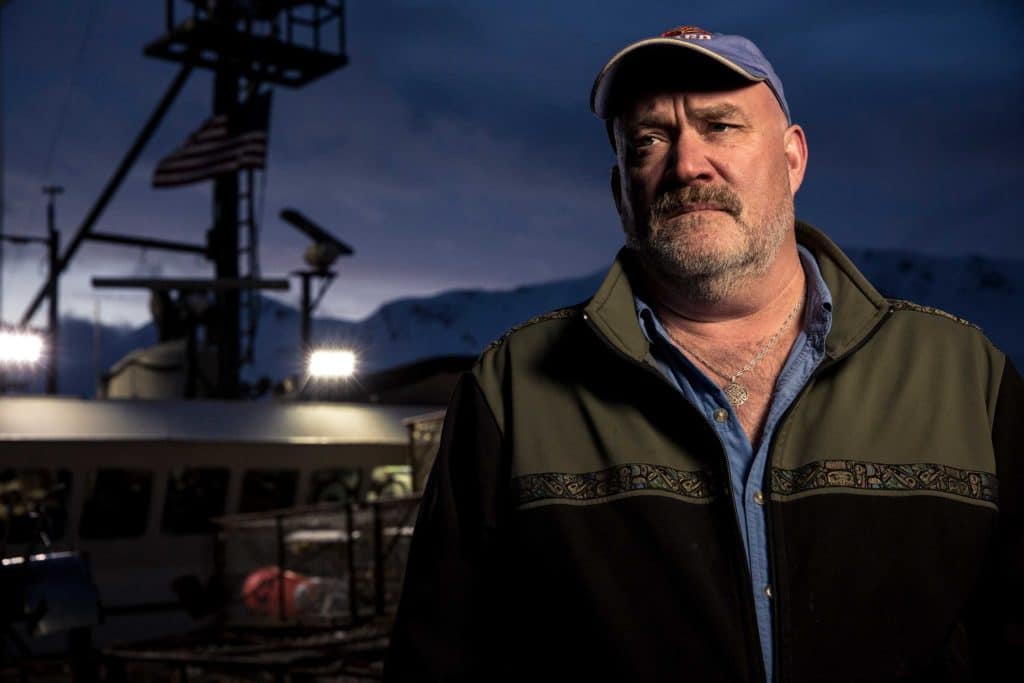
For the captains of the boats, such as Jake Anderson and Josh Harris, the earnings can be astronomical, but these numbers are often tied to exceptionally good seasons. Jake Anderson, in a 2018 interview with Fox Business, shared that during a standout season, he grossed an impressive $2.5 million in just 11 days of fishing. This is an extreme example, but it shows the potential rewards of the job when conditions align. Josh Harris, another fan-favorite captain, revealed that in good years, captains can make as much as $2 million in just two days of fishing, provided the catch is substantial.
However, these million-dollar earnings are not the norm. Most captains on Deadliest Catch make somewhere between $200,000 and $500,000 per season, depending on the success of the season and how much they catch. Plus, it’s important to note that the stars of the show earn additional income from their appearances on the series. According to Monsters & Critics, captains typically make between $25,000 and $50,000 per episode, with the amount varying based on their role and prominence in the show.
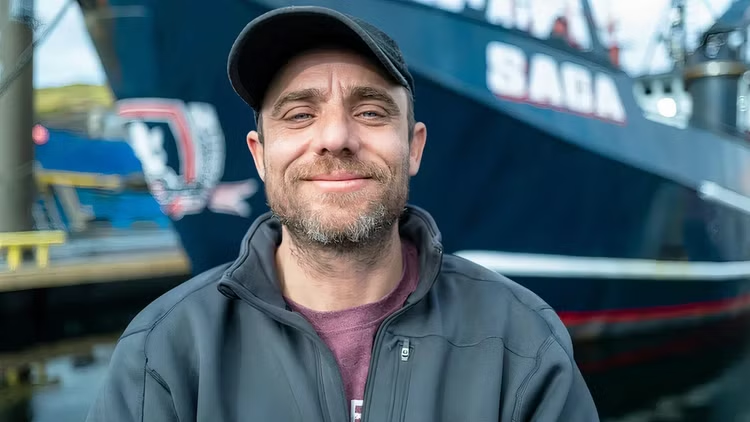
While these figures are eye-popping, they come with significant risks. Crab fishing is, after all, one of the most dangerous professions in the world, as Deadliest Catch has repeatedly shown. Several stars of the show have faced serious health issues or suffered injuries while out at sea, underscoring the inherent danger of the job. The conditions can be grueling, with crew members spending long hours working in freezing temperatures, high winds, and heavy waves. Additionally, the industry can be highly unreliable, with fishermen sometimes facing long periods of downtime.
“We’ve had king crab season shut down for three, sometimes four years in a row,” said Sig Hansen, one of the most recognized captains on Deadliest Catch, in an interview with Channel Guide. “And when your income relies on getting that boat out there, there is no retirement plan, so to speak. You don’t know from one year to the next if you’re even going to go fishing to make a living.” The uncertainty and risk involved in crab fishing make it a high-stakes endeavor—one where success can bring substantial wealth, but failure or misfortune can result in lost opportunities.
Ultimately, the financial rewards of being a crab fisherman on Deadliest Catch are significant, but they come with a price. The danger, unpredictability, and sheer physical toll of the job are not for everyone, and the payoff is never guaranteed. Still, for those who choose this perilous career, the potential to make a living from the sea remains a strong lure.
