
Being a crab fisherman on Deadliest Catch is a job unlike any other—fraught with peril, but also potential for significant financial reward. For many of the stars of the show, the salary is based on what they catch during each season, making it a high-stakes profession where hard work can pay off in a big way. But as is often the case with high-risk industries, the rewards are never guaranteed, and the dangers are always lurking.
High Rewards, High Risks
The salaries for crab fishermen vary significantly year to year, depending largely on how successful the season is. “We don’t get paid a wage or a salary. We get paid on what we catch and what we deliver,” explained Captain Kenny Ripka in a 2016 interview with People. He noted that his income fluctuates depending on the success of his catches, with some years netting him upwards of $150,000 to $170,000. While captains like Ripka can earn substantial sums, the crew working under them can still earn a healthy paycheck. Deckhands typically earn anywhere from $15,000 to $50,000 for a couple of months’ worth of grueling labor on a boat, depending on the amount of crab they haul in.
Gary Ripka, Kenny’s brother, weighed in on his own experience as a captain, noting that in 2016, his deckhands made around $30,000 for a fishing stint lasting five or six weeks. While these numbers might sound appealing, it’s important to note that these are not guaranteed earnings, and can be wildly inconsistent from year to year based on the catch, the price of crab, and even the unpredictability of the fishing industry itself.

The Big Payday
Though the earnings are unpredictable, there are seasons where captains see massive paydays. Jake Anderson, another star of Deadliest Catch, shared his staggering earnings during a particularly lucrative season. In a 2018 interview with Fox Business, Anderson revealed that he “grossed $2.5 million in 11 days” during a successful run. But while such extreme profits are not the norm, it does highlight how profitable a good season can be for some fishermen.
Josh Harris, another Deadliest Catch captain, offered insight into just how lucrative fishing can get for the right haul. According to Harris, captains can make up to $2 million in just two days if the catch is good. But despite these exceptional stories of success, the reality is that raking in millions is rare, and even the most successful seasons may not always bring in such high numbers.
Show Paychecks
On top of their earnings from fishing, many of the stars of Deadliest Catch also receive a paycheck for their work on the show itself. According to Monsters & Critics, the captains earn between $25,000 and $50,000 per episode. This additional income from appearing on the Discovery Channel series provides them with more financial stability, though it doesn’t fully alleviate the financial uncertainty tied to the fishing industry.
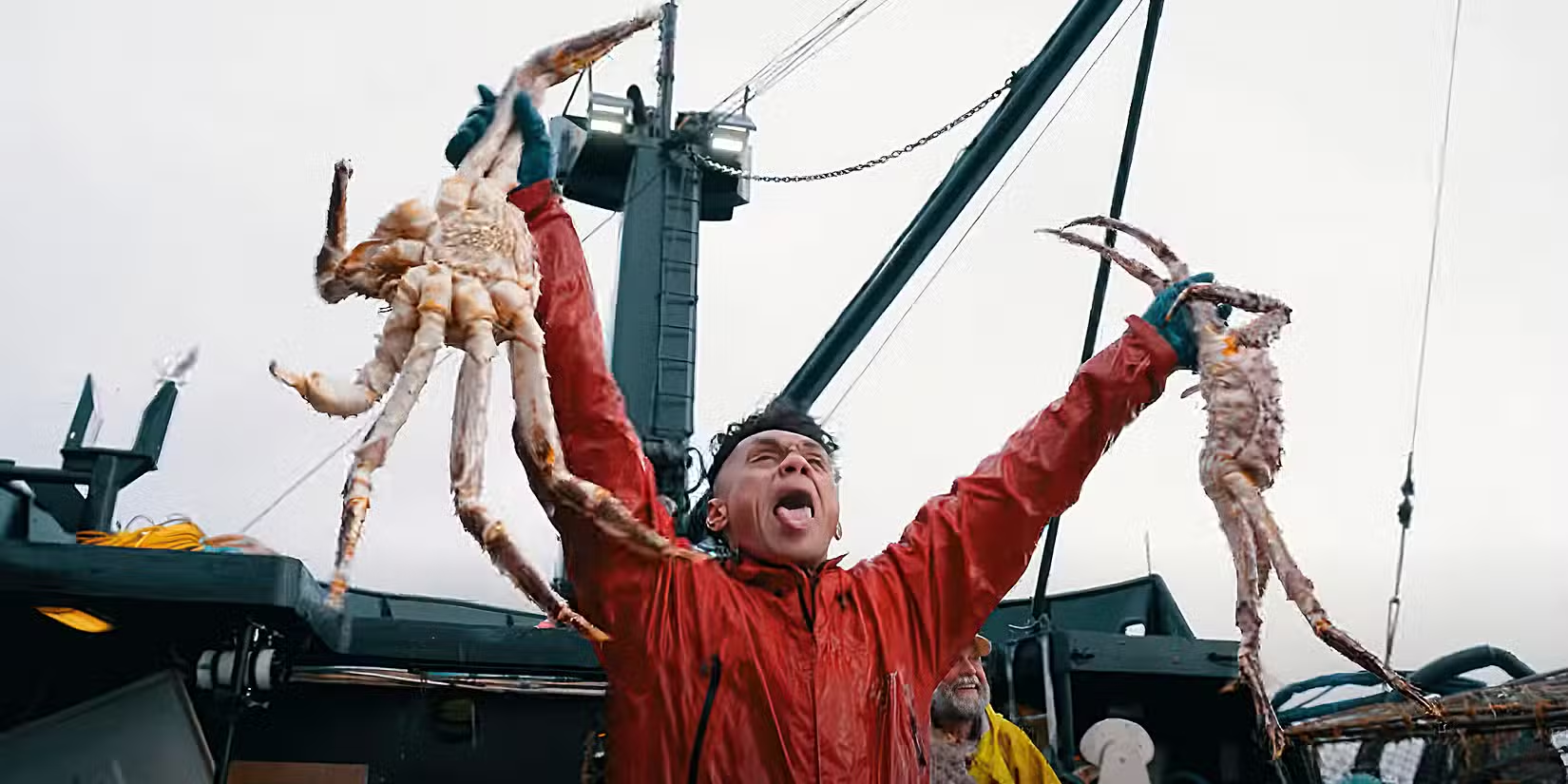
A Dangerous Job
Despite the potential for hefty paydays, the life of a crab fisherman is not an easy or safe one. Crab fishing, especially in the dangerous Alaskan waters where Deadliest Catch is filmed, has long been known as one of the most perilous jobs in the world. The job demands physical endurance and mental fortitude, and even the most experienced fishermen face serious health and safety risks while out at sea.
Several of the Deadliest Catch stars have suffered injuries or medical issues while fishing. Sig Hansen, one of the show’s longest-running captains, has been open about the risks of the job, stating, “We’ve had king crab season shut down for three, sometimes four years in a row.” This kind of uncertainty makes it difficult for fishermen to rely on a steady income, as the fishing seasons can be canceled due to weather, fluctuating market prices, or environmental factors.
Hansen also pointed out the lack of a retirement plan for those in the crab fishing industry. “When your income relies on getting that boat out there, there is no retirement plan, so to speak,” he told Channel Guide. “You don’t know from one year to the next if you’re even going to go fishing to make a living.” The unpredictability of the industry, combined with its inherent dangers, means that even the most seasoned fishermen can find themselves out of work for long stretches of time.
