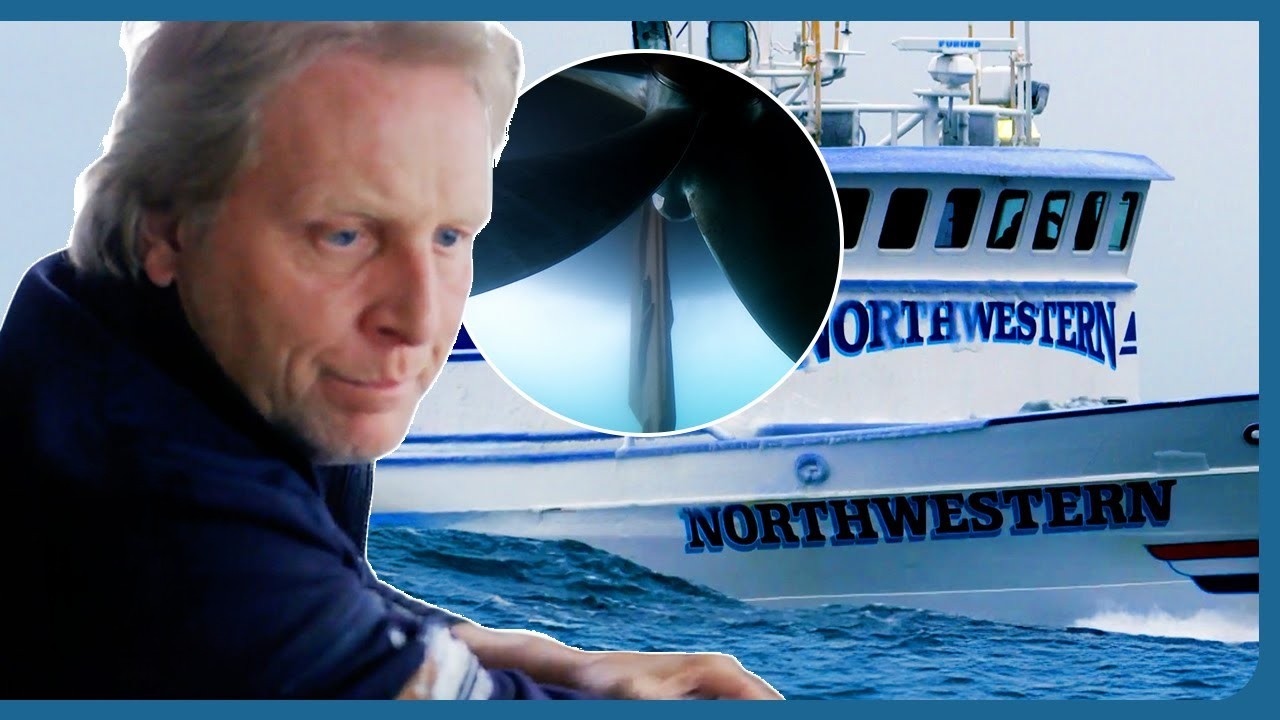
A mechanical failure in worsening seas put the crew of the F/V Northwestern in a precarious position this week on Deadliest Catch, as they raced to complete a productive string ahead of an offload.
With tanks needing to be filled and weather deteriorating, the vessel had already endured equipment concerns earlier in the season. As the crew hauled their first pot of the set, optimism briefly returned. The pot surfaced heavy, delivering a solid count of approximately 300 crab — an encouraging sign that their decision to fish the eastern gear was paying off.
Moments later, however, the mood shifted abruptly.
Sudden Loss of Power
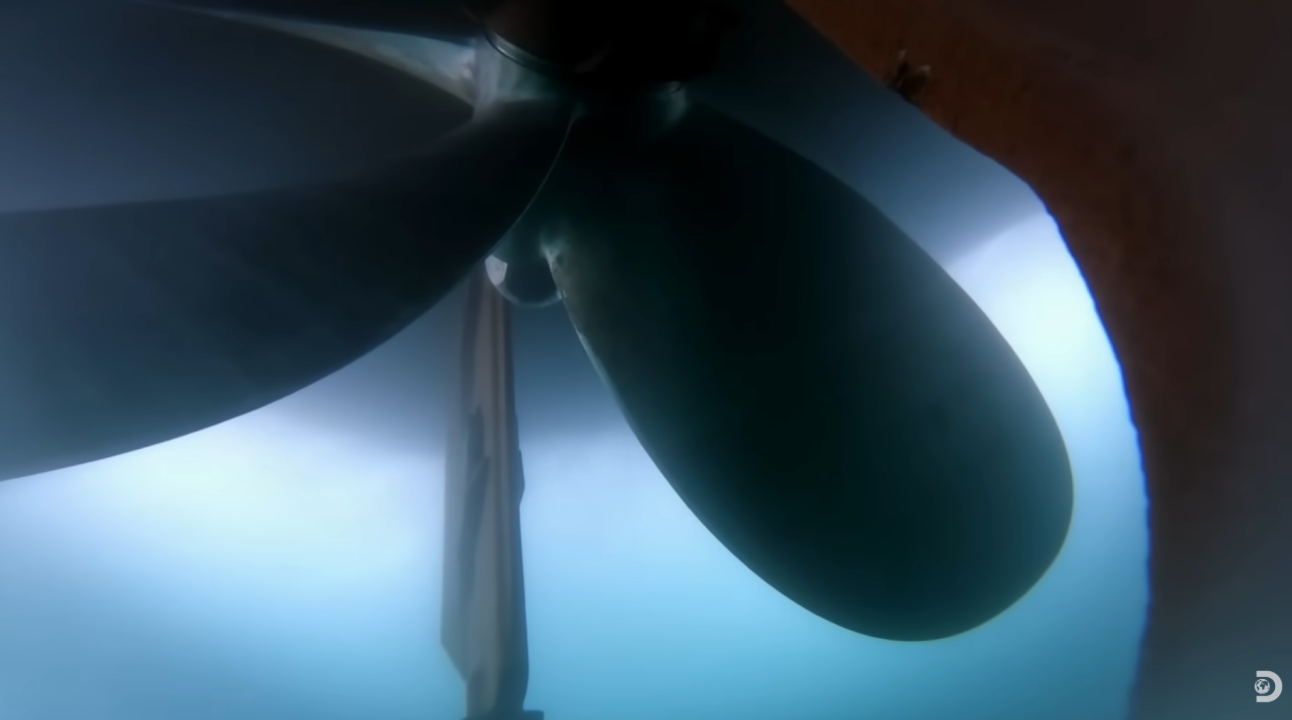
While setting up for the next pot, the Northwestern’s main engine lost fuel pressure, leaving the boat drifting in heavy swell. With waves striking the hull and limited maneuverability, the risk escalated quickly.
Captain and crew immediately diagnosed the likely cause: clogged main engine fuel filters. These filters prevent water and debris from entering the engine and are essential for maintaining fuel pressure. In rough seas, any contamination can rapidly trigger shutdown.
Under time pressure and unable to perform a full drainage procedure, the engineers executed a rapid filter swap. Normally, fuel would be carefully drained and inspected, but the conditions demanded immediate action.
Within minutes, the main engine roared back to life.
“It’s nice to have some power back,” one crew member remarked as control of the vessel was restored.
Back to Work Under Pressure
With propulsion regained, the Northwestern resumed hauling. Subsequent pots delivered even stronger numbers, including one count approaching 350 crab — precisely the volume needed to push the tanks toward capacity before offload.
Despite the successful recovery, the incident underscored the razor-thin margins of Bering Sea fishing. In heavy weather, engine reliability is not simply about productivity — it is about safety.
The crew continued operations while monitoring fuel pressure closely, aware that another failure could force a premature return to port.
For now, the tanks are filling and the trip remains viable. But as conditions continue to deteriorate, the Northwestern’s crew knows that in the crab fishery, mechanical stability can be as valuable as the catch itself.
