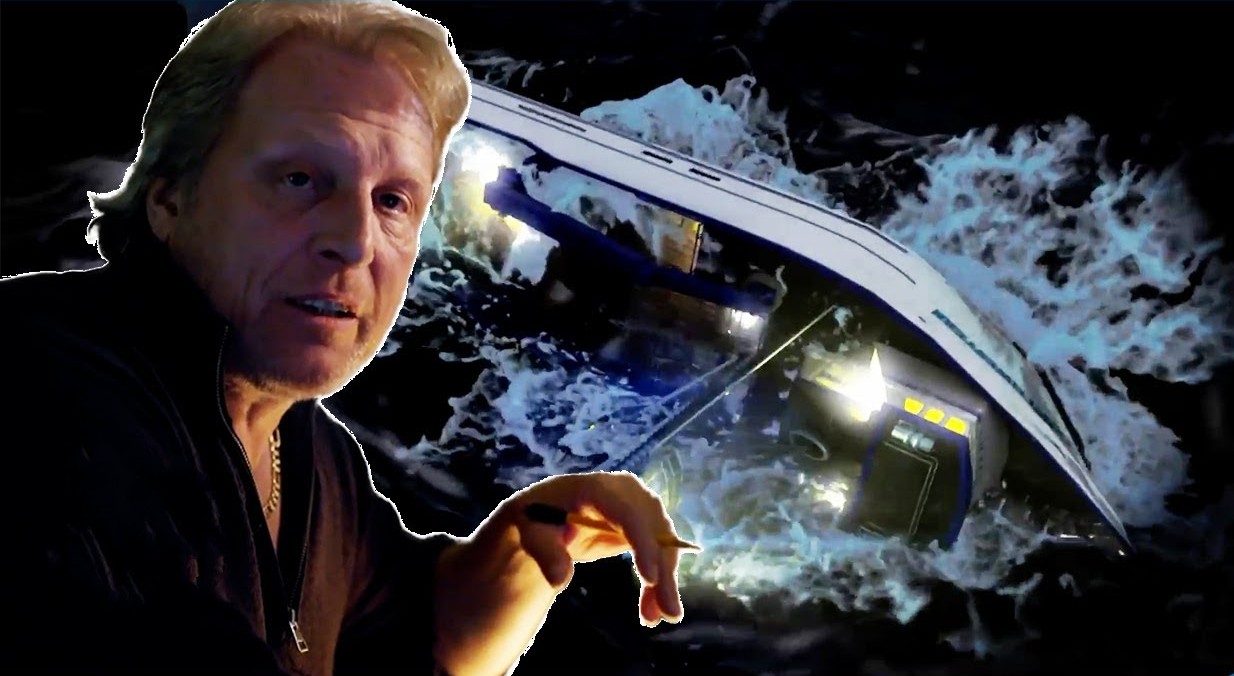
Dutch Harbor, Alaska — For nearly two decades, Deadliest Catch has brought the perilous world of Bering Sea crab fishing into living rooms worldwide. Since its debut on the Discovery Channel in 2005, the reality series has built a loyal audience by showcasing the dangers, triumphs, and rivalries of America’s most hazardous profession.
Among the show’s most enduring figures is Captain Sig Hansen of the FV Northwestern, who recently admitted that pride, mistakes, and tragedy have defined as much of his career as success.
A Reality Show That Became a Global Phenomenon
Deadliest Catch premiered on April 12, 2005, documenting the brutal Alaskan king and snow crab seasons. With crews working out of Dutch Harbor in the Aleutian Islands, the show offered raw portrayals of life at sea: swinging 900-pound crab pots, decks slick with ice, and gales strong enough to sweep men overboard.
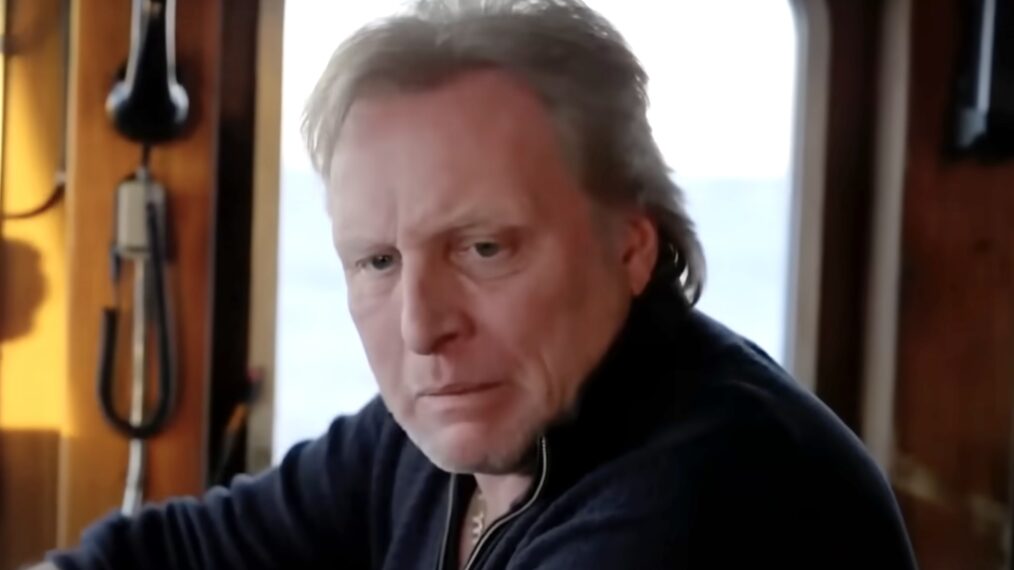
The series quickly gained traction, drawing millions of viewers across the globe. Discovery expanded its coverage to include behind-the-scenes specials like After the Catch and focused storylines on rivalries between captains, family ties, and the relentless pressure of the crab quotas.
By season three, Deadliest Catch was one of cable’s most-watched programs, praised for balancing reality TV drama with documentary grit.
Sig Hansen: Ego and Regret at Sea
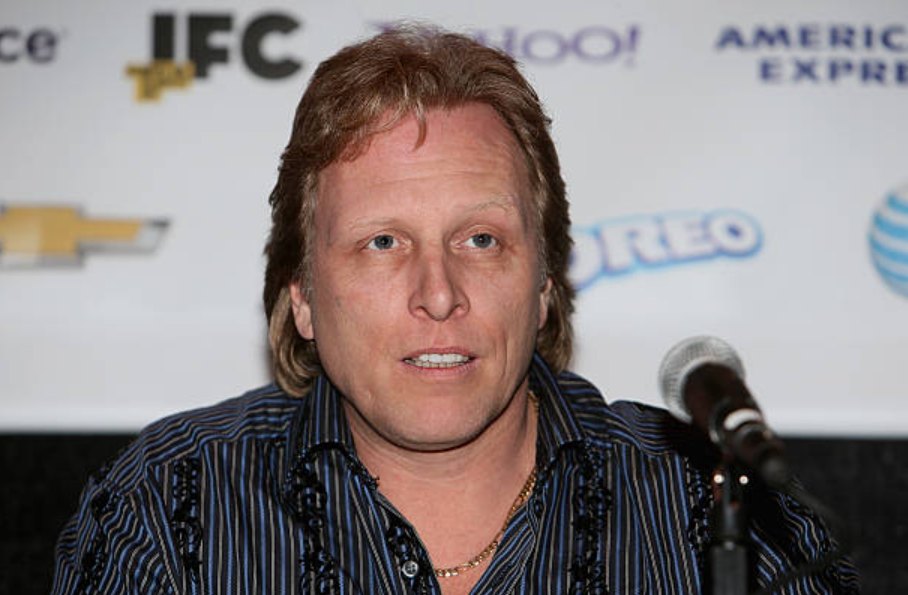
Now 59, Captain Hansen remains candid about the toll of decades in the industry. Speaking with Fox News Digital, Hansen admitted to “ego-driven” decisions that nearly cost lives.
“Well, it was the icing down that was ego-driven,” Hansen recalled. “When you care more about your ego than your common sense — like when you want to make more money and push through anyway — it’s not a good thing.”
The Northwestern captain has faced health scares himself, including a heart attack at sea, and now admits he might have “done better to hang up the spurs a long time ago.” Still, he insists the greatest relief is that his crew has remained safe: “We haven’t lost anyone, and everyone is fine — which is good.”
A Near-Tragedy in His Early Years
Hansen also revealed an incident from his twenties that still haunts him. After a storm, he spotted a rogue wave approaching but failed to sound the alarm. The result: a deckhand was thrown across the vessel and seriously injured his back.
“That happened when I was about 27 or 28 years old,” Hansen said. “I saw the wave coming, but forgot to set off the alarm to let him know. He really hurt his back when it hit him. It’s something I’ll never forget.”
The Broader Legacy of Deadliest Catch
The series has not shied away from tragedy. Viewers watched the 2005 sinking of the FV Big Valley, the loss of the FV Ocean Challenger in 2006, and the 2010 death of Captain Phil Harris of the FV Cornelia Marie after a stroke — a moment that became one of the most emotional chapters in reality TV history.
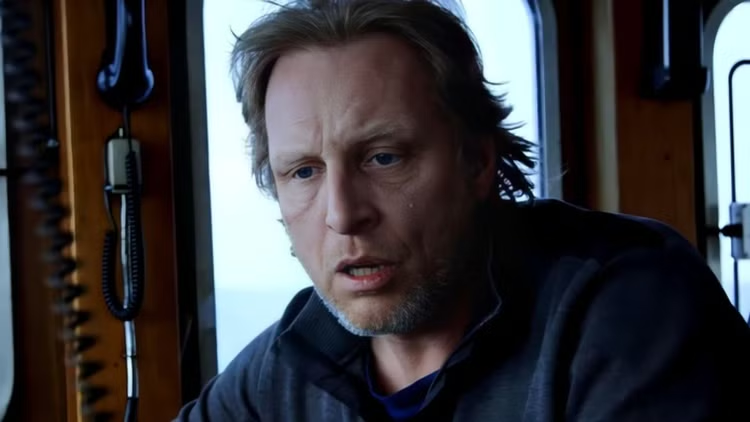
Despite its risks, Deadliest Catch remains a staple for Discovery, combining the grit of dangerous work with the human stories behind it. With more than 300 deaths per 100,000 Alaskan king crab fishermen reported over the years, the show is both a reminder of the sea’s brutality and a tribute to those who endure it.
What’s Next for Sig Hansen
As Deadliest Catch approaches its 20th year, Hansen’s honesty underscores the thin line between survival and catastrophe on the Bering Sea. While his regrets remain, his voice continues to anchor the fleet — a living reminder that even the most seasoned captains are only human.
“In this job, there’s always that one bad season,” Hansen reflected. “You make mistakes, you regret them, but you get lucky if you live to tell the story.”
