
Deadliest Catch has never hidden the realities of winter crab fishing, but this episode delivers one of the clearest reminders yet of how quickly routine work can spiral into a test of endurance, judgement and survival.
Two weeks into the winter season, vessels are operating roughly 250 miles northwest of Dutch Harbor when forecasts confirm a vast cyclonic low-pressure system stretching more than 1,600 miles. With winds pushing past 45mph and seas climbing toward 25 feet, captains across the fleet face a familiar calculation: keep fishing and risk everything, or retreat and lose valuable time.
Aboard the Time Bandit, the mood is tense but determined. Early hauls produce disappointing numbers, heightening pressure to relocate quickly before the storm fully arrives. As conditions worsen, safety becomes the crew’s overriding concern. Loose pots, ice-covered decks and heavy seas force repeated warnings to stay off deck and clear of the rails.
The danger escalates when a generator abruptly shuts down during a haul, plunging the wheelhouse into darkness just as a pot swings toward the windows. For a moment, steering and power are compromised, leaving the vessel vulnerable to the swell. Although systems are restored, the incident rattles the crew and underscores how little margin for error exists in these conditions.
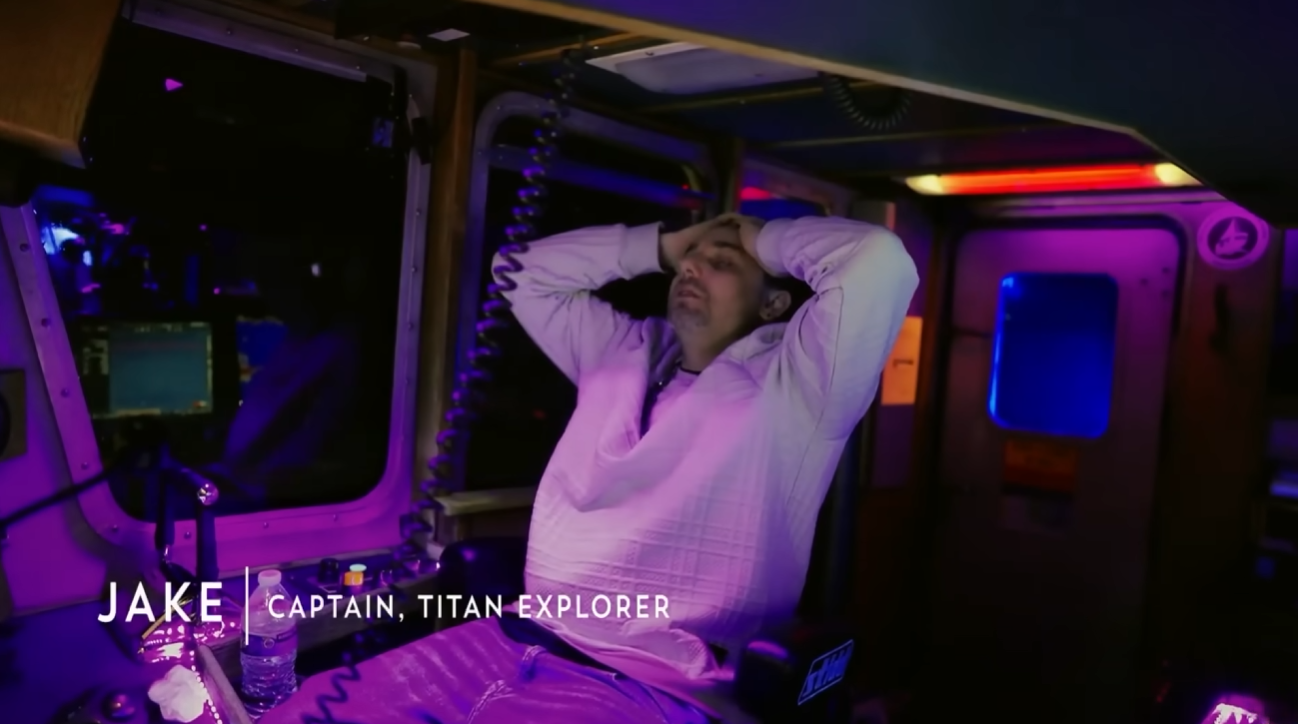
On the Titan Explorer, the storm exacts an even heavier toll. While attempting to haul gear in rising seas, a powerful wave strikes the deck, injuring deckhand Rolando Miramontes. Despite visible pain, the crew continues working, balancing immediate medical concerns with the reality that stopping entirely could place everyone at greater risk. Temporary repairs are made to damaged gear as hauling resumes under extreme conditions.
Later, steering issues compound the crisis. Debris lodged near the rudder forces the vessel into an uncontrolled turn, prompting urgent work in the engine room while the boat rolls heavily in the swell. The problem is eventually cleared, restoring control, but only after several tense minutes that highlight the vulnerability of even the most robust vessels.
As the storm tightens its grip, attention shifts to Dutch Harbor, where offloading delays could prove costly. With holds filled and weather closing in, captains race toward the dock, knowing that being second in line could mean days trapped in port or, worse, being forced back into the storm.
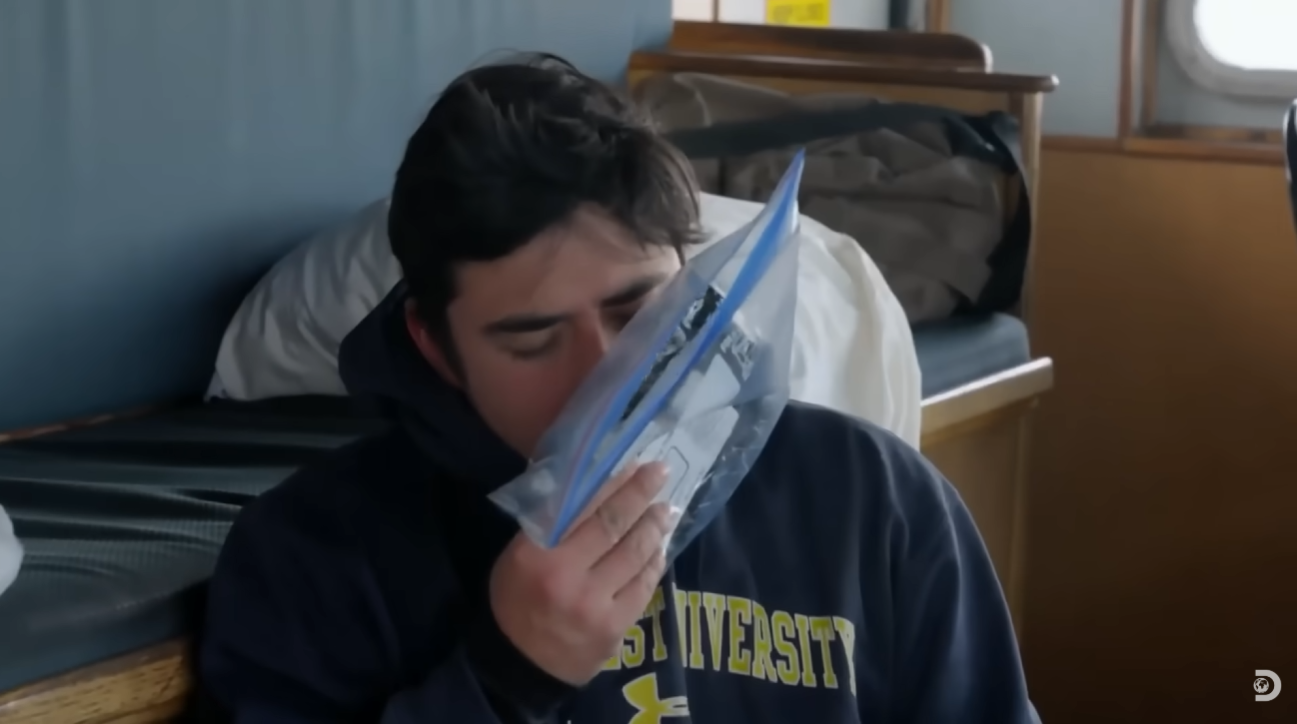
The competition intensifies when multiple boats converge on the red buoy marking the harbour entrance. Crews scramble to lighten loads by dumping ice overboard, shaving precious minutes from transit times. In the end, one vessel secures priority access, buying a narrow window to offload before conditions deteriorate further.
For captains, the relief is tempered. Offloading may be complete, but forecasts suggest the storm is far from finished, raising the likelihood of extended delays before boats can safely return to fishing grounds.
The episode captures the defining tension of Deadliest Catch: the constant push between productivity and preservation. Mechanical failures, injuries and fierce weather are not dramatic additions but routine risks, managed through experience, teamwork and difficult decisions made under pressure.
As the fleet ties up in Dutch Harbor, one truth remains unchanged. On the Bering Sea, success is measured not only in crab counts, but in whether crews and vessels make it through the storm intact, ready to face whatever comes next.
