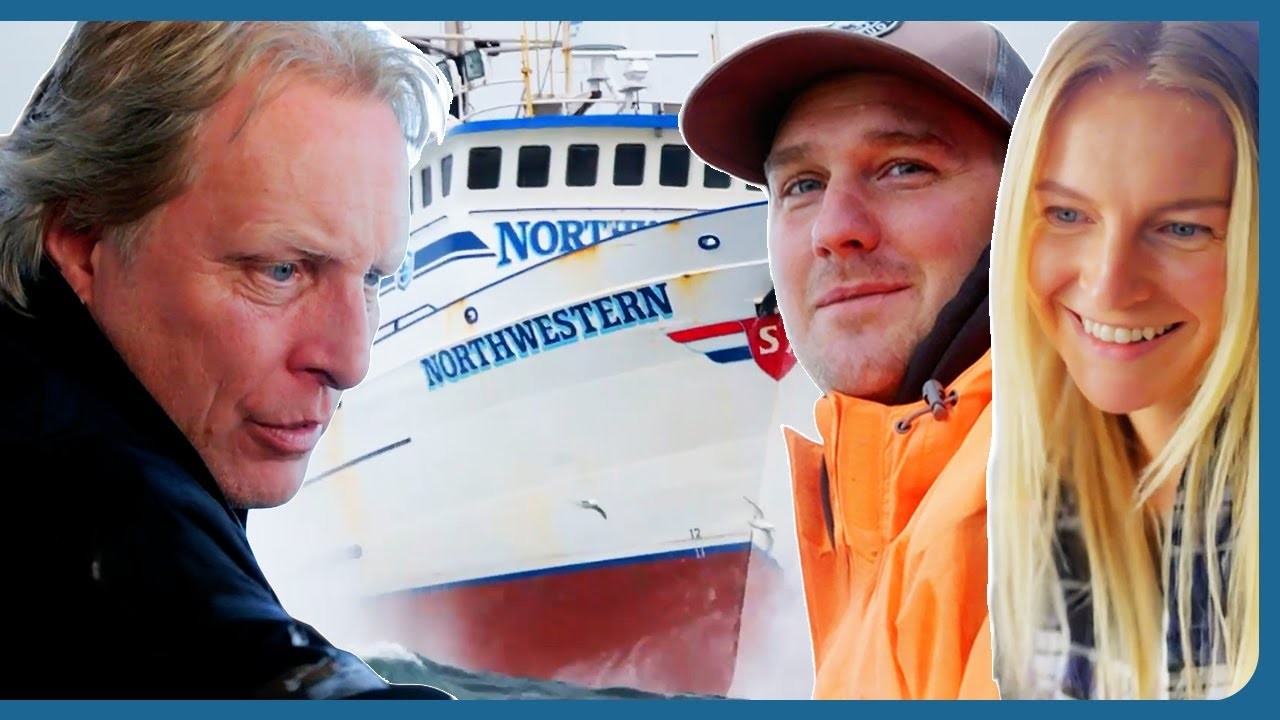
The unforgiving waters of the Bering Sea once again tested the captains and crews of Deadliest Catch, as mechanical failures, medical emergencies and dockside disputes converged at the height of the winter fisheries.
A Fall Overboard and a Family Scare
Aboard the Northwestern, Captain Sig Hansen made the unusual decision to begin setting pots closer to port rather than heading 100 miles north to traditional grounds. The reason was deeply personal: concerns over his daughter Mandy’s pregnancy.
As the crew launched gear, a routine maneuver turned dangerous when deckhand Clark slipped and went overboard. Within seconds, crew members scrambled to haul him back using a sling.
Though shaken, Clark escaped serious injury. “It happens so fast,” Sig later reflected, visibly rattled by the near-miss.
Shortly after, Mandy received medical results confirming a subchorionic hemorrhage — a complication that can cause bleeding during pregnancy. Doctors reassured her that the baby was stable, provided she took it easy. The news brought relief, but underscored the emotional strain already hanging over the season.
Fuel Dock Confrontation
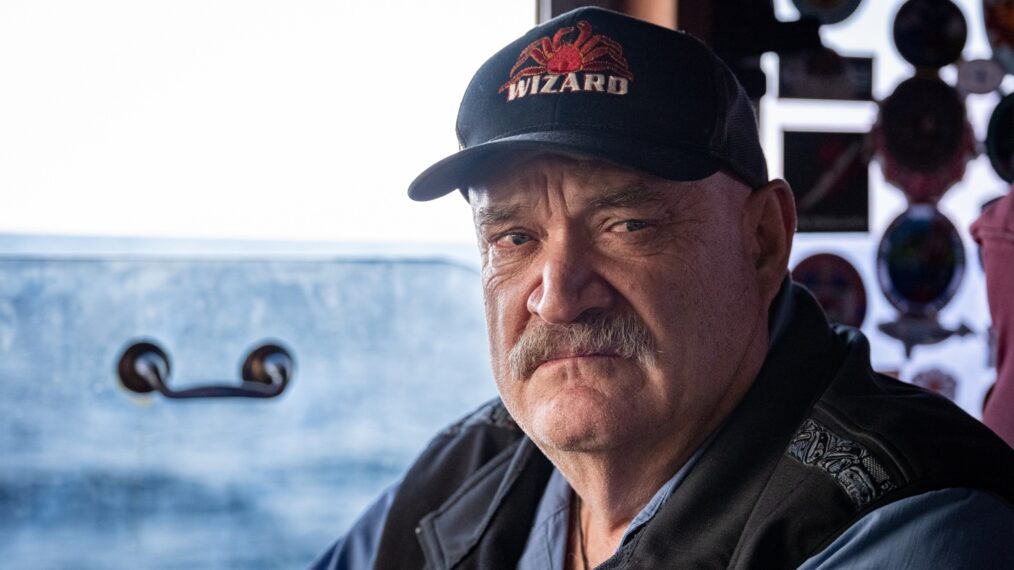
Back in Dutch Harbor, tensions flared between the Northwestern and the Wizard, captained by Keith Colburn.
With only 72 hours before departure and thousands of pounds of quota to catch, Mandy sought to fuel up. The Wizard, however, remained tied to the dock for repairs.
A heated exchange followed over dock access. When Keith left the vessel unattended, Mandy made a bold call — temporarily shifting the Wizard to gain access to the fuel dock. The maneuver, executed under pressure, drew visible frustration from Keith but allowed the Northwestern to refuel and depart on schedule.
The incident highlighted the razor-thin margins of derby-style fisheries, where timing can mean the difference between profit and loss.
Derby Deadlines and High Stakes
With processors preparing to close their doors and fuel costs burning through margins at roughly 1,000 gallons per day, every decision carried weight.
Sig and Mandy targeted aggressive pot averages to push their season into profitability. Meanwhile, other captains faced their own challenges.
Captain Jake Anderson sought to expand his quota holdings, requiring $100,000 in cash to secure additional crab shares. Expansion, he noted, is about legacy — ownership of quota that can pass down through generations.
Yet even seasoned operators are not immune to mishap. Jake briefly snagged gear in his wheel before revealing the moment as a lighthearted prank, hoisting a pirate flag in a playful ambush of Sig. The levity provided a rare break in an otherwise tense week.
Technology Gains and Losses
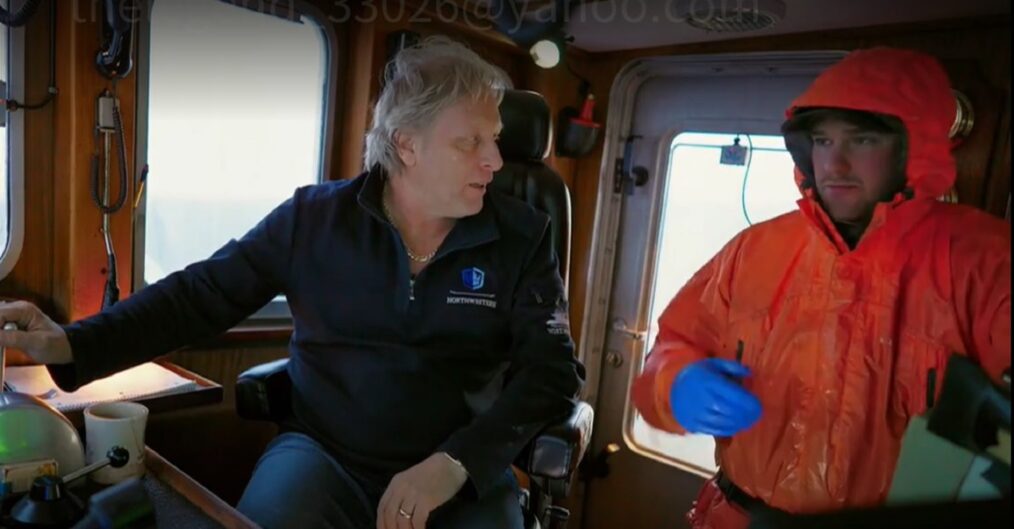
On the grounds, Sig hunted for a long-forgotten “honey hole” — a productive depression in the seabed identified years earlier. An aging onboard computer briefly revived crucial coordinates before failing entirely. Modern technology ultimately saved the day when the location was retrieved via smartphone.
Once reset on the mark, the Northwestern saw encouraging numbers, including a 70-crab haul within 20 hours — a sign that experience and persistence still pay dividends.
Injury Strikes Again
Further west, deteriorating weather forced captains to abandon planned sets. Ice accumulation and heavy seas compounded risks.
Back on the Northwestern, another incident unfolded when Clark accidentally drove a bait knife through his hand while cutting cod. The injury raised concerns about infection and potential long-term damage.

Medical consultation was sought immediately, and the decision was made to return him to port for treatment. “That’s not just a crew member — that’s my son-in-law,” Sig remarked, revealing the complex overlap of family and business aboard the vessel.
The Cost of the Sea
Across the fleet, the pattern remained constant: blank pots, shifting weather systems and relentless operational costs. Every extra day at sea meant more fuel burned, more bait consumed and greater financial exposure.
From near-drownings to mechanical breakdowns and dockside disputes, the week underscored a truth veteran captains know well: success in the Bering Sea demands adaptability as much as endurance.
As quotas narrow and processors set hard deadlines, the fleet pushes forward — chasing crab, cod and opportunity in waters that rarely forgive mistakes.
