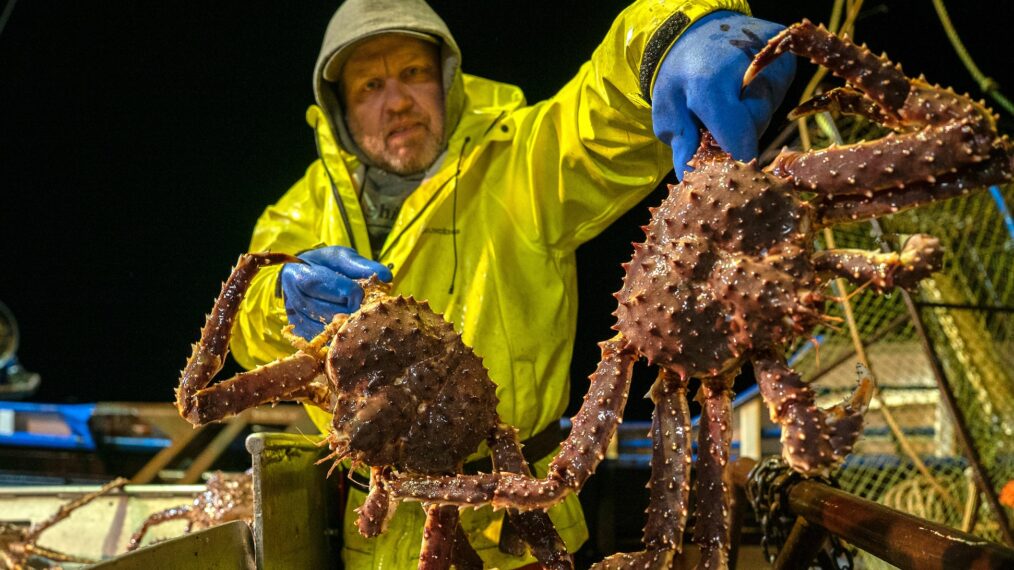
There is likely no doubt in anyone’s mind that Deadliest Catch is by far the most dangerous show on television. At least that’s what they make it appear to be. For 20 years, Deadliest Catch has been the Discovery Channel’s premier program that captures the lives of fishermen in the Bering Sea. Putting their lives at risk to haul Alaskan king crab, the long-running series has pushed the envelope as to how danger can be portrayed.
The fishing fleet and the various crews put their lives at risk not only for their careers, but to make invigorating television. With Season 21 on the horizon, fans should expect much of the same high-tension drama with the franchise highlighting the dangers on deck. Between swinging pots, treacherous conditions, and the potential of injury when you least expect it, there’s no way that the next season will be void of danger, right?

Deadliest Catch Thrives on Danger
Deadliest Catch is best known for the relentless and unforgiving demands of crab fishing. The fearless men and women put their lives on the line knowing that the kiss of death could stalk them on any given journey. When it comes to Alaskan crab fishing, there is almost certain to there will be fatalities during a crabbing season. But, on the off chance they have a fatality-free year, it’s something to rejoice about. There have even been times when the Pacific Coast states had more fatalities than the Alaskan fishing industry. With so many possibilities for death and injury, viewers have that slight schadenfreude of yearning to see something dramatic happen on screen. And yet, as safety protocols have improved, the chance of danger wanes. So does that make viewers less likely to want to tune in? Not a chance.
Because fishing derbies are almost a thing of the past, with the exception of last season, it is less likely that a scramble will cause permanent damage to a vessel or human. With quota-share being a thing of the sea, some captains are likely to buy up others’ quotas, allowing fewer ships on the sea. Vessels are no longer overloaded, now carrying fewer traps, helping to avoid capsizing. Even with a limited fishing window, traps are pulled at longer intervals. It’s still a dangerous job, but it’s becoming safer for all involved.
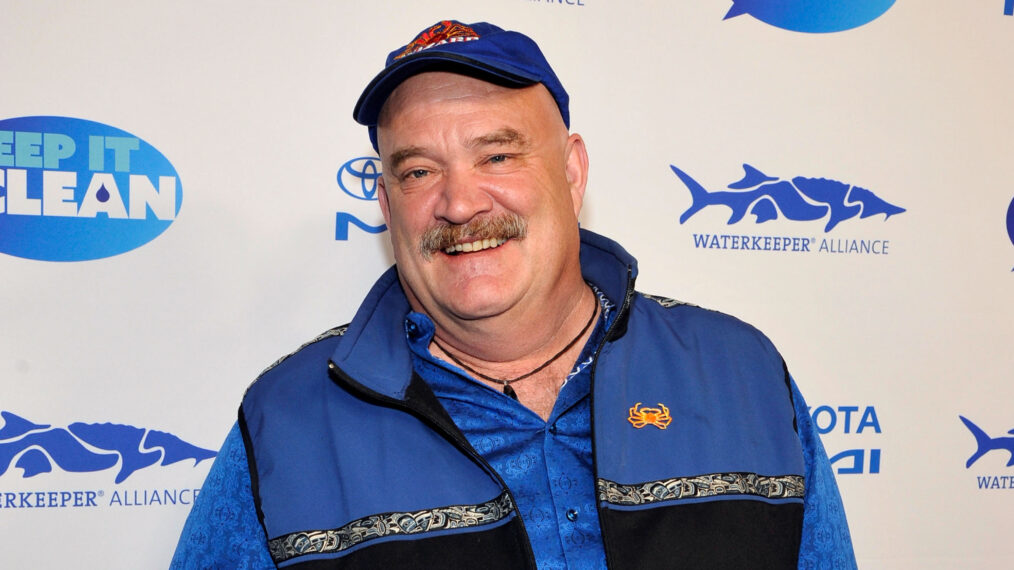
But there’s one thing that regulations cannot fix, and that’s the elements. Ice will build up on the deck. Howling winds and crushing waves are bound to hit. That helps keep the danger alive on the show. “One thing the audience may not understand, and one of the real dangers is usually if something bad is going to happen, it’s going to happen right off the bat,” Captain Sig Hansen shared with Tim Estiloz. For every major injury seen on screen, a promising ending results. We’re not going to call it a happy ending, but nine times out of ten, it’s not going to end tragically.
Why Are We Drawn Toward Danger?
Men and women showcase their true grit in life-or-death situations. The scene is ripe for entertainment. It’s the pinnacle of “dad TV.” We love watching it on shows like Deadliest Catch because we’re watching it from the safety of our couches. It’s a voyeuristic vantage into a world that’s not our own. It’s not our reality, it’s theirs. The adrenaline that emanates through the screen on reality television gives us a slight illusion of how we view scripted television and film. The sensibility that it’s fiction keeps us drawn in because it can’t happen to us. Danger-based shows are like watching horror movies. They’re stranger than fiction. They’re not real, even though we know they are.
Deadliest Catch stimulates our minds in the same way that catching the latest Final Destination sequel stimulates us. It’s so far from our reality that we can separate it in our minds. For those adrenaline junkies, there’s great pleasure in watching and waiting to see if our favorite characters on Deadliest Catch can survive the shocking situations they find themselves in. And, with a production team at the ready, they often can. Yes, when you see someone medically evacuated by helicopter or experience a medical emergency miles and miles away from shore, yes, they are real situations that can happen. However, because we’re not personally affected by it, it keeps our minds safe and eager for more. Psychology is wild, right?
