16 Acres Saved: Fletcher Farm Secured Forever Under New Conservation Easement

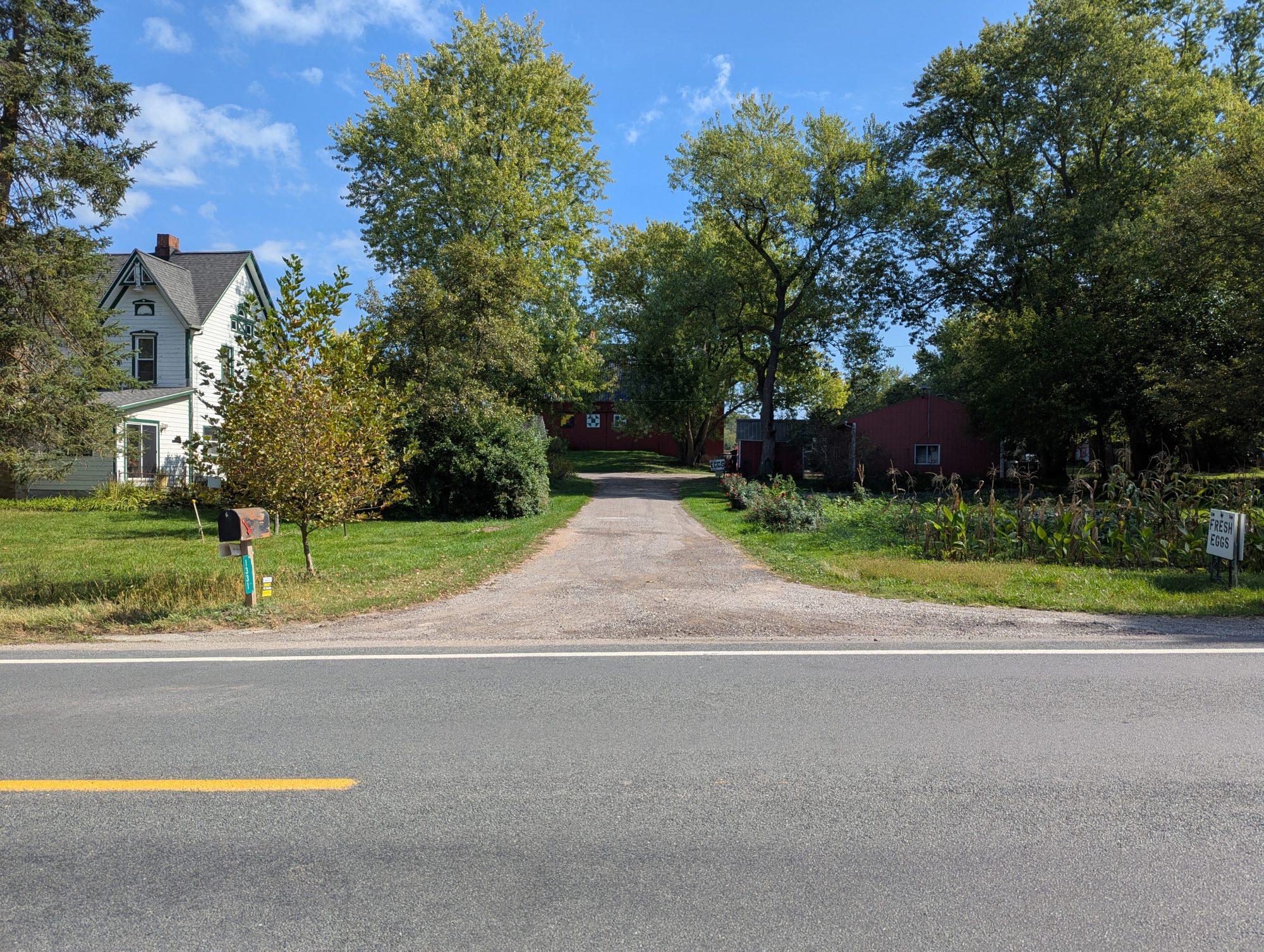
In a significant victory for environmental conservation and agricultural heritage, the Scio Township Land Preservation Program has successfully finalized the purchase of a conservation easement on a cherished 16-acre property owned by Carol Fletcher. This move not only protects a slice of Michigan’s rural legacy but also underscores the community’s ongoing commitment to balancing growth with the preservation of natural and historical resources. Located on the east side of Zeeb Road, just north of Scio Church Road, the property encompasses prime agricultural land, complete with a historic house and barn that hark back to the area’s farming roots.
The Fletcher farm, as it’s affectionately known, represents more than just acreage—it’s a living testament to family dedication and the enduring appeal of rural life. Carol Fletcher and her late husband, Robert (fondly called “Fletch”), acquired the farm back in 1978. At the time, their decision was driven by a simple yet heartfelt desire: their children were passionate about horseback riding and yearned for a space to keep their own horses. Both Carol and Fletch had fond childhood memories of farm life, having spent time on similar properties during their youth. These experiences instilled in them a deep appreciation for the land, making the purchase a natural extension of their family’s values.
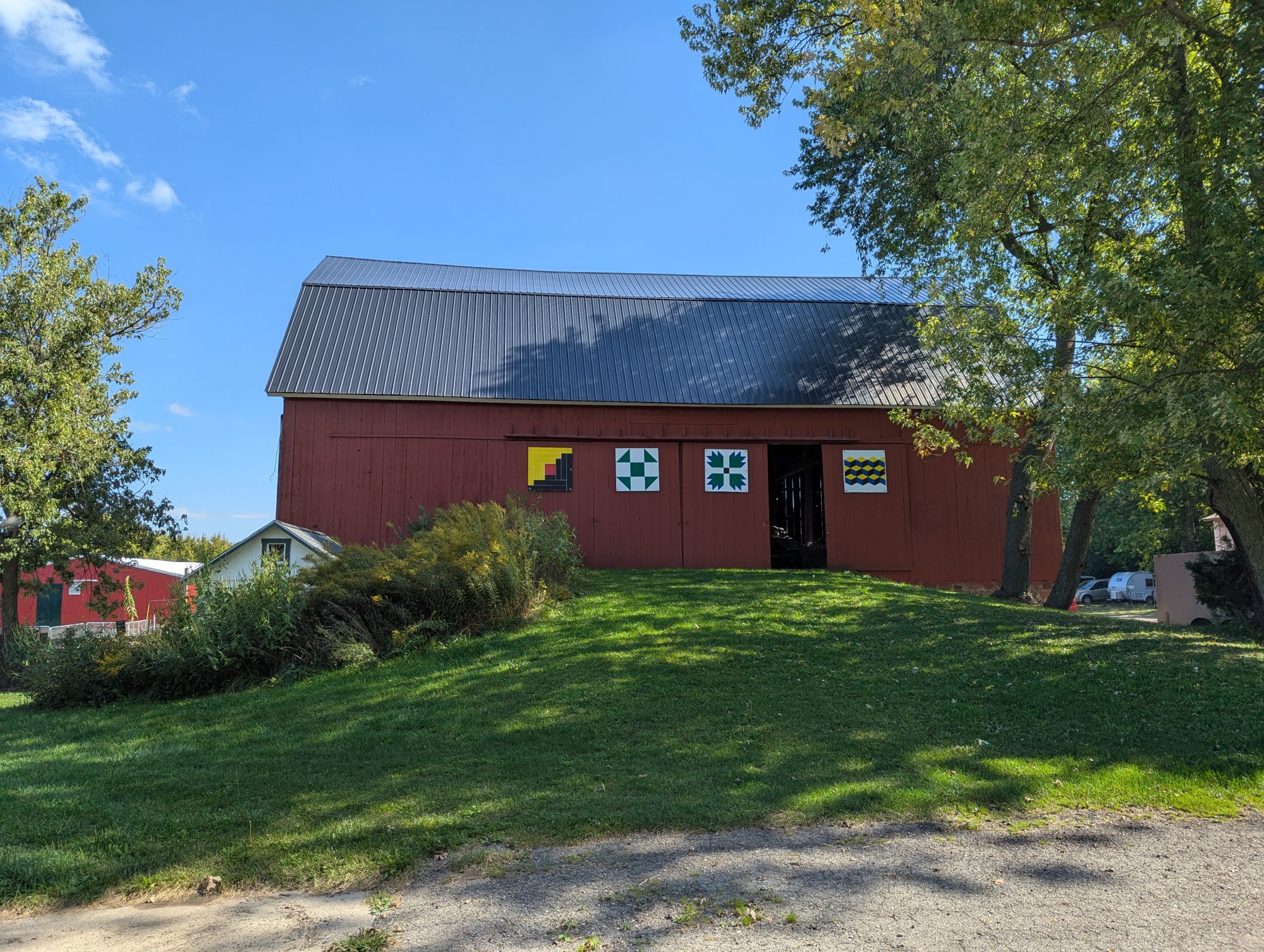
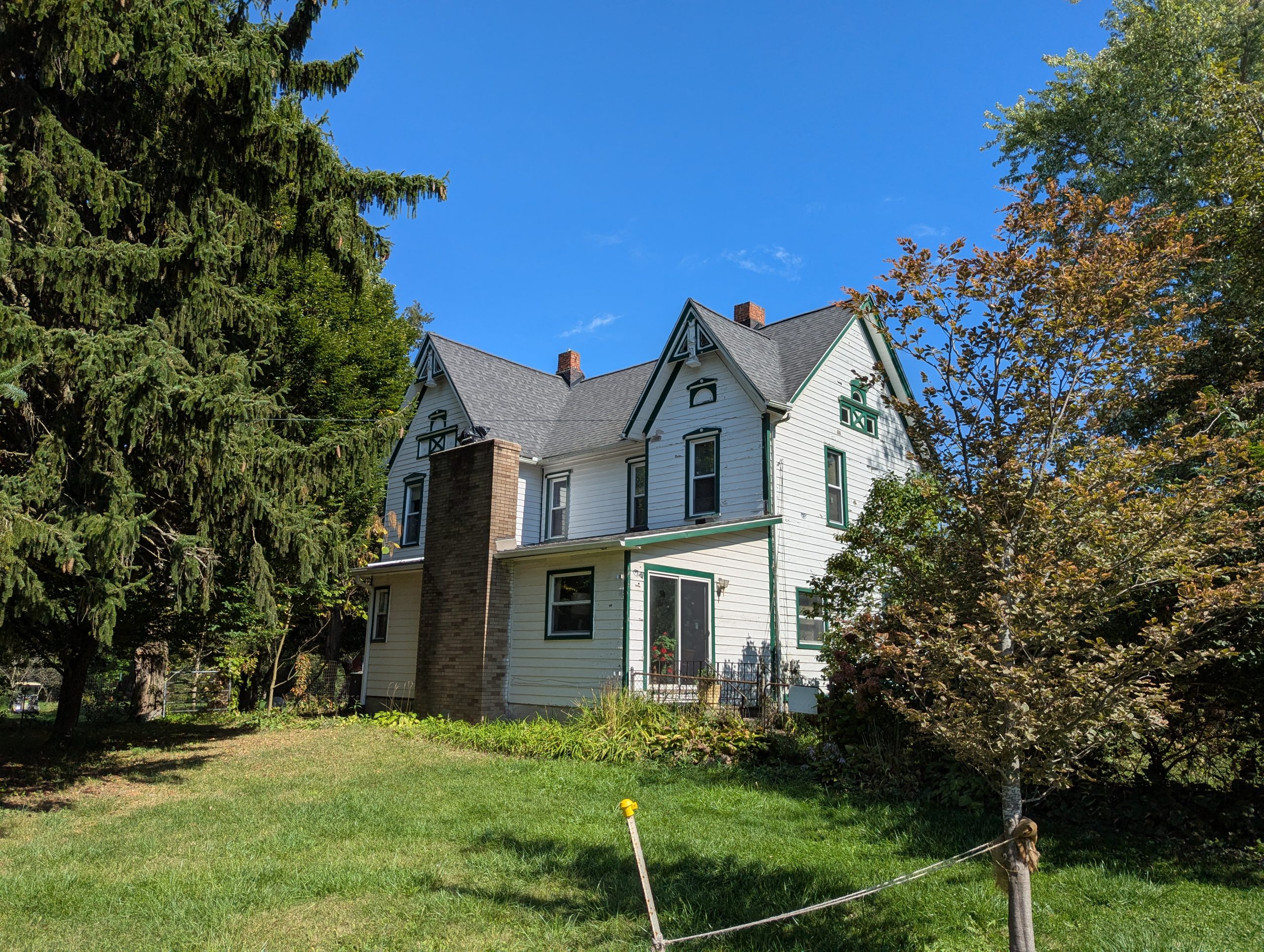
What makes this property particularly special is its historical lineage. The Fletchers are only the second family to own the farm since its establishment by the Aprill family in the 1800s. When the Fletchers took ownership, it was already recognized as a centennial farm—a designation honoring properties that have remained in agricultural use for over a century. Sadly, the original expanse had been diminished over time; the last Aprill owner had parceled off sections of the land, reducing it to its current size. However, fortune smiled on the remaining portion, as it retained the core elements that define a functional farm: the original house, barns, and various outbuildings. These structures have allowed the property to continue thriving as an agricultural hub, supporting activities like horse keeping and small-scale farming.
Over the decades, Carol and Fletch witnessed with growing concern the rapid disappearance of farmland across the region. Urban sprawl and development pressures have claimed vast tracts of open space, threatening the very fabric of rural communities like Scio Township. Compounding this was the profound emotional bond their children developed with the farm—a place of enduring fondness and family closeness. For Carol, placing a conservation easement on the property emerged as the ideal solution to preserve this “jewel” they had been blessed with. It ensures the land’s integrity while allowing it to remain in private hands, free from the specter of future development.
At its core, a conservation easement is a powerful legal tool—a permanent deed restriction that limits certain uses of the property to safeguard its conservation values. In this case, it prohibits any form of development that could alter the land’s agricultural or natural character. Unlike outright land purchases, acquiring easements is a cost-effective strategy; it requires less financial outlay than buying the property outright, while keeping the land on local tax rolls and contributing to the economy through continued private ownership and use. Importantly, properties under such easements, like the Fletcher farm, are not opened to the public, respecting the privacy of landowners while still delivering broad environmental benefits to the community.
The funding for this easement came entirely from Scio Township’s dedicated land preservation millage, a voter-approved tax levy that has proven instrumental in protecting open spaces. This millage was first passed in 2004 with overwhelming support and has since been renewed twice, each time by substantial margins, reflecting the township residents’ strong endorsement of conservation efforts. Since its inception, the program has leveraged these funds to attract over $12 million in matching contributions from external sources, achieving an impressive ratio of more than $1.50 in outside funding for every dollar from the township. Partners include the City of Ann Arbor’s Greenbelt program, Washtenaw County Parks’ Natural Areas Preservation Program, the federal Agricultural Conservation Easement Program (ACEP), the Michigan Natural Resources Trust Fund, and generous discounts from landowners themselves.
The Scio Township Land Preservation Program, overseen by the Land Preservation Commission (LPC), has a storied history of success. Established shortly after the 2004 millage approval, the LPC comprises dedicated volunteers and township officials who evaluate and prioritize projects. As of early 2024, the program had completed 37 projects, protecting 1,709 acres—45% of which feature vital natural elements like woods, streams, and wetlands. With the addition of the Fletcher farm, the total preserved acreage now stands at 1,735, and several more initiatives are poised to close in the near future. This milestone highlights the program’s efficiency: a remarkable 88% of millage funds have been directed straight to land and easement acquisitions, with administrative costs kept to a minimum at just 12%.
Beyond the numbers, the program’s impact resonates on a human level. By preserving farms like the Fletchers’, Scio Township is not only combating habitat loss and promoting biodiversity but also honoring the cultural heritage of family farming. In an era where development often overshadows tradition, stories like this remind us of the value in protecting our “jewels”—those irreplaceable pieces of land that connect us to our past and secure a sustainable future.
As Carol Fletcher looks ahead, she can rest assured that her family’s legacy will endure. The Fletcher farm will continue to function as it has for generations, a beacon of resilience amid changing landscapes. For Scio Township, this easement is another step toward a greener, more preserved community, thanks to the foresight of its residents and the dedication of its preservation leaders. More projects are on the horizon, promising even greater protections for the natural beauty that defines this corner of Michigan.