
Tony Beets, the Dutch-Canadian mining legend known for his audacious dredging operations on Discovery Channel’s “Gold Rush,” has made a dramatic strategic shift in Season 16. After years of investing millions into massive bucket-line dredges, the “King of the Klondike” has abandoned dredging entirely, opting instead to focus on traditional wash plant operations.
A Million-Dollar Gamble
In a bold move that characterizes his high-stakes approach to mining, Beets recently spent one million dollars on a new wash plant dubbed “Find-A-Lot.” The purchase represents a significant pivot from the dredging operations that defined much of his career on the show. The new wash plant mirrors his existing “Sluice-A-Lot” operation, and Beets’ strategy involves running both plants simultaneously at his River Cut claim to maximize gold production.
The gamble appears to be paying off. In episode 10 of Season 16, the Find-A-Lot produced an impressive 84.86 ounces of gold in just two days of operation. Meanwhile, the Sluice-A-Lot wash plant delivered 124.82 ounces over three days at the same River Cut location, plus an additional 172.44 ounces from the Early Bird Cut site. Combined, the week’s production totaled approximately 1.3 million dollars in gold, effectively allowing Beets to recoup the entire investment in his new wash plant in a matter of days.

The Dredge Dream Dies
Beets’ relationship with bucket-line dredges has been one of the most compelling storylines throughout “Gold Rush.” In Season 5, he purchased the Viking Dredge for one million dollars, followed by a second dredge acquisition in Season 6. These massive floating operations represented a unique approach to Yukon gold mining, capable of processing riverbed material that had been enriched with gold over millennia.
However, the dredging operation faced mounting challenges. By Season 12, Beets encountered significant regulatory hurdles when he struggled to secure water permits for the Indian River, where his dredges operated. Despite having invested an estimated five million dollars in new equipment for the dredging operations, the lack of proper permits effectively grounded his ambitious plans.
The decision to abandon dredging wasn’t made lightly. These massive machines represented not just financial investment but also Beets’ vision of industrial-scale mining in the Klondike. The dredges had become synonymous with his brand on the show, distinguishing him from other miners who relied on conventional excavators and wash plants.
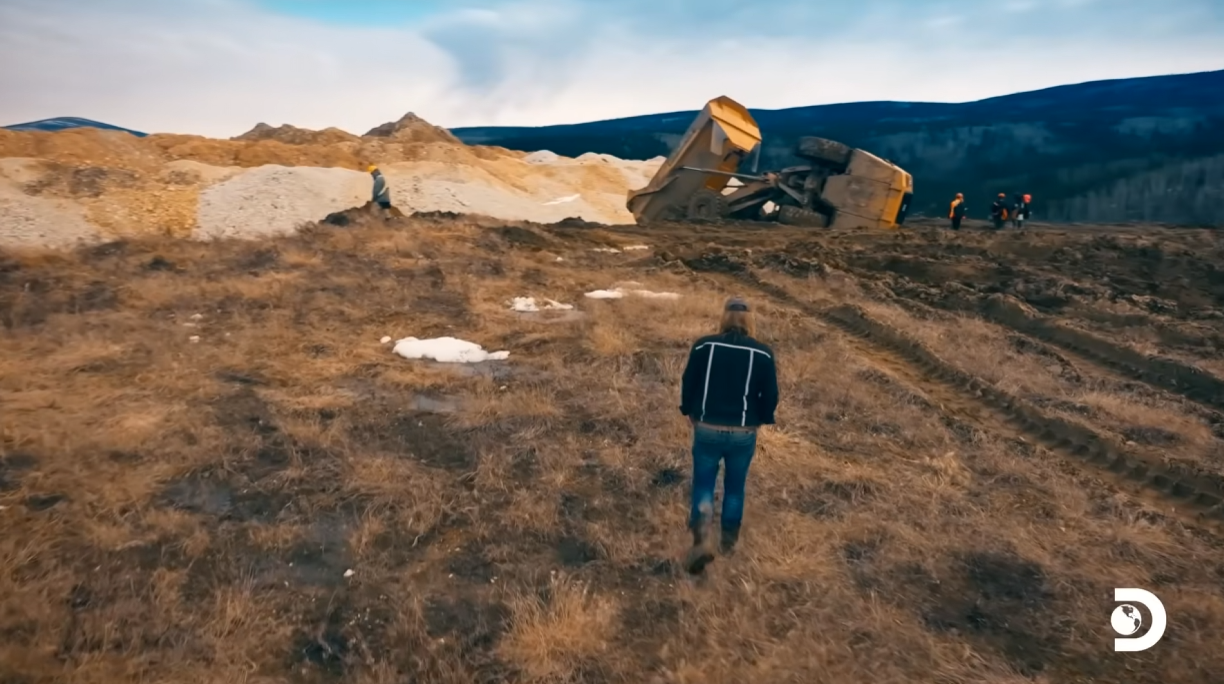
A New Strategy for Season 16
Season 16, which premiered in November 2025, showcases a fundamentally different Tony Beets operation. Rather than the slow, methodical processing of a dredge working through river sediments, viewers now see Beets running dual wash plant operations with the speed and efficiency that modern placer mining demands.
His goal for the season is characteristically ambitious: extract 6,500 ounces of gold worth over 22 million dollars. This target requires consistent, high-volume production that wash plants are better suited to deliver compared to the more specialized dredging operations.
The shift also reflects broader changes in Yukon mining regulations and economics. Wash plants offer greater flexibility, allowing miners to move between claims and adapt to changing ground conditions. They also face fewer regulatory complications than dredges, which operate in waterways and require extensive environmental permits.
Lessons from the Klondike
Beets’ pivot illustrates a crucial lesson in resource extraction: adaptability often trumps stubbornness. While his dredging operations were innovative and captured viewers’ imaginations, the regulatory environment and practical considerations ultimately forced a recalculation.

The veteran miner’s willingness to invest another million dollars in new equipment at this stage of his career demonstrates the confidence born from decades of experience. Unlike younger miners who might hesitate before such expenditures, Beets understood that the Find-A-Lot would pay for itself quickly if deployed correctly—a calculation that proved accurate within the first week of operation.
Looking Forward
As Season 16 unfolds, the question remains whether Beets will achieve his 6,500-ounce target without his beloved dredges. Early returns suggest the dual wash plant strategy is viable, but Yukon mining is notoriously unpredictable. Weather, equipment breakdowns, and the simple reality that gold deposits eventually run out all pose ongoing challenges.
What’s certain is that Tony Beets has once again demonstrated why he remains one of gold mining’s most compelling figures. By abandoning a multimillion-dollar investment that no longer served his goals and pivoting to a new strategy, he’s shown that success in the goldfields requires knowing when to hold them and when to fold them—even when folding means walking away from the very machines that made you famous.