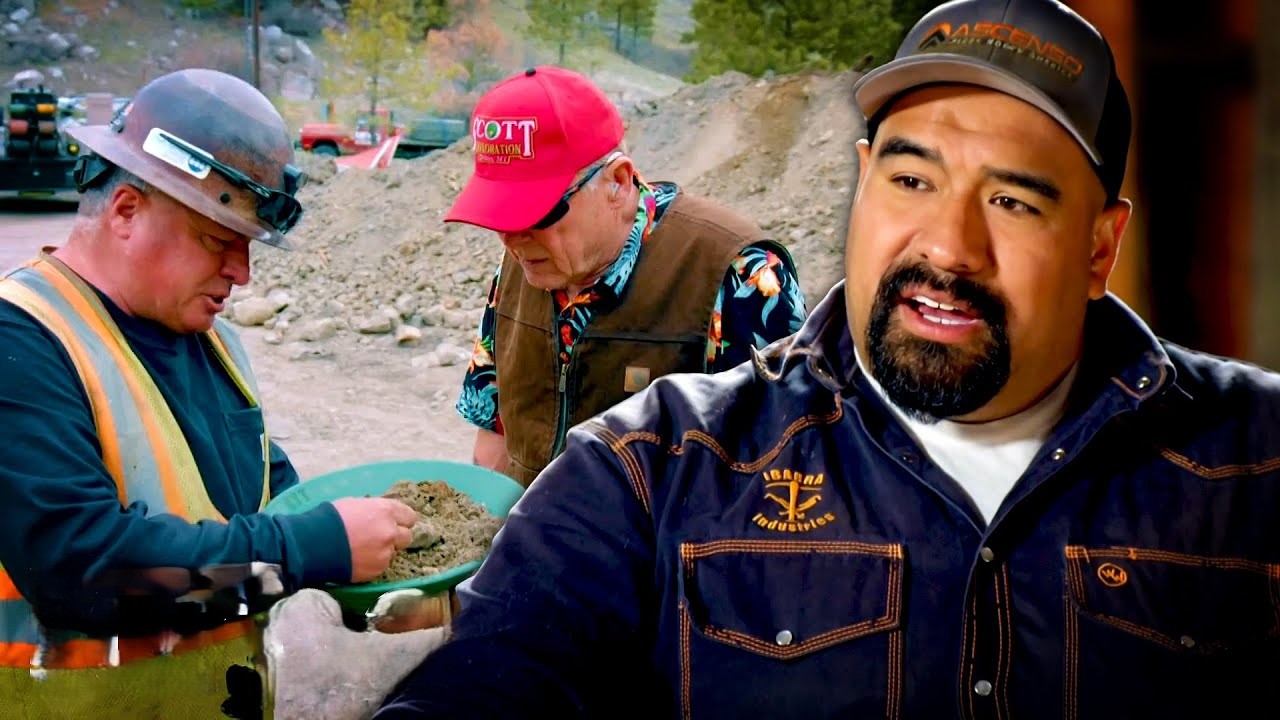
In the rugged hills of eastern Oregon, where echoes of the 19th-century gold rush still linger, veteran mining consultants Freddy Dodge and Juan Ibarra have once again proven that ingenuity and experience can unearth fortune from near defeat. Their latest rescue mission at the Sumpter Dredge site, aiding local prospector Tyler Beer, transformed a seemingly doomed operation into a glittering success, highlighting the enduring challenges and triumphs of modern gold mining.
The duo, known from their appearances on Discovery’s “Gold Rush” series, arrived at Beer’s mine amid dire circumstances. The site, scarred by historical hydraulic mining practices from the 1860s and 1870s, appeared stripped bare. “This doesn’t look good. This is bad,” Ibarra recalled in a candid reflection. Beer, facing mounting pressure, had been sifting through dirt with little yield, his momentum waning. “He had that look on his face that he lost all steam,” Dodge noted.
Hydraulic mining, a technique popularized between 1853 and 1884, used powerful water cannons—known as monitors—to blast away vast amounts of earth, funneling pay dirt into sluice boxes downstream. While revolutionary for its time, relying solely on gravity for pressure, it often scattered gold haphazardly. Dodge pointed out telltale signs of this method at Beer’s site: missing tailings, fractured bedrock, and an anomalous tree placement. “They hydraulicked this. Pretty sure that’s why there’s so much material missing,” he explained.
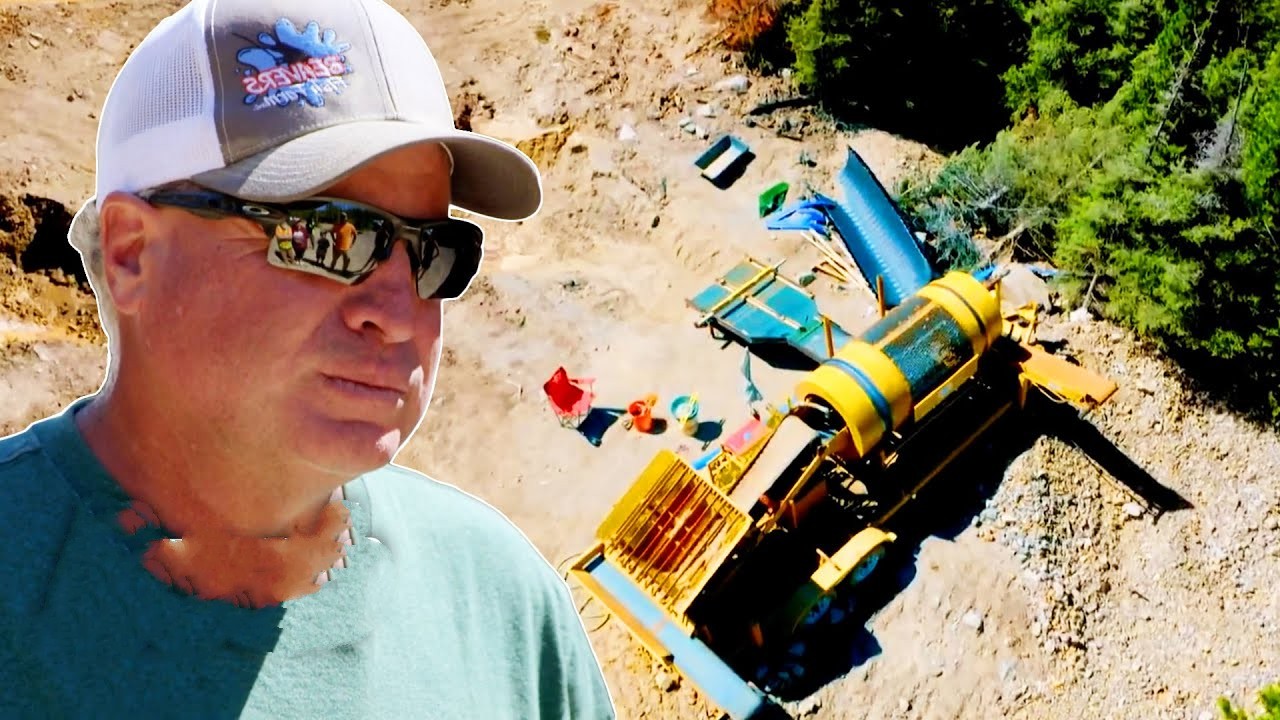
Undeterred, Dodge and Ibarra zeroed in on the bedrock, hypothesizing that gold particles might have lodged in cracks overlooked by old-timers. “Those pieces of gold… they hit that crack and they fall in,” Dodge said, examining the fractured rock. Their pan test yielded a stunning result: 15 visible colors of gold. “Holy cow. That’s phenomenal,” Ibarra exclaimed. Scaling up, they processed the material, uncovering 77.7 grains—a nearly 600% increase over Beer’s previous hauls. To hit viability, Beer needed at least 0.44 ounces; the find exceeded expectations, potentially saving his season. “That’s going to save my season,” Beer said gratefully.
This Oregon triumph echoes a 2021 rescue in Montana, where Dodge and Ibarra assisted Lee Scott. There, a faulty pan feeder clogged with clay-rich material halted operations after just an hour. “That feeder doesn’t work all that well,” Ibarra observed as oversized rocks threatened to destroy conveyors. Clay, dubbed a “gold thief” by the pair, not only jammed equipment but also carried away precious metal. “It’s like silly putty. It grabs it and takes it gone,” Dodge quipped. By advising proper pre-screening and equipment tweaks, they turned Scott’s losses into lessons.
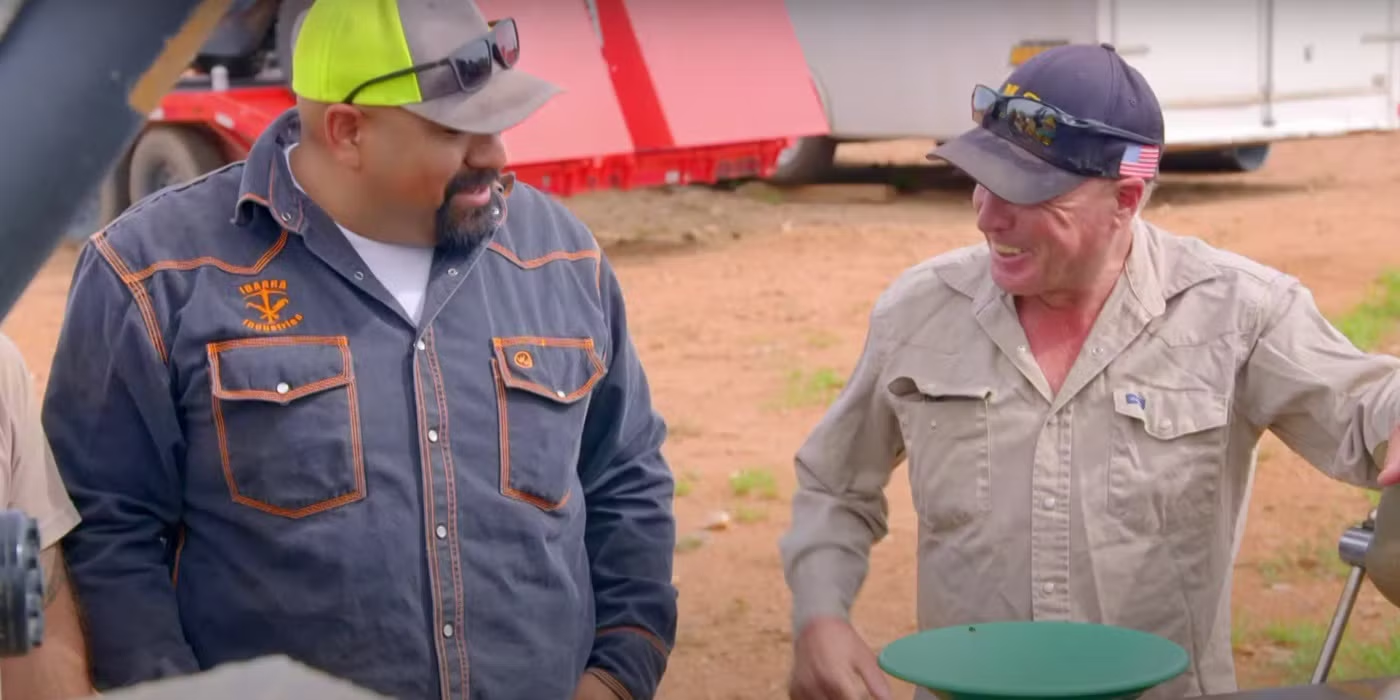
At the heart of these interventions is the critical role of feeders and hoppers in mining efficiency. “Having a consistent feed is a really important thing,” Dodge emphasized, comparing historical monitors to modern all-in-one solutions for excavating, feeding, and processing. Yet, mismatches—like using gravel feeders in clay-heavy ground—can spell disaster. “Make sure that you choose the right feeder for the ground you have,” Ibarra advised.
For Dodge and Ibarra, the road life demands sacrifices, but the rewards are profound. “We both sacrifice a lot to be on the road… But the payoff is when we see somebody’s situation change for the better,” Dodge reflected. Their work underscores a timeless truth: in gold mining, where history meets innovation, a keen eye and bold hunch can rewrite fortunes.
As remnants of old monitors dot the landscape—silent witnesses to past booms—prospectors like Beer and Scott remind us that the rush isn’t over. With experts like Dodge and Ibarra leading the charge, even the most battered claims hold hidden promise.