
Historic Workings Lead to New Gold Finds
Gold prospectors know that the best indicator of gold is, simply, gold. Across goldfields worldwide, historic workings serve as the strongest sign that riches lie beneath the surface. This principle proved true once again as a team of experienced miners explored an old dig site in Western Australia.
Following the Clues
Using historical maps and research tools like Tengraph, the team identified a hill covered in old workings—shafts, costeans, and dry blowings—suggesting a rich gold deposit nearby. With a strong lead, they moved in with metal detectors to scan the area for signs of gold.
Prospecting the Gold Run
Miners took to the field, using various detectors suited to different terrains. On the hill, where the ground was shallow, an SDC 2300 was the tool of choice. Meanwhile, on the flats, larger equipment was employed to scrape deeper layers. Early results were promising, with gold being recovered from the lower slopes where eroded material had settled.
Big Nuggets and Close Calls
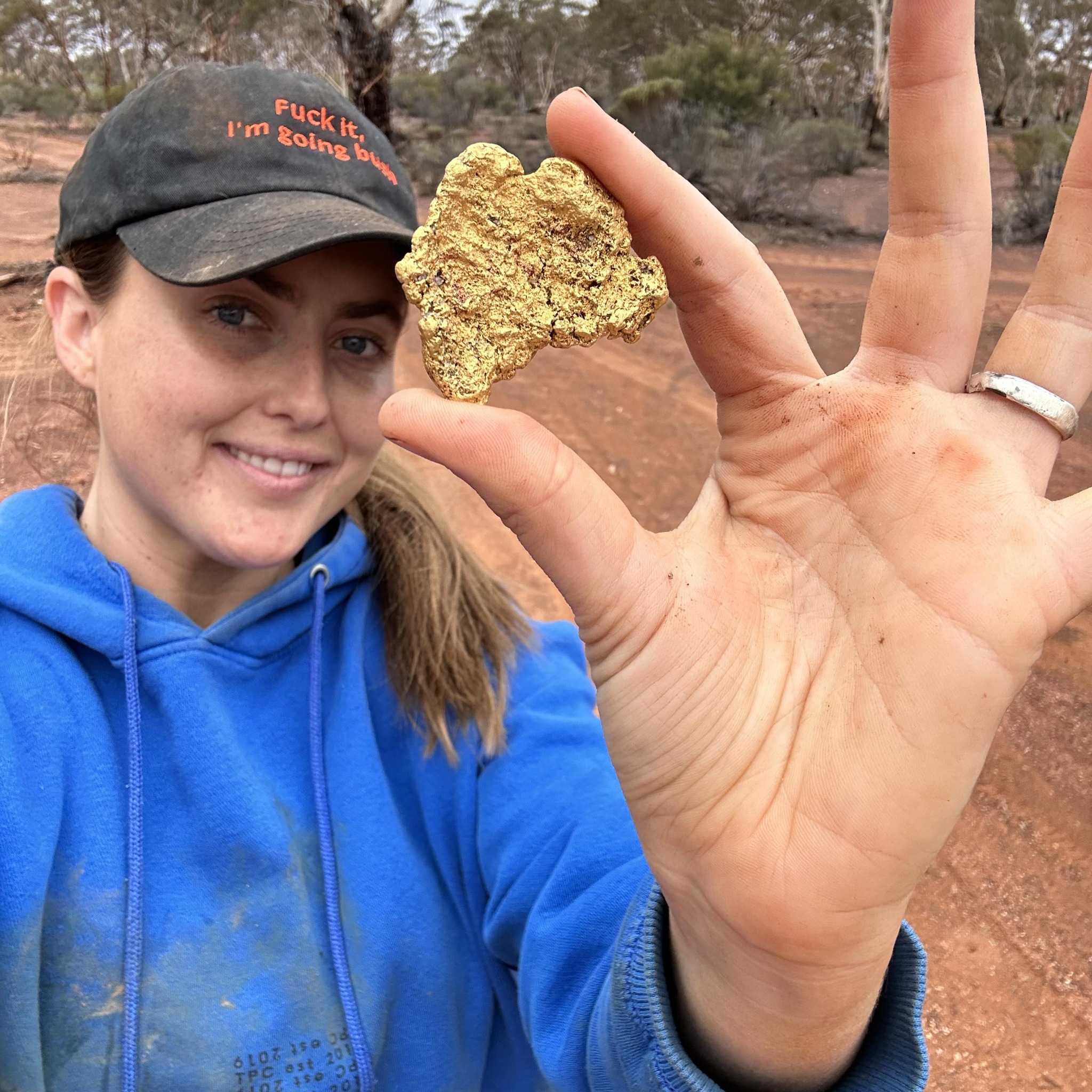
One of the day’s highlights was an intense dig around a loud signal, initially thought to be a large gold nugget. After careful excavation, the miners revealed a promising piece, estimated at 20 grams. “Still gold,” one miner remarked, reinforcing the unpredictable nature of prospecting.
Meanwhile, the field team had an unexpected encounter with local wildlife. A prospector narrowly avoided stepping on a snake, a common hazard in the remote Australian bush.
Wrapping Up the Day
As the heat intensified, the team called an early finish to prepare equipment for a dry-blowing operation. Despite the short prospecting session, their efforts yielded promising results. The full gold cleanup will be revealed in next week’s report.
The team encourages fellow prospectors to share their experiences and requests for future content. With historic workings as a guide and a keen eye on the ground, the hunt for gold continues.