
A father’s “tough love” approach leaves his son with poor financial judgment and questionable business ethics
Gold Rush Season 16 delivered an uncomfortable moment when Parker Schnabel confronted Kevin Beets over a six-month-overdue debt of $130,000. But this financial drama reveals something deeper: how Tony Beets’ unforgiving management style may have created his son’s ethical blind spots.
Tony’s Legacy: “No Freebies” Even for Family
Tony Beets built his empire on relentless pressure and hardball tactics. His famous line to Kevin says it all: “There are no more freebies. We all got to learn to be our own boss.” Yet Kevin operates on Tony’s leased ground, uses Tony’s old equipment, and pays his parents a 10 percent royalty. He’s trying to prove independence while remaining financially tethered to his father.
Starting work at 13 and leading crews by 19, Kevin grew up in an environment where mistakes cost thousands and perfection was the only acceptable standard. Tony criticizes publicly and rarely praises. He treats business as war, even with his own children. Is it any wonder Kevin’s business ethics are confused?

The Debt and the Excuses
Kevin owed Parker for equipment purchased last season—a shovel, trommel, and rock truck. When Parker came to collect after six months, Kevin offered two weak justifications that echo his father’s hardball playbook:
First, he suggested Parker’s wealth made the debt less urgent. Kevin told Parker that because he’d waited so long, he assumed Parker didn’t really need the money. This reasoning channels Tony’s worldview: take every advantage you can get, exploit any perceived weakness.
Second, Kevin blamed delayed invoicing, though the original deadline was six months prior. The real issue? Kevin admitted to Faith that the money set aside for Parker had already been spent on other expenses. This wasn’t about invoices—it was about spending money he didn’t have and hoping the creditor wouldn’t push too hard.
Caught Between Pressure and Poor Judgment
Throughout Season 16, Tony and Minnie have maintained relentless pressure on Kevin to produce results. Minnie told him bluntly he needed to make money instead of burning through savings. Tony noted that money kept going out with nothing coming in.

This pressure-cooker environment helps explain Kevin’s poor decision. When your parents are scrutinizing every dollar while you’re trying to prove you can manage independently, the temptation to redirect funds from a delayed invoice to immediate operational needs becomes overwhelming. Kevin knew he owed Parker, but Tony and Minnie were watching his burn rate like hawks.
The Scramble to Pay
Parker set a Thursday deadline and warned: “If I don’t get paid, there will be consequences.” Kevin and Faith needed 36 ounces of gold to cover the debt. The cleanup revealed harsh reality: only $97,000 worth, leaving them $33,000 short. Kevin had to raid his savings account to make up the difference—a humiliating admission of mismanagement played out on national television.
A Father’s Fingerprints on His Son’s Failures
Kevin desperately wants respect, but he keeps undermining himself with decisions that suggest he hasn’t learned what ethical business conduct looks like. He knows mining inside and out, but his judgment seems warped by years of watching Tony operate with bare-knuckle tactics.
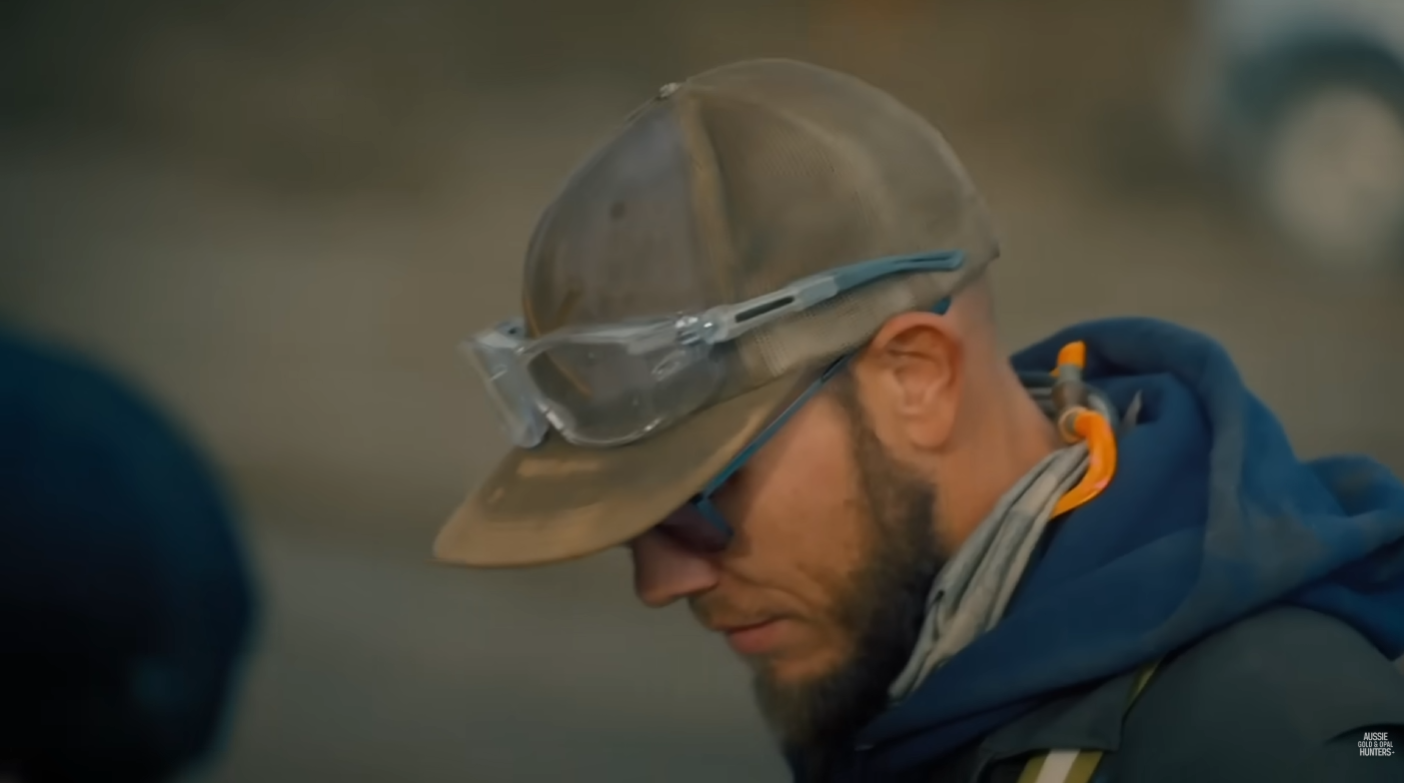
When Kevin justified not paying Parker by pointing to Parker’s wealth, he was treating a legitimate business debt as negotiable based on the creditor’s financial status—echoing Tony’s win-at-all-costs mentality. The problem is that Parker isn’t Tony’s rival; he’s a peer in the mining community where reputation matters.
Tony may be the King of the Klondike, but has he actually prepared his children to run ethical, independent operations? Or has he simply trained them to be smaller versions of himself—minus the decades of experience that occasionally make his aggressive tactics work?
The Real Cost
Kevin paid the $130,000, but the damage extends beyond money. His reputation has taken a hit, his relationship with Parker is strained, and he’s shown the mining community he’ll make excuses rather than honor commitments.
The incident is a cautionary tale about two things: First, in business, a debt is a debt regardless of the creditor’s wealth. Second, tough love parenting in high-stakes industries can create children who are technically competent but ethically confused.
Tony Beets’ crown has sharp edges, and Kevin is learning that building his own kingdom requires more than mining skills—it requires the character and judgment his father never quite taught him to develop. The question now is whether Kevin can learn to be better than his upbringing, or if Tony’s legacy of hardball tactics will continue to echo in his son’s poorest decisions.
