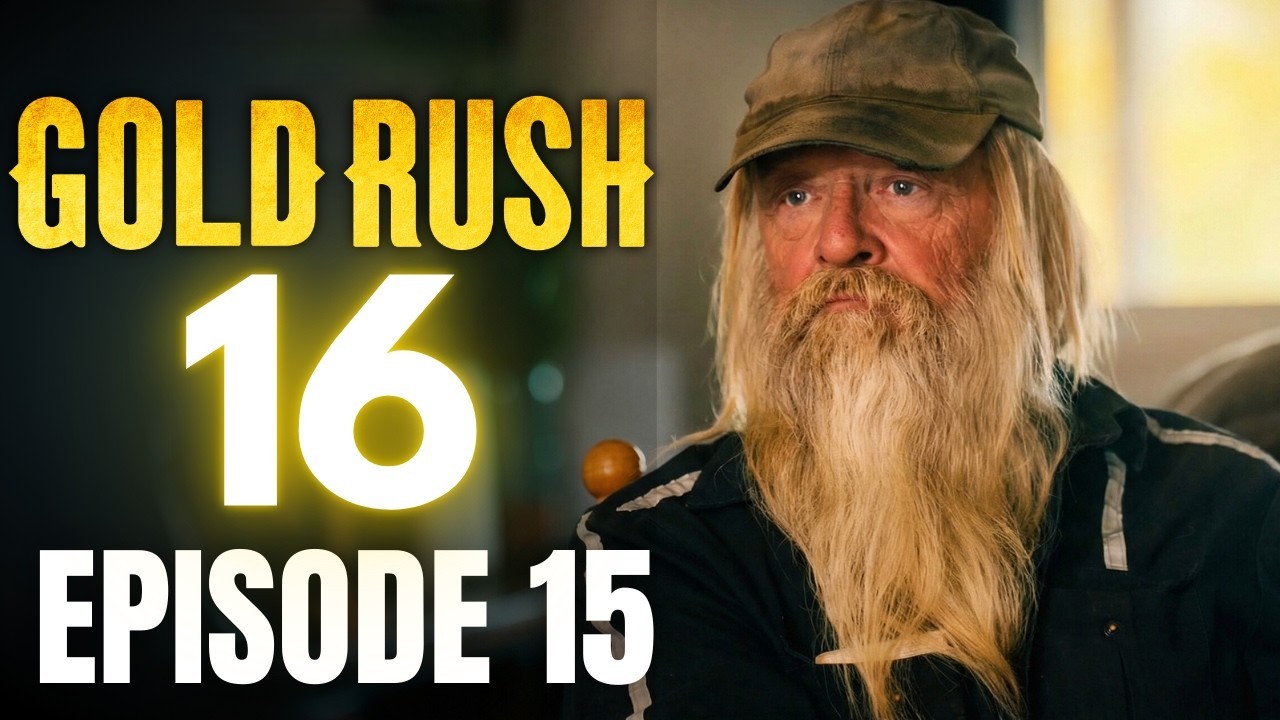
As the Yukon mining season edges toward its final stretch, Episode 15 of Gold Rush delivers a stark reminder that success in the Klondike is never guaranteed — no matter how strong the start. With winter tightening its grip, machinery wearing thin and crews running on exhaustion, the margin for error has effectively vanished.
After 14 demanding weeks, Tony Beets remains the dominant force of the season. Operating two wash plants at Indian River around the clock, he has generated nearly $17 million in gold and sits just over 1,000 ounces shy of his 6,500-ounce target. The formula has been characteristically straightforward: maximise throughput, minimise downtime and extract every viable ounce before freeze-up halts operations.
Yet beneath the surface of this commanding performance, vulnerabilities are emerging — most notably at Paradise Hill. There, Tony’s son Mike Beets faces mounting pressure to bring a long-delayed trommel system online. The machine, central to unlocking additional ground, has become a focal point of frustration.
When Mike finally attempts a long-awaited start-up, the moment quickly unravels. A critical water flow issue threatens to clog the system with dry material, forcing an immediate shutdown. Soon after, missing rollers compound the setback. The atmosphere shifts from optimism to visible disappointment.
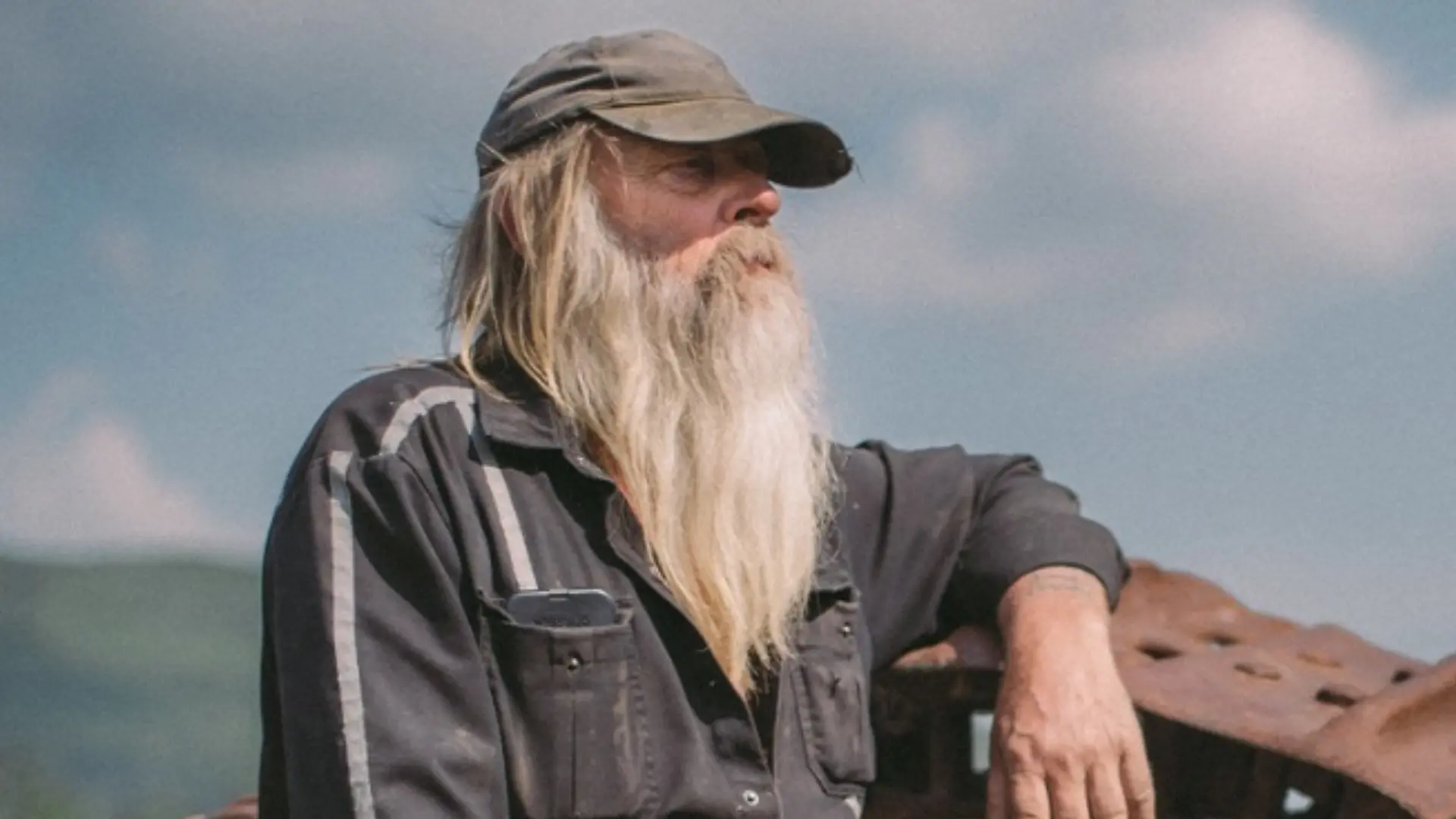
Tony’s response is pointed but telling. When blame begins to circulate, he reminds his son: “It’s his party.” The message is clear — leadership requires ownership. For Mike, the episode underscores the dual challenge of technical complexity and family expectation. For Tony, it represents a delicate balance between stepping in and allowing his successor to learn through adversity.
Despite Paradise Hill’s struggles, Indian River continues to deliver. A weekly weigh-in of 537 ounces — split between Slucifer and the second plant — pushes the seasonal tally to 5,432 ounces. The numbers reinforce Tony’s status as the most formidable operator in the region. Yet millions of dollars in potential gold remain locked beneath ground that Paradise Hill has yet to access.
If Tony’s operation reflects calculated dominance, Rick Ness embodies urgency. At Vegas Valley and Duncan Creek, Rick’s season hangs in the balance. After investing heavily to open new ground, he has reached only a fraction of his intended target. The Valhalla Cut — buried 120 feet beneath layers of overburden — represents his final opportunity to recover lost momentum.
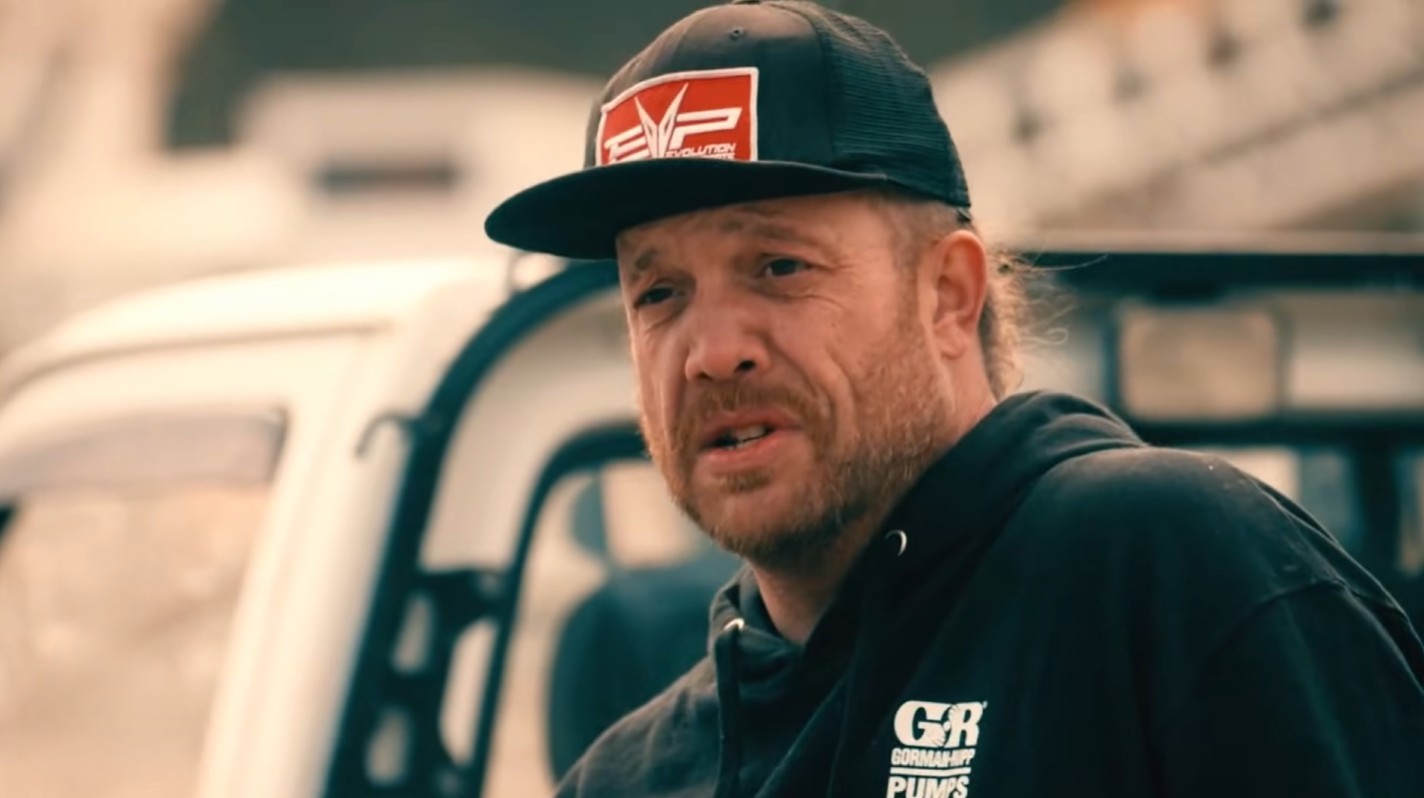
The logistical demands are immense: nearly 1,800 truckloads per week to stay on pace. Fatigue begins to erode morale. A heated exchange between crew members highlights the psychological toll of prolonged strain. Safety concerns rise as tempers flare.
Rick intervenes decisively, taking control of a truck himself to better understand the burden his crew faces. The experience proves transformative. Recognising that the existing haul route is unsustainable, he authorises construction of a new, more direct road to the dump site.
The adjustment yields immediate results. Productivity surges, bringing the team within striking distance of weekly targets. Yet 80 feet of overburden still stand between Rick and pay dirt. For him, the season has become about more than ounces — it is about credibility and survival in a fiercely competitive industry.
Meanwhile, at Scribner Creek, Kevin Beets continues to forge his identity outside his father’s shadow. After weeks of mechanical setbacks and frozen ground, reinforcement arrives in the form of returning crew member Buzz, whose experience stabilises a stretched operation.
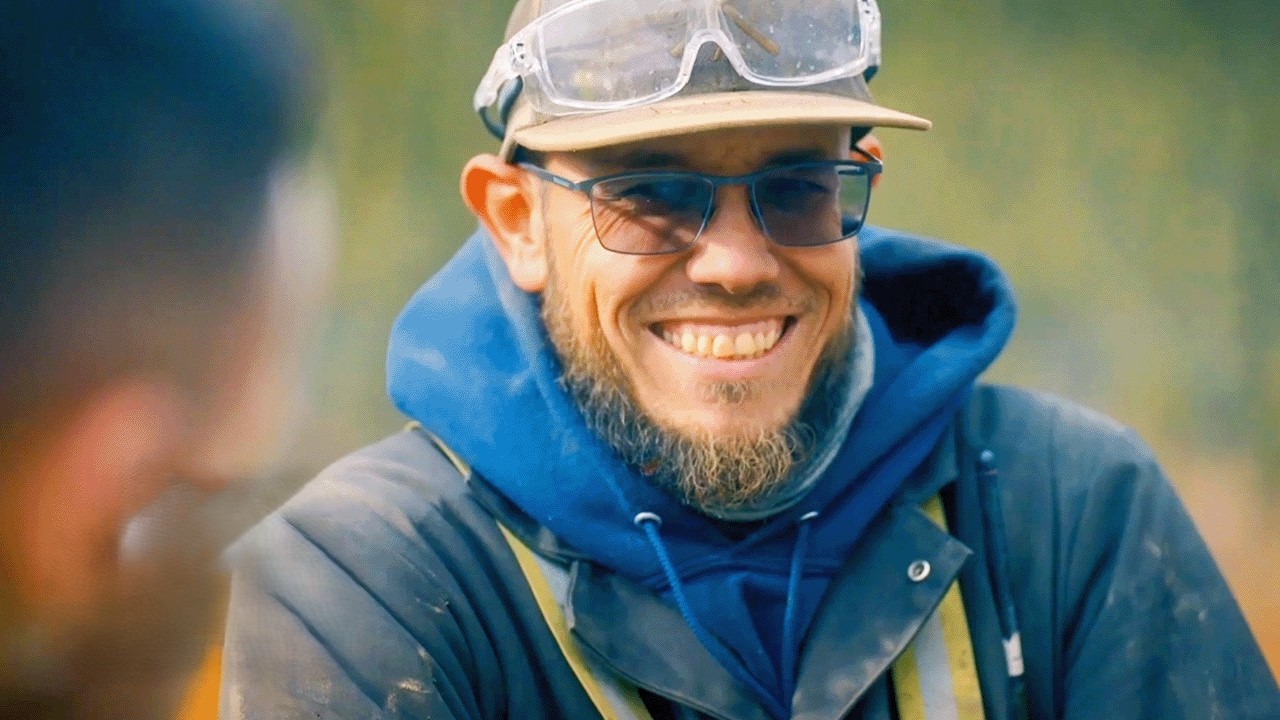
Kevin’s pivotal decision comes when faced with a cracked excavator bucket needed to break through frozen layers. Rather than lose critical days awaiting replacement parts, he chooses to weld and reinforce the damaged equipment. The repair holds. Pay dirt is reached. The wash plant restarts.
A weigh-in of 187 ounces offers tangible progress, lifting Kevin’s seasonal total to 769 ounces. While still far from his 2,000-ounce goal, momentum has shifted. The episode captures a turning point — not merely in output, but in confidence.
Episode 15 encapsulates the enduring appeal of Gold Rush: ambition tested by reality, family dynamics intertwined with business, and the relentless ticking of the northern clock. Tony Beets maintains control of the leaderboard, yet unresolved technical issues loom. Rick Ness fights to rescue a precarious season through innovation. Kevin Beets inches closer to establishing his own authority.
With winter advancing and the ground soon to harden, every remaining shift carries amplified significance. In the Klondike, success is measured not only in ounces recovered, but in resilience under pressure. As the season approaches its conclusion, one truth remains constant: fortunes are built — and undone — in the final weeks.
