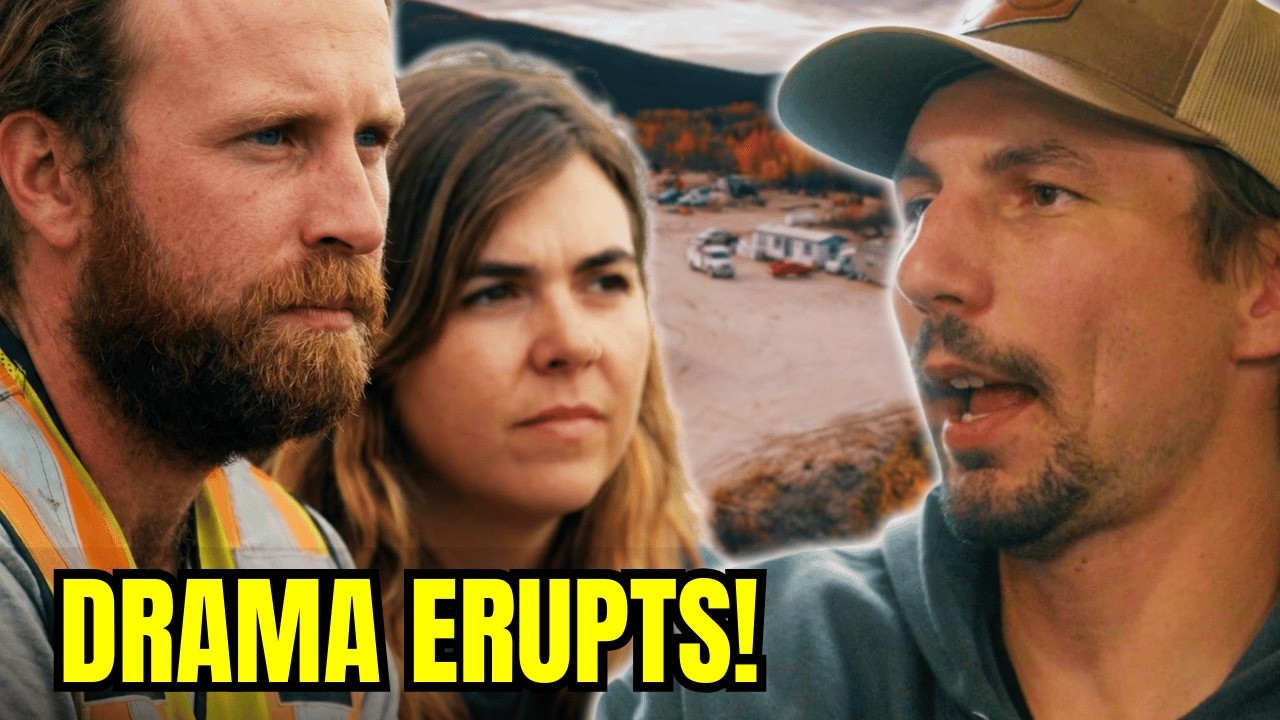
Parker Schnabel is not running a routine summer operation this year. With a target of 10,000 ounces of gold, valued at roughly $35 million, the stakes at Dominion Creek have risen sharply, and every staffing decision now carries significant weight.
That pressure came into sharp focus this season following the departure of loader operator Taven Peterson, a second-year crew member whose exit quickly became one of the most closely scrutinised moments of the year among viewers of Gold Rush.
The decision was made by Dominion Creek manager Nona Loveless, who cited concerns over teamwork, communication, and what she described as a reluctance to take direction. According to her assessment, Peterson continued to operate in his own way rather than adapting to feedback he had been given over several weeks.
Peterson, for his part, rejected that characterisation. He maintained that he was following instructions and took pride in his productivity, particularly in how many loads he was able to move per hour. However, that confidence was interpreted differently by management, who felt it demonstrated resistance rather than contribution.
The dismissal itself was swift and final. Peterson left the site visibly affected, and his departure prompted a strong reaction from viewers, many of whom questioned whether the reasoning presented justified removing an experienced operator during such a critical phase of the season.
While workforce changes are not unusual in mining operations, this moment attracted heightened attention due to what followed next.
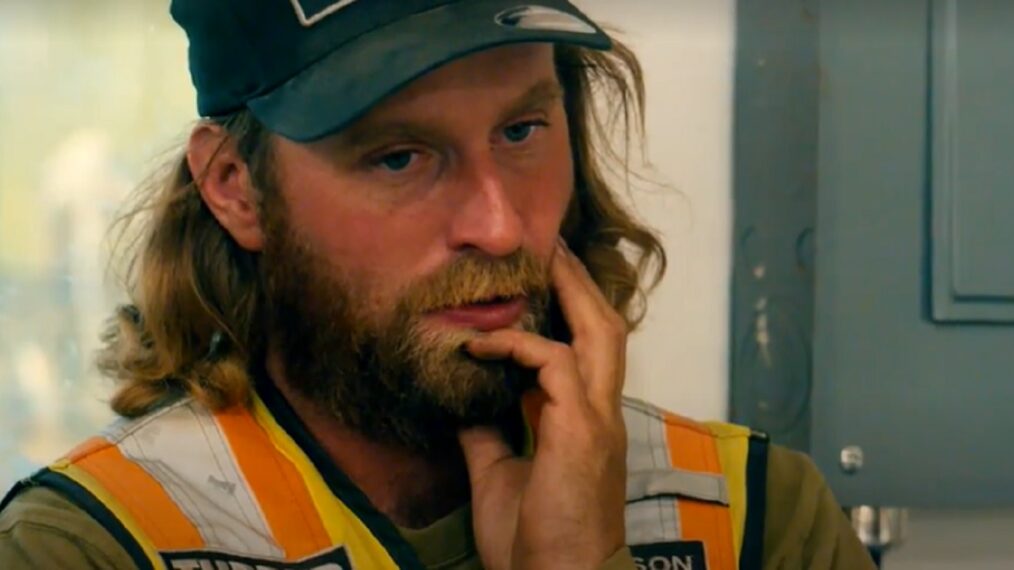
A Replacement That Raised Questions
With Peterson gone, Dominion Creek faced an immediate operational gap. Wash plant Bob depends on a steady flow of material, and without a loader operator, production risked slowing at a time when every hour mattered.
The role was filled by India Greenhill, the partner of foreman Tyson Lee. The timing of the appointment became the focal point of viewer criticism, particularly as Greenhill was new to operating heavy equipment.
Although Greenhill was not unfamiliar with the environment — having spent several years working behind the scenes with the Gold Rush production crew — her experience did not include hands-on mining operations at scale. She entered the role with only a short period of loader training, at a moment when Dominion Creek could least afford delays.
For many viewers, the sequence of events was difficult to separate. Peterson was dismissed for issues that some felt were insufficiently demonstrated on screen, and the vacancy was immediately filled by someone with a personal connection to the foreman and limited operating experience.
Whether or not that perception reflected reality, the optics mattered.

Learning Under Pressure
Greenhill did not attempt to downplay the challenge. On camera, she acknowledged how demanding the role was and how steep the learning curve felt. Operating a loader at Dominion Creek requires precision, situational awareness, and constant coordination with the wash plant crew.
Lee took responsibility for her training, carefully guiding her through hopper feeding, belt awareness, and managing material flow to avoid clogs or shutdowns. Even minor errors can cascade quickly in mining, where interruptions carry both financial and operational consequences.
During one early setback, when material jammed in the hopper feeder, Lee used the moment as instruction rather than criticism. Greenhill returned to the controls, visibly tense but focused, and gradually improved her control and timing.
By the end of the sequence, she had demonstrated that she could keep the system running — an essential first step, though not yet proof of long-term capability.

A Broader Question of Fairness
Despite those efforts, viewer unease persisted. Much of the discussion centred not on Greenhill herself, but on the process that led to her arrival.
Critics argued that if Dominion Creek was truly operating at maximum ambition, replacing a second-year operator with a trainee appeared to increase risk rather than reduce it. Supporters countered that everyone must start somewhere, and that familiarity with the environment and commitment to learning mattered as much as tenure.
What remained unresolved for many was whether Peterson had been given sufficient opportunity to adjust, and whether the standards applied to his performance were applied consistently across the crew.
Pressure at the Top
For Schnabel, the situation underscored the difficulty of leadership during a season defined by aggressive targets. Decisions that might pass quietly in a lower-pressure year are magnified when expectations are this high.
Mining does not pause for debate. The ground must be run, the plant must be fed, and results ultimately decide which choices were justified. As the season progresses, attention has shifted from the circumstances of the change to its outcome.
Greenhill’s role is now simple in principle but unforgiving in practice: perform consistently, minimise disruption, and prove that the decision made under pressure was sustainable.
Until that verdict becomes clear, the episode remains a reminder of how quickly operational choices, personal relationships, and public perception can collide when the margin for error disappears.
 hs
hs