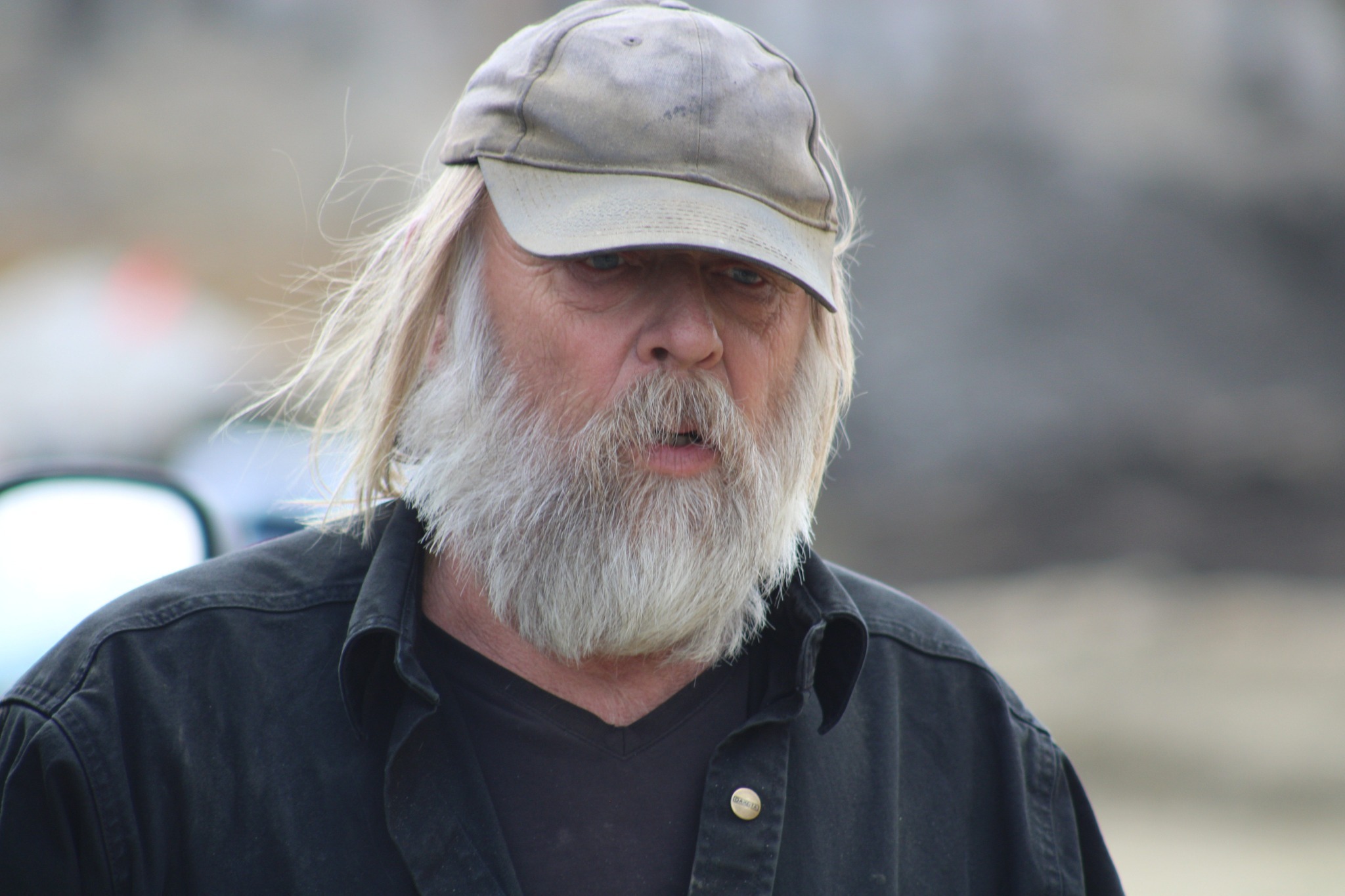
At Paradise Hill, beneath 40 feet of frozen earth, millions in gold lay trapped. To reach it, Tony Beets, the “Viking of the Klondike,” put everything on the line — including his brand-new $2.7 million Caterpillar D11 dozer.
The 120-ton beast, fresh from the factory, crept to the edge of a 40-foot cliff as Beets ripped through solid permafrost. One wrong move could have sent the machine — and Beets — plunging to disaster. Instead, the risk paid off. The D11 ripped apart ground that would have taken weeks to clear, unlocking the pay layer in just five days.
“It’s about power and precision,” Beets said. “You have to work with the iron, not on it.”
THE FLOATING FORTUNE: TONY’S MILLION-DOLLAR DREDGE DREAM
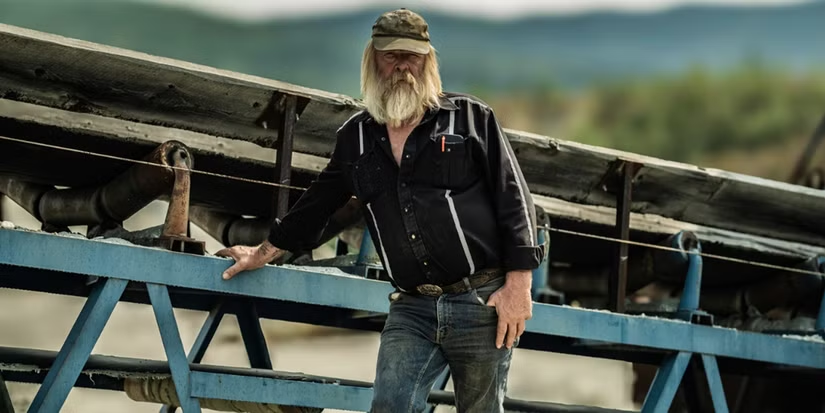
Before the D11, Beets staked his fortune on reviving a 75-year-old gold dredge — a 750-ton relic he moved 150 miles across the Yukon. The project cost more than $3 million, and when he bought a second dredge, the total bill soared past $5 million.
Each piece — some over 20 tons — had to be hauled, rebuilt, and reassembled without blueprints. “They called me crazy,” Beets laughed. “Maybe I am — but it works.”
The Viking Dredge became a symbol of his empire: half museum, half money machine.
PARKER SCHNABEL’S GOLD FACTORIES: ENGINEERING AN EMPIRE
While Beets turned to history, Parker Schnabel built the future. His custom-built wash plants — from Sluicifer to Big Red, Monster Red, and Roxanne — have become icons of modern mining.
Each plant costs hundreds of thousands to millions of dollars, and together his system exceeds a $2 million investment.
“Bigger plants, more dirt, more gold — that’s the math,” Parker said. “Efficiency wins.”
The engineering marvels process thousands of yards of gravel a day, fueling Schnabel’s rise as the most technologically advanced miner in the Yukon.
THE MILLION-DOLLAR MISTAKE: TODD HOFFMAN’S D-ROCKER DISASTER
Not every big bet pays off. Todd Hoffman’s infamous D-Rocker wash plant, designed to conquer Oregon’s clay-heavy ground, cost over $1 million — and failed spectacularly.
Mechanical issues, design flaws, and endless breakdowns turned it into a monument to misplaced ambition. “We’re screwed,” Hoffman admitted on camera as the machine collapsed mid-run.
The D-Rocker became a warning for miners everywhere: in the Yukon, the most expensive machine isn’t the one you buy — it’s the one that doesn’t work.
THE PRICE OF GOLD: MACHINE VS. MAN
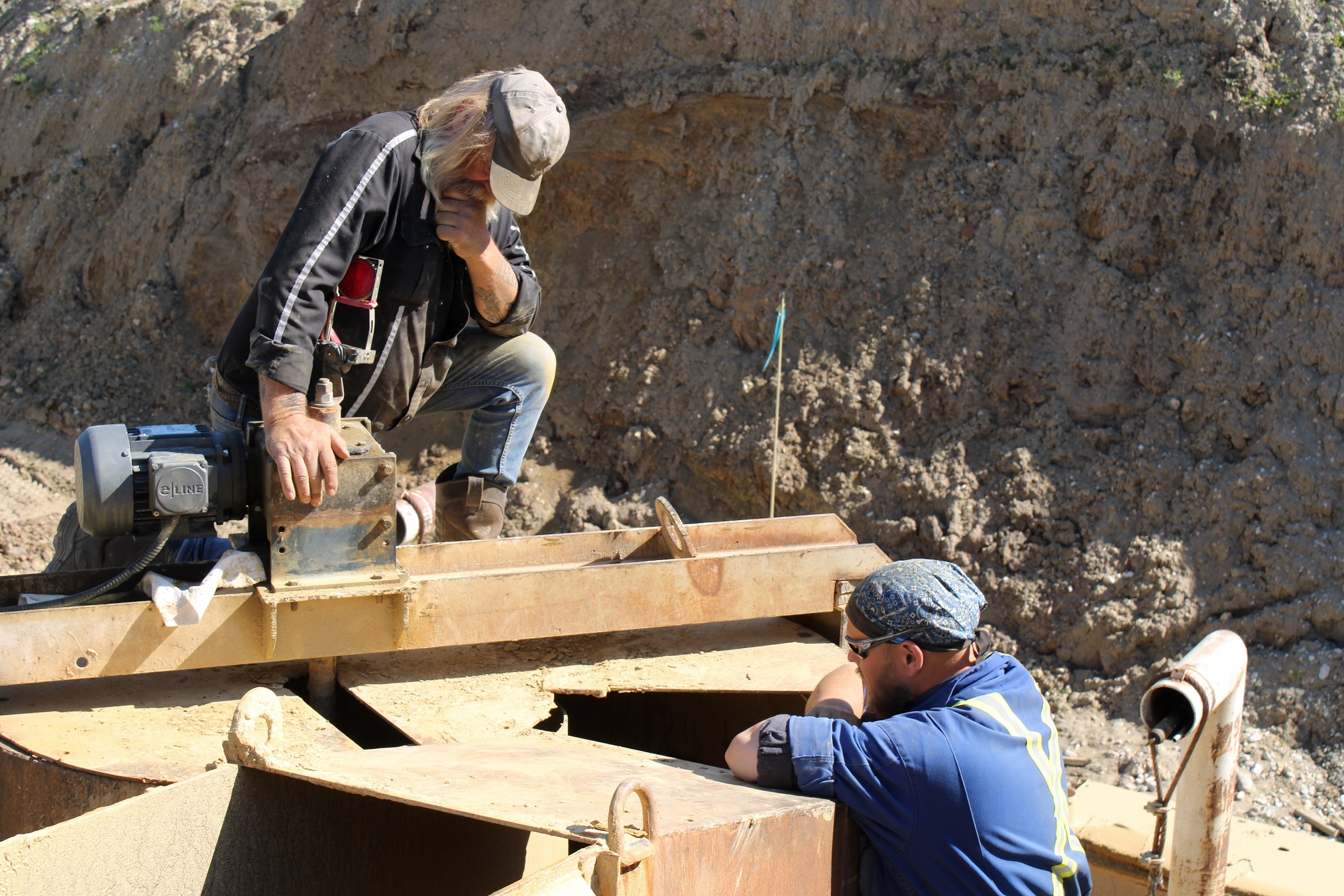
From Tony’s D11 to Parker’s wash plants, the modern gold rush is an arms race of iron and ambition.
Each miner wagers millions on machinery, hoping for the one thing money can’t guarantee — success.
Because in the Yukon, it’s not just about horsepower or hydraulics. It’s about the man in the cab, the gamble he takes, and the gold he dares to chase.
Note:
As gold prices soar and competition tightens, the next season promises even bigger machines, deeper cuts, and higher stakes. The question remains: who will strike it rich — and who will watch their fortune sink beneath the permafrost?
