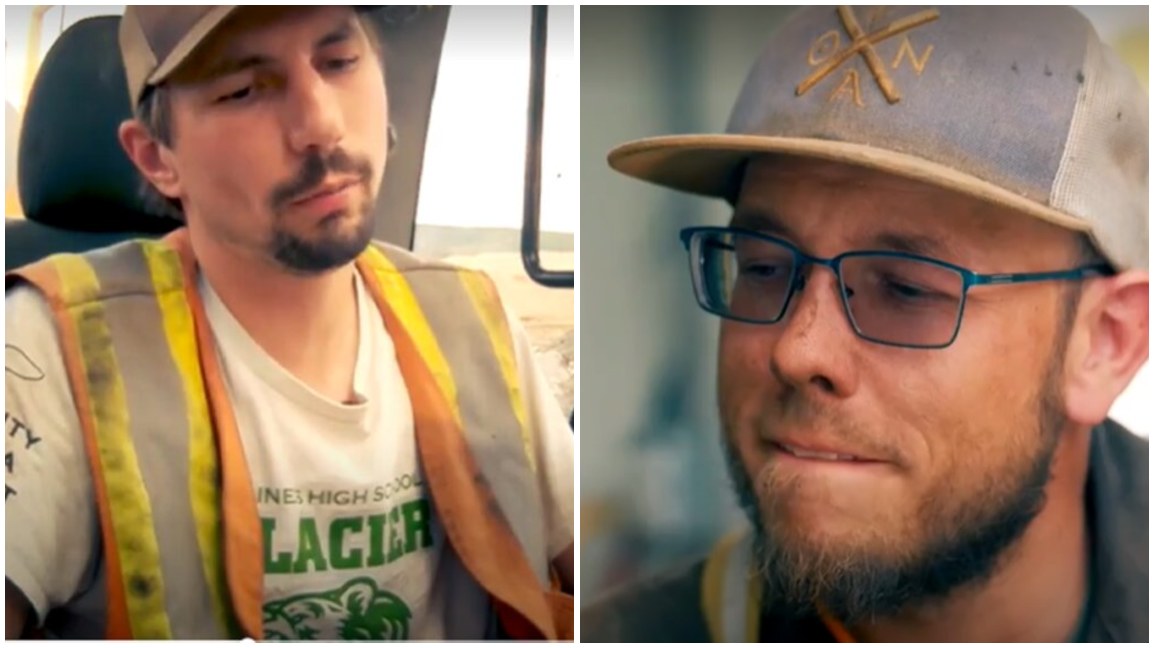
A six-month-overdue payment and questionable excuses threaten the relationship between two mining operations
The latest episode of Gold Rush Season 16 has delivered one of the most uncomfortable confrontations in the show’s history, as Parker Schnabel demanded repayment of a $130,000 debt from Kevin Beets that had been outstanding for half a year.
The Debt Origins
The debt stems from equipment Kevin purchased from Parker in the previous season, including a shovel, trommel, and rock truck. According to their original agreement, payment was due at the end of last season. However, six months later, Parker still hadn’t received a dime.
When Parker finally showed up at Kevin’s operation to collect, the younger Beets offered explanations that raised more eyebrows than they provided clarity.
Questionable Justifications
Kevin’s defense for the delayed payment revealed a troubling mindset. He told Parker that because Parker had waited so long to pursue the debt, he assumed Parker didn’t really need the money. The implication was clear: Parker’s wealth somehow made the obligation less urgent.

This reasoning is particularly problematic given that Parker has invested $4.5 million into his own mining operations this season. Every dollar counts in the expensive world of gold mining, regardless of an operator’s overall financial position.
Kevin also claimed that Parker had only recently sent the invoice, making it difficult to process payment. However, this excuse rings hollow given that the original payment deadline was six months prior, and both parties were aware of the agreement.
The Scramble to Pay
Parker wasn’t interested in excuses. He set a hard deadline of Thursday for full payment and issued a thinly veiled threat: “If I don’t get paid, there will be consequences.”
The pressure was on. Kevin and Faith Teng calculated they needed 36 ounces of gold to cover the debt. When cleanup day arrived, their gold weighed in at just $97,000 worth, leaving them $33,000 short.
To make up the difference, Kevin and Faith had to dip into their savings account, a painful admission that they had already spent the money originally earmarked for Parker on other expenses.

A Pattern of Poor Business Practices?
What makes this situation particularly concerning is Kevin’s admission to Faith that the money set aside for Parker had already been spent on other things. This suggests the delay wasn’t simply about invoice timing or administrative oversight—the funds had been reallocated without settling the original debt.
In legitimate business dealings, this would raise serious red flags. When you owe money for purchased equipment, that debt takes priority. Using those funds elsewhere while offering excuses about the creditor’s wealth demonstrates questionable financial management and business ethics.
The Broader Implications
This incident highlights the informal nature of many transactions in the mining world, where handshake deals and personal relationships often substitute for formal contracts. While this approach can work among trusted partners, it also creates situations where obligations become murky and enforcement depends on personal confrontation rather than legal recourse.

Parker’s willingness to confront Kevin directly—and on camera—sends a clear message to other miners in his network: business is business, regardless of personal relationships or perceived wealth disparities.
Conclusion
While Kevin ultimately paid the debt, the six-month delay and his justifications for it have likely damaged his business relationship with Parker. In an industry where reputation and trust are everything, suggesting that someone’s wealth makes them less entitled to timely payment is a dangerous precedent to set.
The incident serves as a cautionary tale: in business, a deal is a deal. Your creditor’s financial status doesn’t diminish your obligation, and spending money you owe to someone else is never good practice—no matter how you try to justify it.
