
As Gold Rush moves deeper into its sixteenth season, Episode 13 — Valhalla or Bust — marks a decisive turning point for the Yukon’s most prominent miners. With winter closing in, machinery faltering and gold totals slipping below target, the margin for error has narrowed to almost nothing.
For Parker Schnabel, Tony Beets, Rick Ness and Kevin Beets, the episode represents more than another week of excavation. It is a test of leadership, financial discipline and long-term strategy at a moment when even minor setbacks carry outsized consequences.
Parker’s Gamble on Experience
After building a commanding early lead this season, Parker Schnabel has recently faced two consecutive weeks of disappointing weigh-ins. Mechanical breakdowns, challenging ground and production delays have slowed what was intended to be a record-setting campaign.
By the end of Episode 12, Parker had mined close to 6,000 ounces — valued at roughly $20 million. While those figures keep him atop the leaderboard, the downturn has exposed vulnerabilities within his expanded operation.
In response, Parker made a strategic shift at Indian River, placing veteran operator Brennan Ruault in charge of stabilising yardage and driving output. The decision underscores Parker’s recognition that experience — not expansion alone — will determine whether his season finishes strong.
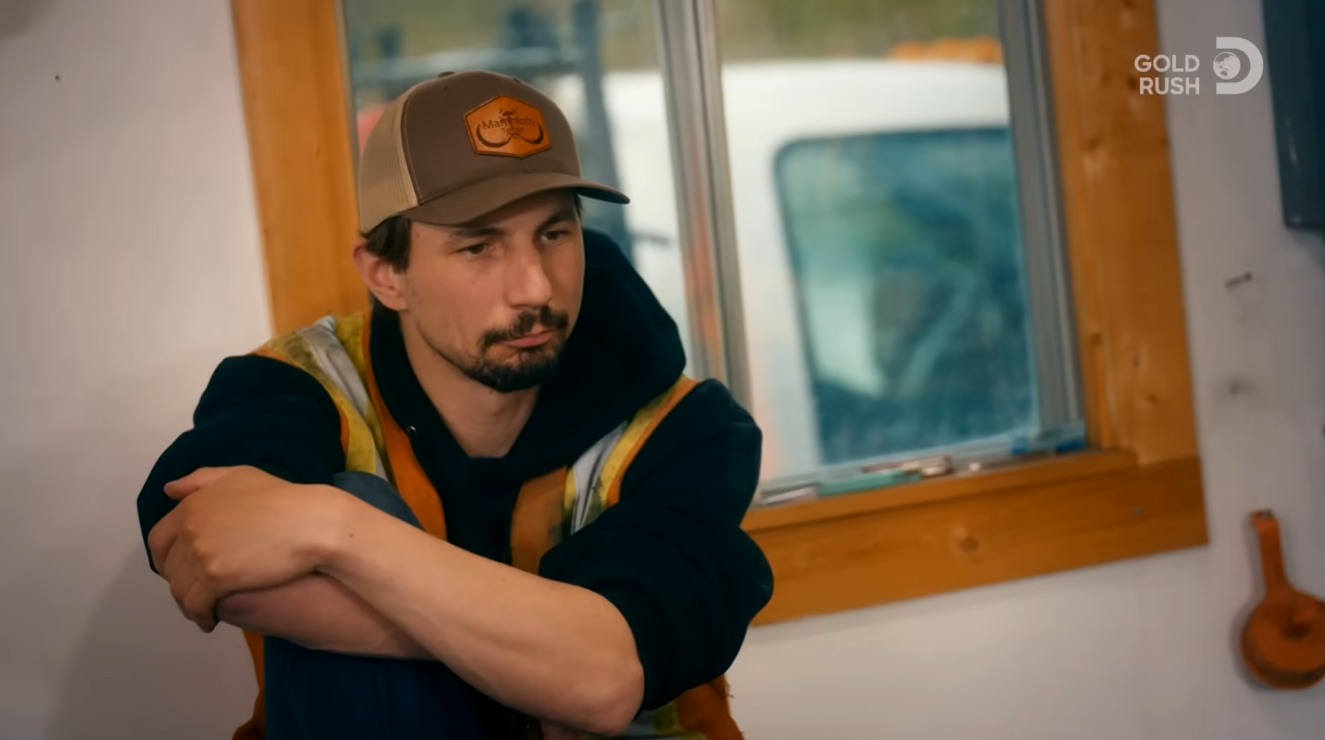
Ruault now carries the responsibility of coordinating crews, managing equipment reliability and maintaining morale under mounting pressure. With daily operating costs running high and gold prices elevated, every hour of downtime translates into significant financial impact.
For Parker, the move is about restoring momentum before the Yukon winter compresses his remaining window.
Rick’s Million-Dollar Commitment
While Parker works to protect his lead, Rick Ness is pursuing a bold recovery strategy.
Entering Episode 13 with just over 400 ounces — worth approximately $1.5 million — Rick finds himself trailing far behind expectations. Repeated equipment setbacks and inconsistent ground conditions have stalled his comeback season.
Rather than retreat, Rick has committed $1 million to open a new cut on a narrow wedge of ground at Lower Duncan Creek. The parcel, wedged between claims he already controls, may appear minor on paper. Rick, however, believes geological indicators suggest untapped potential.
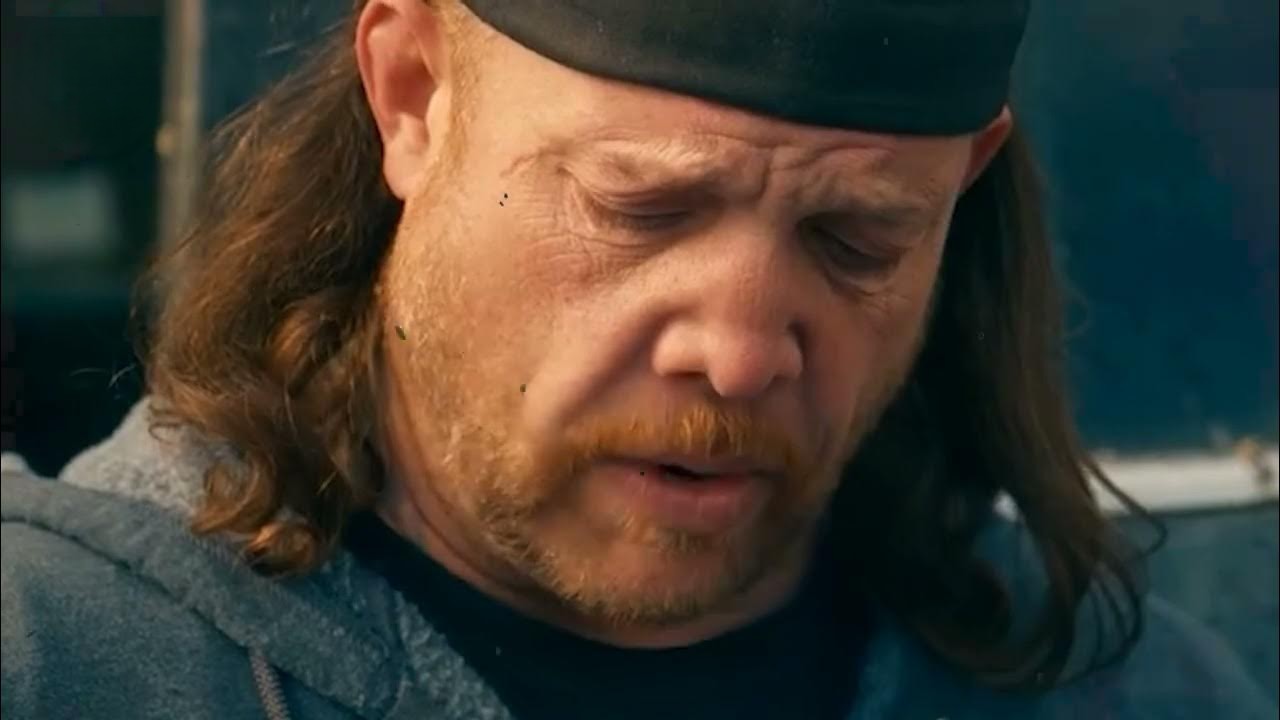
The financial risk is substantial. Fuel, labour and maintenance costs are already straining his operation. A strong return could inject millions into his season. A weak one could deepen his deficit.
For Rick, the decision reflects both ambition and necessity. With weeks remaining before winter limits operations, standing still is no longer an option.
Engineering Challenges at Paradise Hill
At Paradise Hill, Tony Beets faces a different battle — one rooted in infrastructure rather than exploration.
Tony’s trommel sits high above its feeder pond, forcing water to be pumped uphill over long distances. The strain has resulted in repeated shutdowns and mechanical failures. In response, Tony ordered the construction of a new feeder pond closer to the plant.
The task falls to Mike Beets, who must widen a narrow dyke road, excavate the new pond and divert water from a nearby creek — all while operating under tight deadlines and limited manpower.
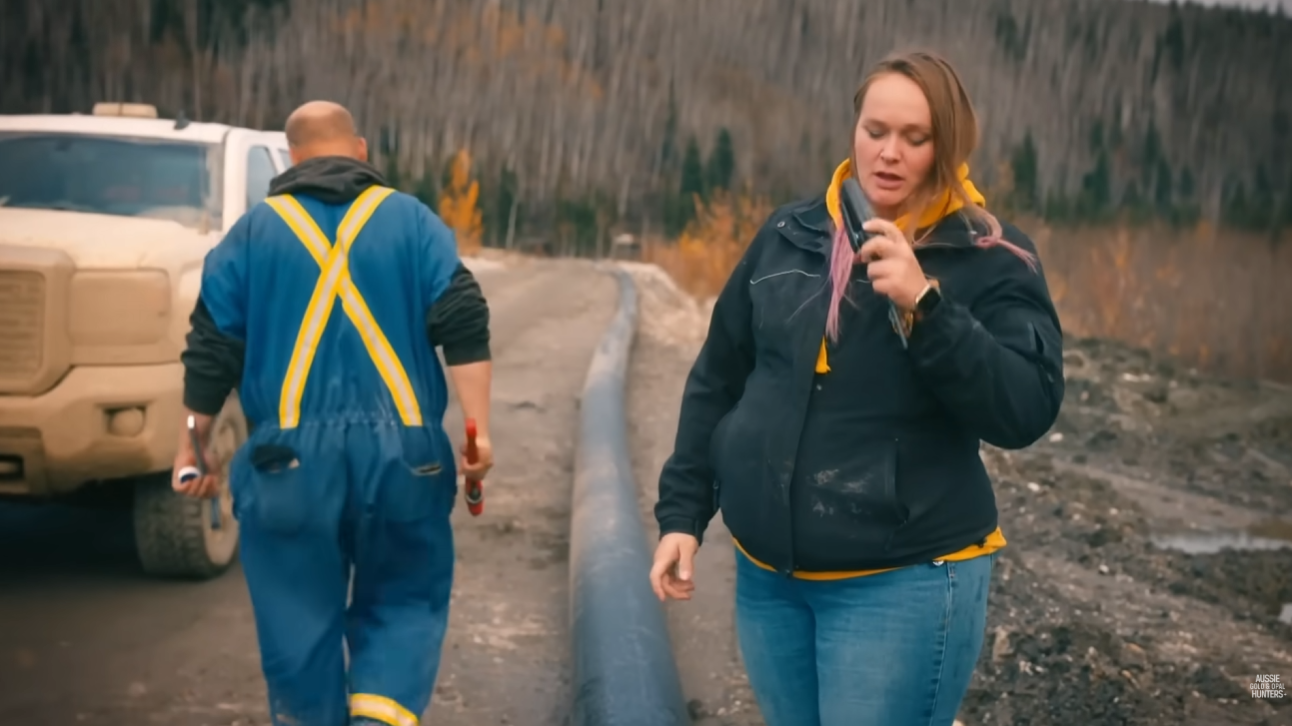
Complicating matters, experienced crew members have been reassigned elsewhere, leaving a less seasoned team to execute one of the season’s most technically demanding projects.
Midway through construction, disaster struck when a D6 bulldozer lost stability and slid off the dyke. Although no serious injuries were reported, the incident underscored the physical risks inherent in large-scale Yukon mining.
For Tony, whose season total stands just under 4,000 ounces (approximately $14 million), the infrastructure upgrade could determine whether Paradise Hill surges forward or remains mired in delays.
Kevin’s Quiet Climb
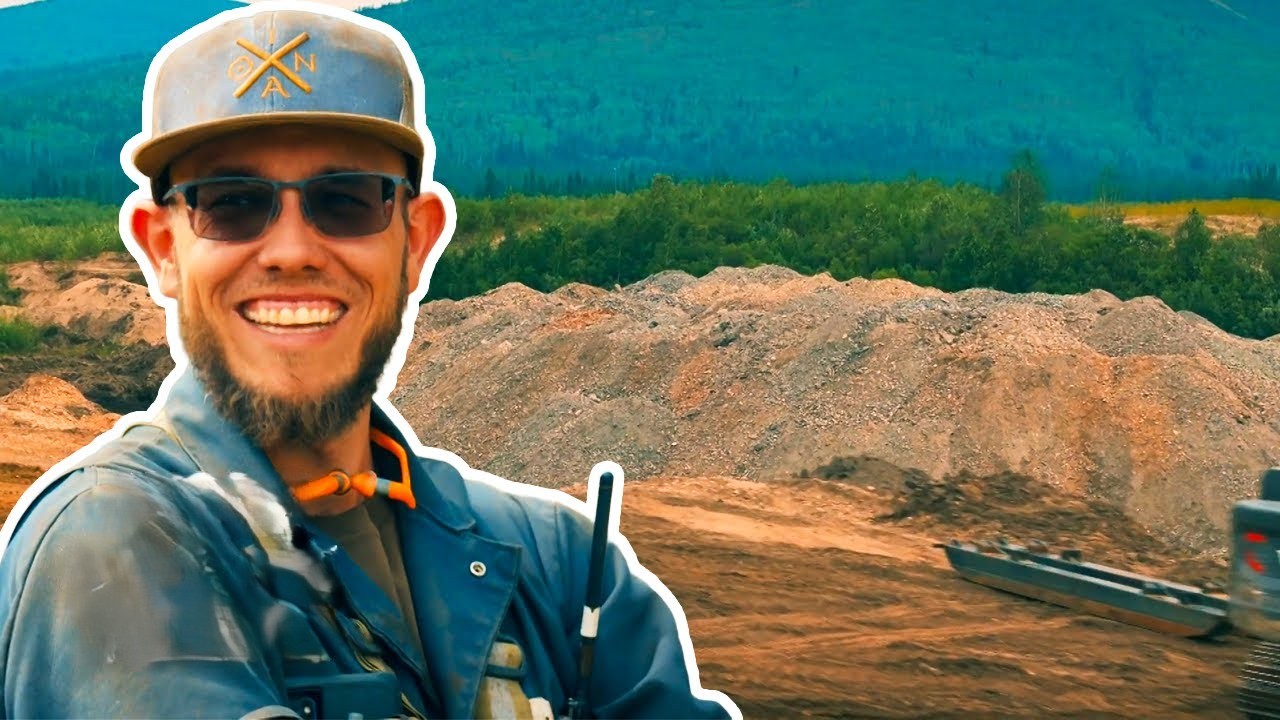
Meanwhile, Kevin Beets continues building momentum in his second season as an independent operator. With nearly 600 ounces mined — valued at around $2 million — Kevin remains well behind Parker and Tony in total output, but his progress represents steady growth.
Operating on a smaller scale, Kevin’s challenge is sustainability rather than dominance. Each ounce adds credibility to his effort to step out from his father’s shadow and establish his own footing within the Yukon mining landscape.
The Leaderboard Tightens
As winter approaches, the scoreboard highlights both opportunity and fragility:
-
Parker Schnabel: ~6,000 ounces (~$20 million)
-
Tony Beets: ~4,000 ounces (~$14 million)
-
Kevin Beets: ~600 ounces (~$2 million)
-
Rick Ness: ~400 ounces (~$1.5 million)
While Parker remains ahead, the production slump has narrowed his margin for complacency. Tony balances infrastructure risk with high-volume potential. Kevin builds incremental credibility. Rick bets heavily on a single strategic pivot.
A Defining Moment
Episode 13 reinforces a recurring truth in Yukon mining: scale offers power, but resilience determines survival.
Whether through leadership reshuffles, million-dollar land acquisitions or high-risk engineering solutions, each miner is confronting a season-defining crossroads. With limited weeks remaining and the freeze drawing closer, production must accelerate or ambitions will stall.
In the unforgiving world of placer mining, fortune may favour bold decisions — but only disciplined execution will carry crews safely to the season’s end.