Night Shift Pays Off at Scribner Creek as Kevin’s Season Finds New Momentum After Costly Breakdown


A high-risk decision to extend operations into the night has delivered a dramatic turnaround for Kevin’s mining operation at Scribner Creek, transforming a struggling gold season into one showing renewed momentum.
With an annual target of 1,000 ounces looming and limited time left in the season, Kevin made the call to double production hours by introducing a night shift. The logic was simple: if the plant could run twice as long, it could process twice as much pay dirt — and, in theory, produce twice the gold.
But the plan placed immediate pressure on the crew, particularly on Kaden Foot, a new recruit who had been on site for just two weeks. Assigned to operate the plant alone overnight, Kaden was responsible for keeping the system running at 150 yards an hour, feeding pay dirt into the hopper and clearing tailings every eight minutes.
Operating machinery in near-total darkness brought significant challenges. Visibility was limited, fatigue set in quickly, and isolation heightened the risks. Wildlife was an ever-present concern, and with no immediate backup available, safety depended entirely on staying alert.
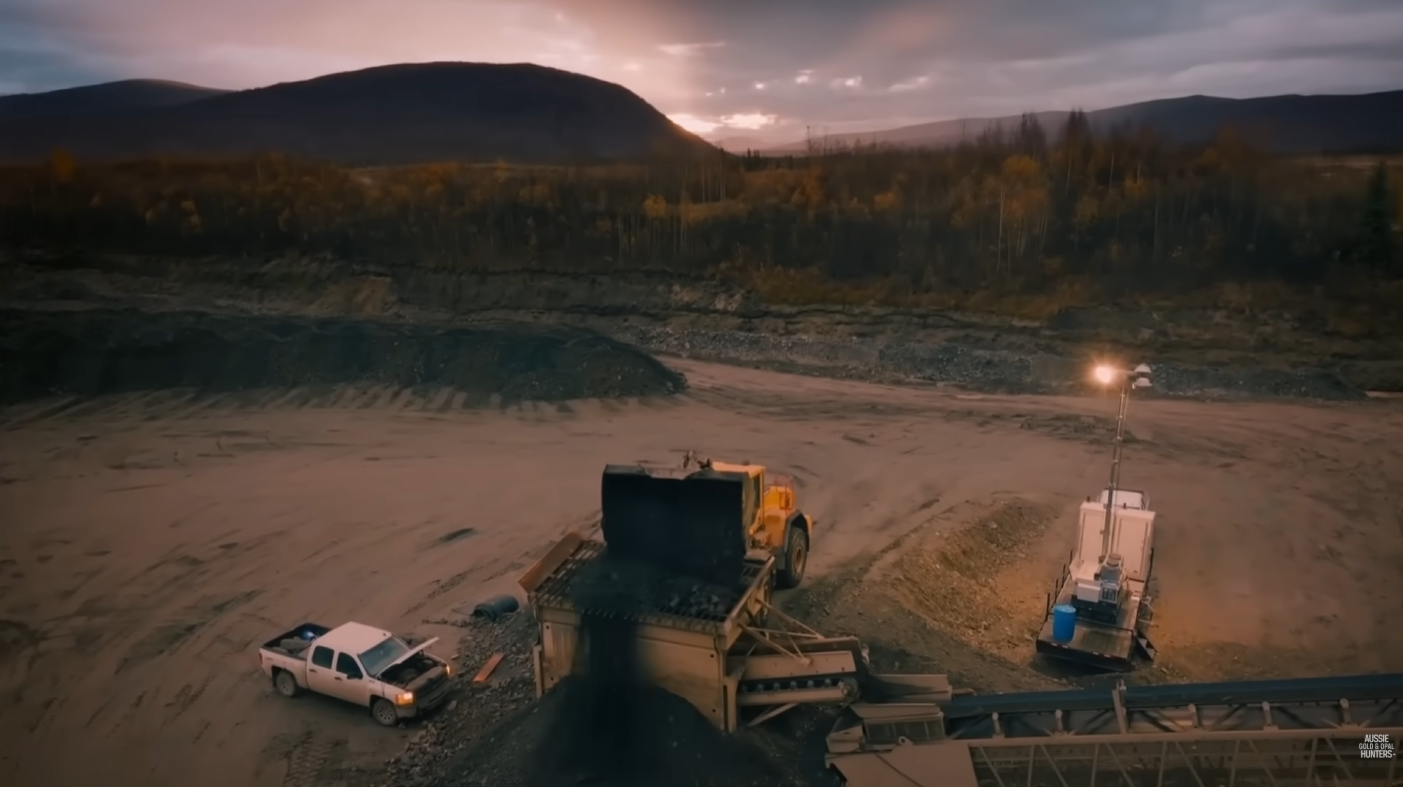
“It’s stressful,” Kaden admitted. “You’re tired, it’s dark, and if something happens out here at night, no one will find you until morning.”
As Kaden neared the end of his first night shift, the operation suffered a critical failure. The conveyor feeding the plant stopped moving material, threatening to send the entire night’s haul into the settling ponds and undo hours of work.
An inspection revealed the problem: the hopper feeder’s 12-ton belt had split under the weight of pay dirt piling up above it. The tear ran along the zipper seam, rendering the belt unusable and forcing an immediate shutdown.
Kevin later explained that the failure was not caused by operator error. The belt had shown signs of wear for some time, including visible cracking, and the added strain from extended hours finally pushed it beyond its limit.

With no quick repair possible overnight, the night shift was shut down and Kaden was sent to rest. The consequences were passed on to the day crew, who arrived to find nearly 12 tons of compacted material blocking the hopper.
Before any repairs could begin, the crew faced hours of heavy manual labour, shovelling out the accumulated dirt by hand. Frustration was evident, particularly as the downtime continued to mount. In total, the operation lost approximately 16 hours of sluicing time.
Despite the setback, Kevin maintained perspective, describing the incident as an unavoidable part of mining operations. “It’s nobody’s fault,” he said. “Things were set up for success, but this is what mining looks like.”
Once the hopper was cleared, attention turned to repairing the damaged belt. With time critical, the crew carried out a temporary fix in the field, realigning the belt and installing new clips to restore functionality without cutting the material.
By the time repairs were completed, the plant was ready to restart — just in time for Kaden to return to night duty.

Although he expressed some guilt over the extra workload placed on the day crew, Kaden remained confident in his handling of the situation. “It’s not my fault it broke,” he said. “It’s just part of how it goes.”
Kevin backed the decision to keep Kaden on nights, praising his awareness and calm response during the breakdown. “He spotted the problem and did everything he could,” Kevin said. “There’s nothing else he could have done.”
With the plant running again, the extended schedule finally began to show results.
The previous week’s gold weigh had delivered just 33 ounces, raising concerns about the season’s viability. This time, the numbers told a very different story. The latest weigh-in produced more than 122 ounces of gold, valued at approximately $36,000.

Combined with earlier totals, Kevin’s season tally rose to 155.4 ounces — more than four times the previous week’s output.
The improvement marked a pivotal moment for the crew, validating the decision to run split shifts despite early losses. “Coming off a 30-ounce week and pushing past 120 shows what this crew is capable of,” Kevin said.
With both day and night teams now settled into a demanding rhythm, Scribner Creek enters the next stage of the season with renewed confidence. While mechanical risks and long hours remain, the operation has demonstrated that persistence — even after costly setbacks — can still deliver meaningful gains.
For Kevin and his crew, the night shift plan may yet prove essential in keeping the season on track.