Parker Schnabel has reached one of the biggest milestones of his mining career after his crew finally pushed past the 10,000-ounce mark in a tense late-season run on Gold Rush.
The achievement came after weeks of pressure, mechanical problems and difficult conditions as winter closed in on the Yukon operation. For Parker, who had set the ambitious target at the start of the season, the final stretch became a test of endurance for both his crew and his equipment.
At the centre of the push was a simple reality: time was running out. With colder weather moving in and the season nearing its end, Parker’s operation had only a narrow window left to turn pay dirt into gold. The team had already produced more than 9,500 ounces, but the final few hundred ounces proved far from easy.
The crew entered the key week needing just over 430 ounces to reach the 10,000-ounce target. Parker had four wash plants working across his claims, including Bob, Big Red, Golden Goose and Roxanne. The strategy was clear: keep every plant running, move as much material as possible, and avoid any breakdown that could cost them the goal.
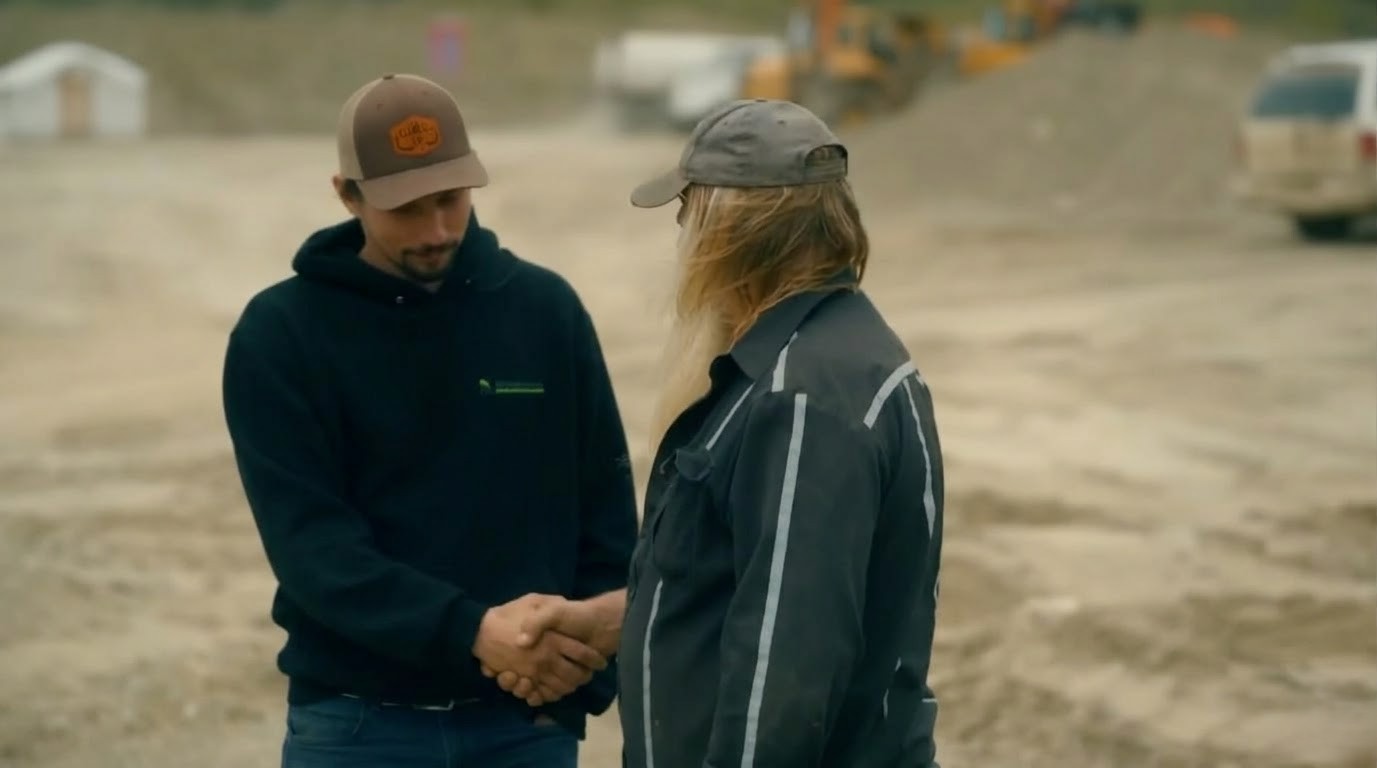
But that plan was quickly tested when Roxanne, one of the operation’s vital wash plants, developed serious cracks in its structure. The plant was only two years old, but the heavy pace of the season had already taken its toll. Taking it offline for a proper repair could have cost the team two full days, a delay Parker could barely afford.
Instead, the crew chose a temporary fix, patching the plant well enough to keep it running through the final week. It was a risky decision, but with gold prices climbing and the season nearly over, every hour of sluicing mattered.
The repair job brought its own challenge when crew member Alec suffered a painful foot injury while welding. After receiving treatment on site, he returned to work and helped get Roxanne back into operation. His decision to carry on underlined the pressure inside Parker’s camp, where every member of the team knew how close they were to a landmark result.
The problems did not end there. Big Red also ran into trouble when mud caused issues with the radial stacker belt. Without a fast fix, the plant could have stopped feeding material properly, slowing the entire operation at the worst possible time.
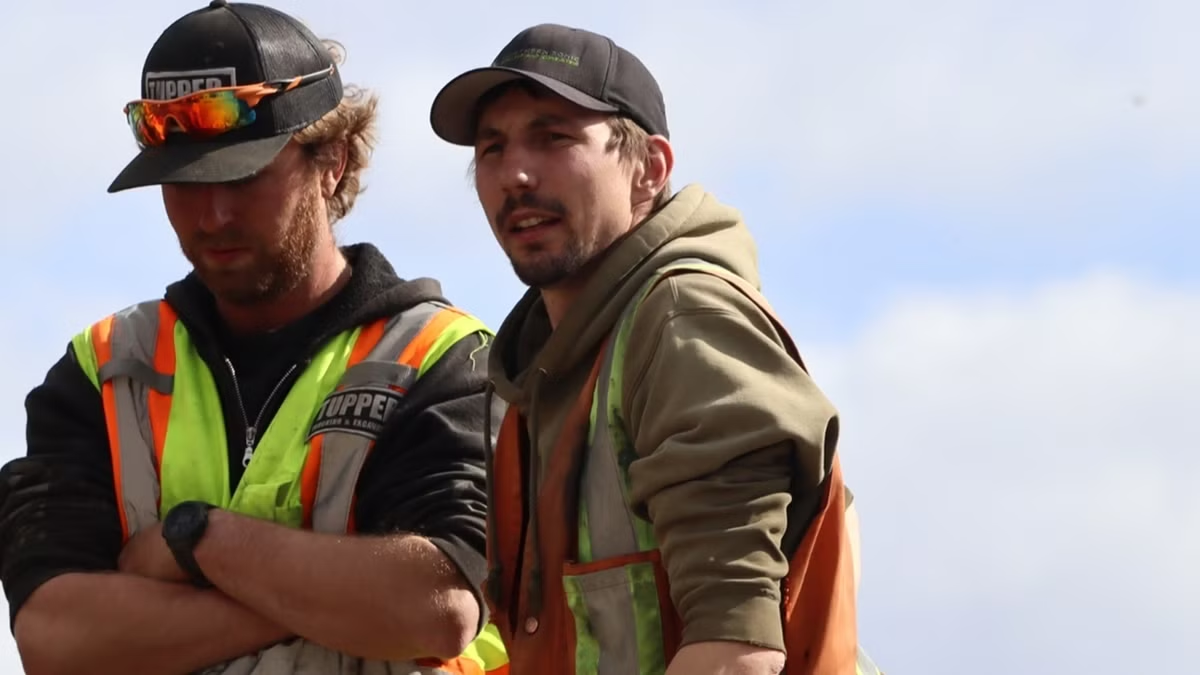
Rather than waiting for equipment that was not immediately available, the crew came up with an improvised solution. They carefully shifted the 120-foot radial stacker back by a few inches to stop material from building up in the wrong place. The move was delicate and could have gone badly if the stacker became unstable, but the crew pulled it off.
With Big Red back in action and Roxanne patched together, Parker’s team returned to the main mission: keeping the plants running long enough to hit the target.
When weigh-in finally arrived, the pressure was clear. The bridge cut brought in 127.35 ounces from Bob. Roxanne added 133.9 ounces. That left the Golden Mile plants, Big Red and Golden Goose, to decide whether Parker would finally reach his goal.
The result was enough. The Golden Mile delivered more than 258 ounces, with the crew later adding a symbolic one-ounce golden egg from the Golden Goose. That brought the weekly total to 520.4 ounces and pushed Parker’s season total to 10,089.85 ounces.
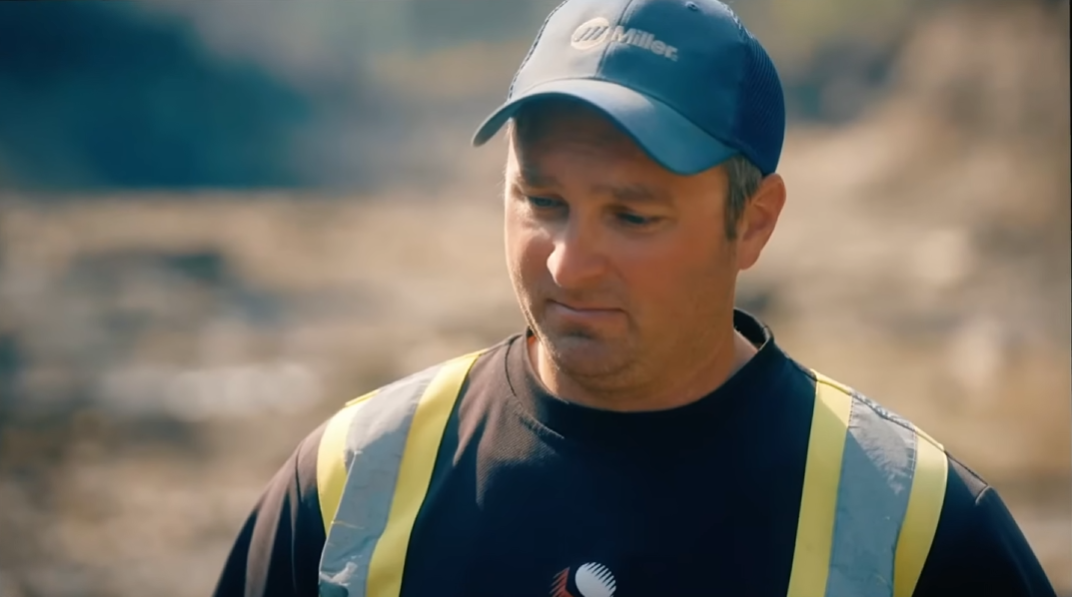
For the first time, Parker had crossed the 10,000-ounce line in a single season. The haul was valued at more than $38 million, marking a huge personal and professional achievement for the 31-year-old mine boss.
The milestone was especially meaningful because Parker had previously set the same target and fallen short. This time, despite failing equipment, cold weather and mounting pressure, his team delivered when it mattered most.
The result also highlights how much Parker’s operation has grown. Running multiple wash plants across different cuts requires more than ambition. It demands logistics, experienced crew members, constant repairs and the ability to make difficult decisions quickly. This season showed that Parker’s business is no longer just a young miner chasing a dream. It is a large-scale operation capable of producing at an elite level.

Still, the final week also revealed the cost of that success. The wash plants were pushed to their limits, repairs became increasingly urgent, and the crew had to work through difficult conditions to keep production alive. Parker’s 10,000-ounce season was not simply a story of gold on the scale. It was a story of pressure, teamwork and the constant fight to keep a mining operation moving.
After reaching the goal, Parker made it clear that the season was not necessarily over. With time still left and the plants still running, he suggested the crew could continue sluicing and make up for the previous year’s missed target.
For Gold Rush viewers, the moment marks one of Parker Schnabel’s defining achievements. After months of work and a final push filled with problems, his crew delivered a result that will stand as one of the biggest moments of his career.