
The Klondike gold fields are witnessing one of the most remarkable mining seasons in recent memory as crews featured in Gold Rush push production to extraordinary levels. With gold prices hovering around $3,500 per ounce, the stakes have rarely been higher, and the latest episode of Season 16 highlights just how dramatic the race has become.
For miners across the Yukon, the surge in gold prices has transformed every ounce recovered into a significant financial reward. What might once have been considered a modest cleanup can now translate into hundreds of thousands of dollars.
At the centre of the action is Parker Schnabel, whose large-scale operation continues to expand across several claims. His team has been working relentlessly across new ground in an effort to maintain strong production while controlling the immense costs required to run such a massive mining enterprise.
Operating multiple wash plants, heavy machinery, and large crews around the clock means that the financial pressure remains constant. Every week of downtime or poor ground can quickly turn profitable operations into costly setbacks.

However, recent cleanups suggest Parker’s strategy may be paying off.
One of the most important developments comes from the Golden Mile, a stretch of land long believed to contain rich pay dirt. Parker recently brought his wash plant Sluicifer online in the area for the first time this season.
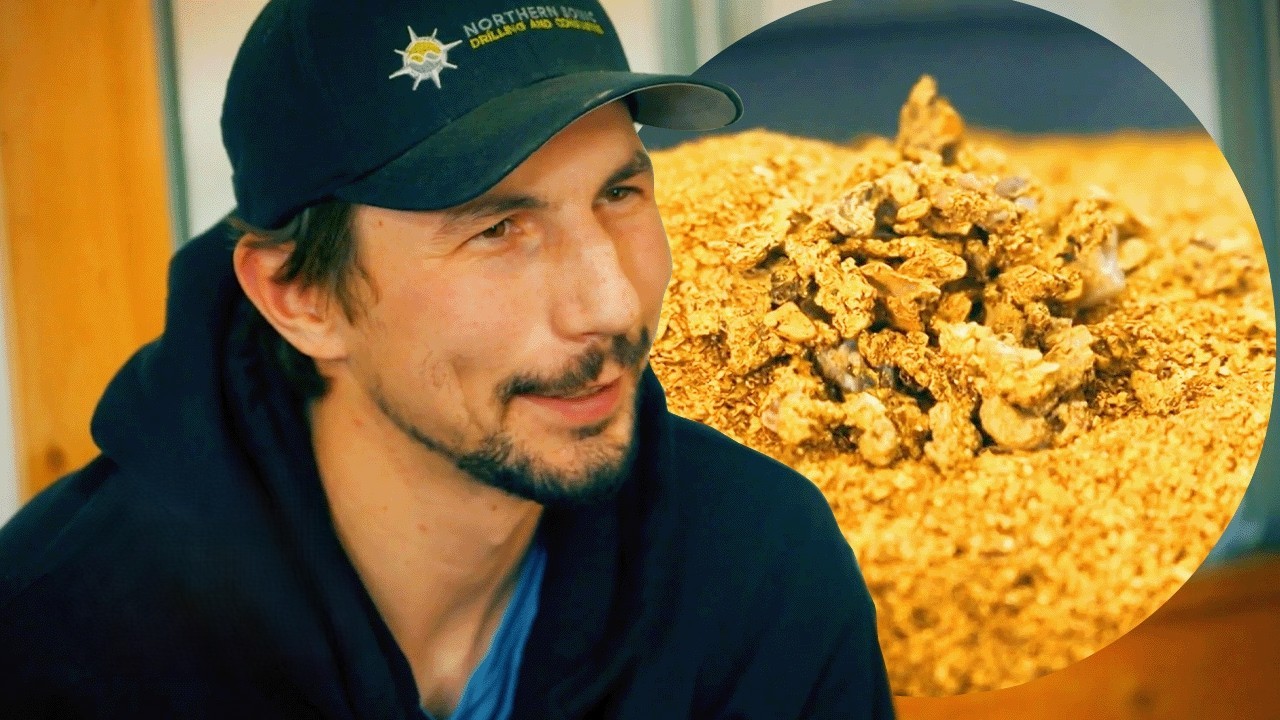
The early results were encouraging. After just three days of steady operation, the crew gathered for a cleanup that revealed 125.8 ounces of gold. At current market prices, that haul represents more than $440,000 recovered in only 72 hours.
For Parker and his crew, the result offered confirmation that the new cut holds real potential.
Elsewhere in Parker’s operation, additional ground is also producing strong numbers. At Sulfur Creek, an area previously believed to be nearly exhausted by earlier miners, the team uncovered 114.8 ounces during its first run of the season.
The result was particularly significant because the site had once been considered largely depleted. Instead, the discovery suggests that overlooked pay dirt may still remain in ground abandoned decades ago.
Across all of Parker’s active wash plants, weekly production reached an impressive 527.12 ounces — worth more than $1.8 million at current prices.

The performance has pushed Parker’s seasonal total to approximately 1,235 ounces, placing him far ahead of where his operation stood at the same point last year.
Meanwhile, veteran miner Tony Beets continues to deliver strong production from his Indian River claim.
Tony has set an ambitious goal for the season: recovering 6,500 ounces of gold. So far, his crews have already produced hundreds of ounces as they push to maintain steady output early in the mining calendar.
A recent cleanup from the Indian River early bird cut produced 214.6 ounces. Although slightly below the target Tony had set for that section, the result still represents gold worth roughly three quarters of a million dollars at current prices.
Tony’s overall seasonal total now stands at more than 600 ounces, keeping him firmly in the race.
However, the road has not been entirely smooth. Equipment failures and flooded cuts have slowed progress at times, forcing the crew to halt operations briefly for repairs.
Even minor mechanical issues can quickly escalate into major delays when working in the remote and challenging conditions of the Yukon.
The situation is similar for Kevin Beets, who has been working through stockpiled pay dirt while attempting to keep pace with weekly production targets. One recent cleanup delivered 48.46 ounces — a respectable amount, though below the level needed to maintain his long-term goal.
Despite the challenges, the overall picture emerging from the Klondike is one of exceptional productivity.
The combination of strong ground and record gold prices has created a rare moment where mining operations can generate enormous returns — provided the crews can keep their machinery running and avoid costly setbacks.
Yet behind the impressive gold totals lies the harsh reality of life in the Yukon.
Mining operations require constant attention, from managing equipment breakdowns to navigating unpredictable weather and frozen ground. Fuel, maintenance, and payroll expenses continue to accumulate regardless of how much gold is recovered.

Even a single major mechanical failure can erase weeks of profits.
The physical and mental strain on crews is equally significant. Long days operating heavy machinery under the near-constant daylight of the northern summer leave little time for rest.
Yet despite the pressure, the lure of gold continues to drive the crews forward.
For Parker Schnabel and Tony Beets in particular, Season 16 is shaping up to be one of the most productive chapters in their mining careers.
With weeks of mining still ahead before the Yukon winter returns, the final outcome of the season remains uncertain.
But if current production continues, this year could become one of the most memorable in the history of the Klondike gold fields.
