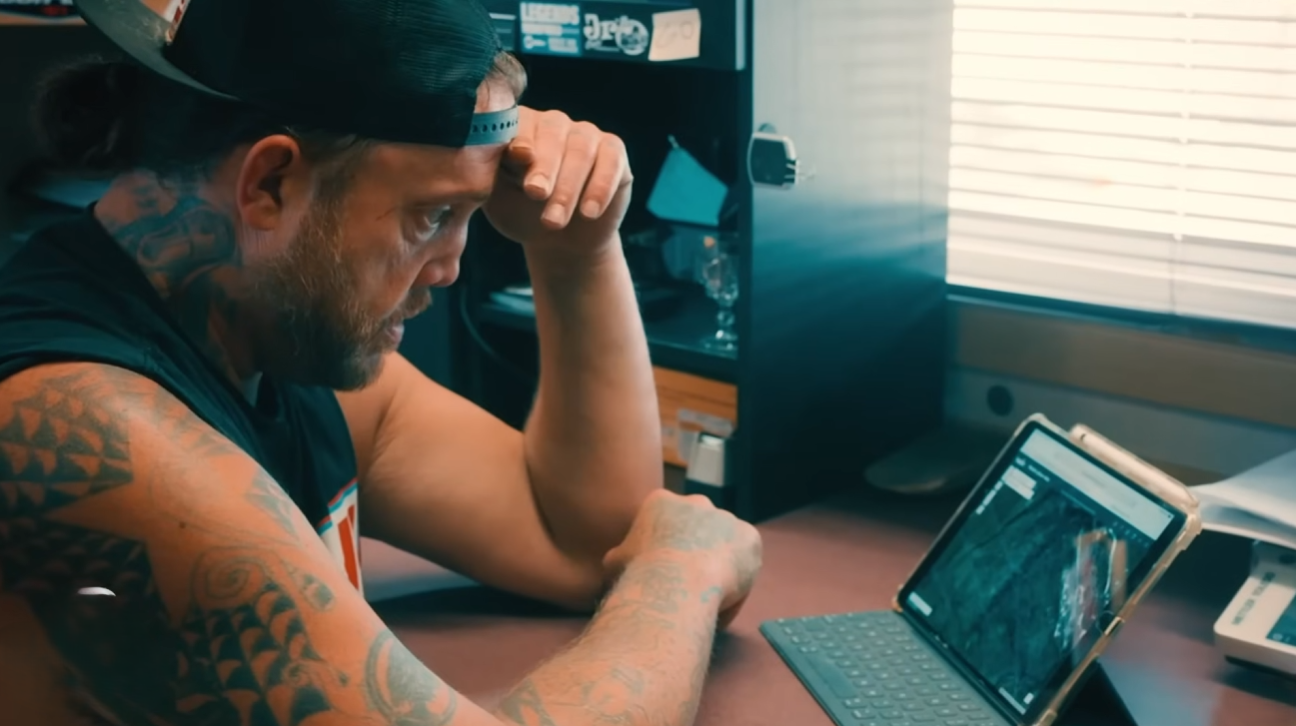
In the Yukon, where every ounce of gold is earned through grit rather than fortune, Rick Ness began this mining season knowing the margin for error would be thinner than ever. Experience had taught him that gold mining is rarely about striking it rich overnight. Instead, it is a constant battle against mechanical failures, financial strain, unpredictable weather, and the relentless pressure of keeping an operation alive long enough to reach its target.
From the opening days, Ness’s season failed to gain momentum. Hydraulic lines split without warning, conveyor belts jammed mid-shift, and the wash plant—the heart of the entire operation—suffered repeated breakdowns. Each stoppage brought production to a halt, while costs continued to mount. Fuel, repairs, wages, and land payments drained resources quickly, and early clean-ups delivered gold totals far below expectations.
Compounding the problem was a reduced crew. With fewer hands on site, remaining workers were forced to cover multiple roles, stretching both stamina and patience. Ness had committed to a deep cut of ground believed to hold promise, but without consistent gold returns, the decision began to feel increasingly risky.
As the pressure intensified, landowner Troy Taylor presented Ness with a pivotal choice: purchase the claim outright for around $250,000—roughly the value of 150 ounces of gold—or continue renting, with the risk of losing access in the future. Owning the land would eliminate rent and secure long-term control, but the timing could hardly have been worse. Investing heavily while weekly gold numbers lagged threatened to push the operation beyond its financial limits.
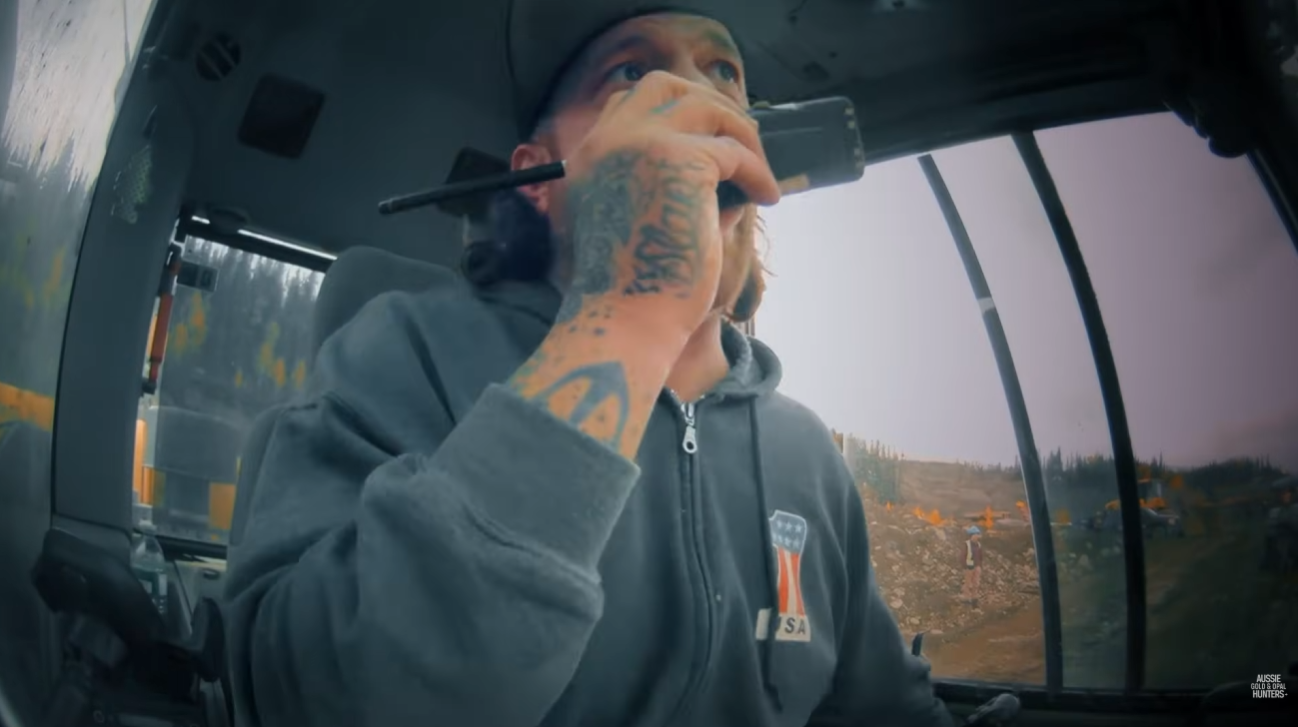
While Ness weighed that decision, mechanical problems continued to pile up. When the wash plant suffered another major failure, Ness turned to the person he trusted most—his father. Arriving on site, he immediately joined the crew, working alongside them to stabilise the operation. His experience proved invaluable, guiding repairs, organising workflow, and helping the team stay focused under pressure.
That guidance was tested when a critical hydraulic line on an excavator cracked, bringing digging to a standstill. Ness and his father worked long hours in freezing conditions to repair the machine, knowing that extended downtime could undo an entire week’s progress. Their success restored momentum, but the sense of fragility remained.
As the season dragged on, challenges became routine. Flooded pits, frozen pipes, missing components, and exhausted workers defined daily life at the mine. Yet, small moments of progress kept the team moving. A surprise test dig by crew member Brennan uncovered gold in an unplanned area soon nicknamed the “bacon strip,” offering a morale boost when it was most needed.
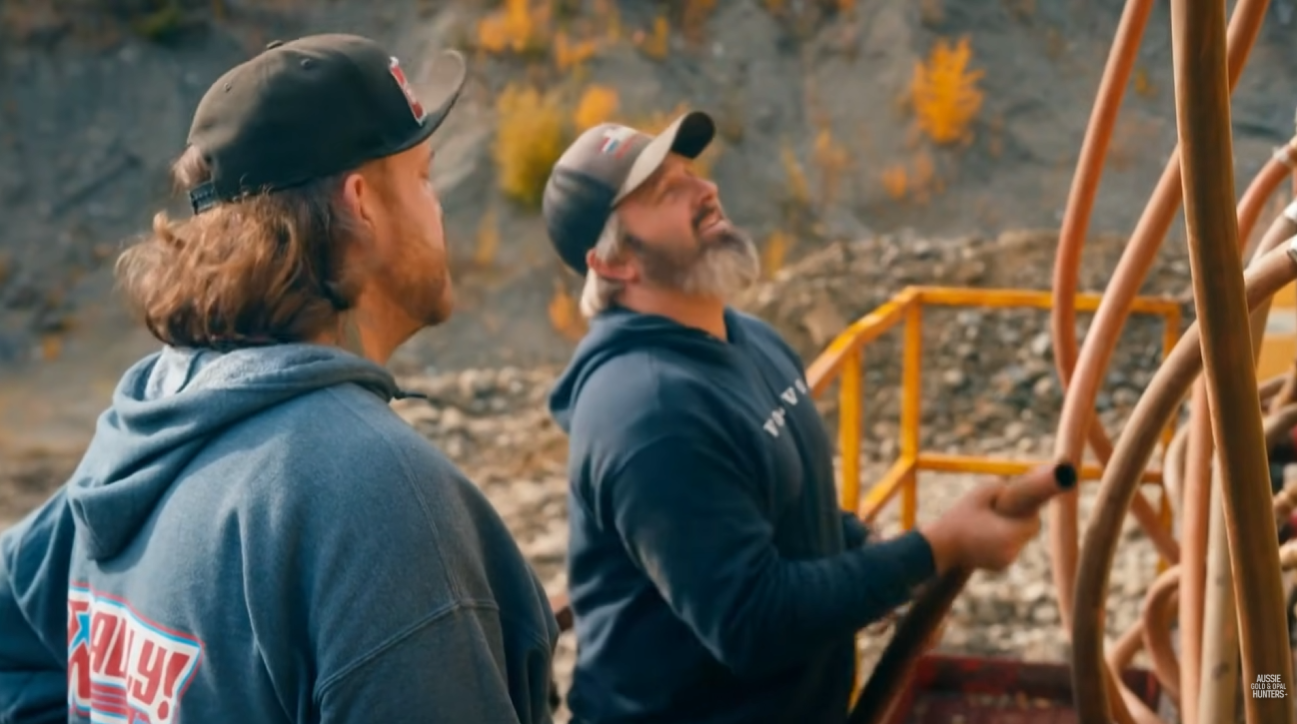
The relief was short-lived. A rock truck became stuck, halting operations, while the sudden absence of a driver forced the crew to improvise. In an unexpected turn, a crew member’s partner stepped in and proved capable behind the wheel, underscoring how adaptability often makes the difference in mining.
Water soon emerged as the season’s most persistent threat. Cracks in the wash plant allowed flooding to creep into the system, threatening days of lost production. Once again, Ness’s father took charge, coordinating emergency repairs that kept gold flowing. Later, worsening flooding in the pit forced Ness to rent a powerful pump at significant cost. The expense was steep, but without it, valuable pay dirt would have remained unreachable.
Despite the setbacks, improvements followed. Expert mechanics Freddy Dodge and Juan Ibarra arrived to overhaul worn components, restoring efficiency to the wash plant. Encouraged, Ness made another calculated move—digging deeper into ground previously considered unproductive. Large rocks soon appeared, often a promising sign, and test pans confirmed the presence of nuggets.
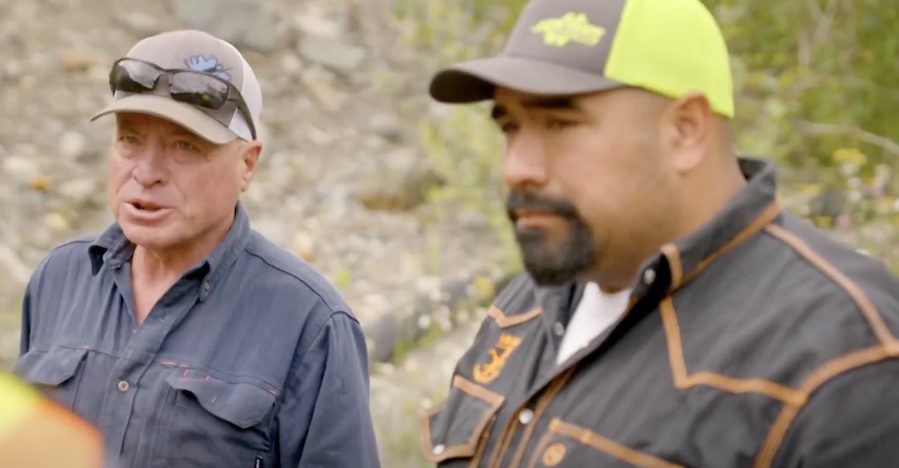
As winter edged closer, Ness raised the stakes again by running two wash plants simultaneously. The decision increased production potential but placed heavy responsibility on a less experienced crew member tasked with managing one of the systems alone. The gamble paid off, with both plants operating steadily during a critical phase of the season.
By this stage, the pattern of the season was clear. Progress did not come from one decisive breakthrough, but from persistence, teamwork, and constant problem-solving. Each repair, each test pan, and each successful cleanup represented survival rather than triumph.
With freezing temperatures approaching, Ness understood that the final stretch would define the outcome. Every machine failure, every financial decision, and every ounce recovered carried greater significance than ever before. Whether or not the season would ultimately meet its target remained uncertain, but one reality was undeniable: this campaign had become a test of endurance, leadership, and resilience as much as a search for gold.
In the Yukon, where nothing comes easily, Rick Ness and his crew continued to push forward—driven by experience, necessity, and the belief that beneath the frozen ground, the reward was still waiting.