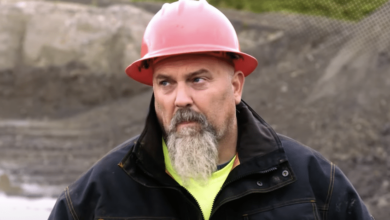
In the latest episode of Gold Rush Season 16, crews across the Yukon faced a cascade of operational challenges, from rising floodwater threatening wash plants to costly equipment mishaps and a bold land purchase that could redefine the trajectory of Rick Ness’s season. With gold totals tightening and targets looming large, every minute—and every ounce—carries new weight.
At Parker Schnabel’s Bridge Cut, thawing conditions triggered a sudden crisis. Meltwater surged into the cut’s drainage ditches and overwhelmed an 8-inch culvert beneath the only access road leading to wash plant Bob. With water backing up and the pay zone at risk of shutdown, foreman Mike was forced into emergency action. Digging up the road, he installed a much larger 36-inch culvert—a precarious maneuver executed under pressure as the water continued to rise.
“We have a lake in here,” Tyson warned, knowing Bob’s production depended entirely on keeping the cut drained. Mike’s successful repair restored flow, saved the cut, and earned praise across the crew. “He stepped up and saved the day,” Tyson concluded. “We just have to keep the gold coming.”
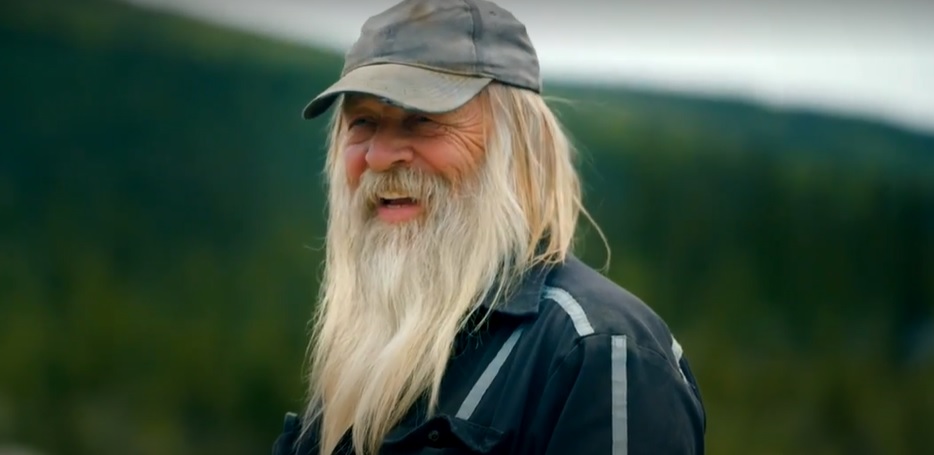
Across the Klondike at Tony Beets’s operation, the problems were equally costly. Another $300,000 rock truck tipped over—this time driven by second-season operator Mason McIntyre. The mishap occurred when the ground beneath him turned unexpectedly soft. Tony, unfazed, used a 480 excavator to empty the truck and push it upright. “Hopefully they learn something,” he remarked. “Part of me is happy it happens to other people—but I feel for the guy.” Mason admitted the flip was “a little scary” but was relieved by Tony’s calm response.
Meanwhile, Rick Ness found himself embroiled in tense negotiations over his new claim at Lightning Creek. Dissatisfied with the contract offered by landlord Troy Taylor—particularly clauses granting Troy wide control over mining decisions—Rick refused to sign. Troy argued the strict terms were necessary to protect his water license, a critical regulatory requirement increasingly difficult to maintain in today’s mining climate.

In a dramatic turn, Rick proposed buying the ground outright. Troy countered with a steep demand: 300 ounces of gold by month’s end. Despite the immense pressure, Rick agreed, effectively purchasing 1,600 acres for the equivalent of $700,000 in gold. “I’m not sure what I just did,” he admitted afterwards. “But I need ground—and this was the only way forward.”
With risks escalating, the episode turned back to production results across the major cuts. Tony’s early bird cut delivered 142.14 ounces, bringing his season total to 774 ounces—still far from his ambitious 6,500-ounce target. Tony acknowledged the shortfall but remained confident: “We’ll get there.”
At Parker’s operation, the outlook was more encouraging. Sluicifer, running in the Golden Mile, produced 152 ounces—up 35 percent from the previous week. Meanwhile, Bob at the Bridge Cut returned 156.2 ounces following the successful flood-control repair. Together, the two plants yielded a combined 308.22 ounces, pushing Parker’s season total to 707.9 and marking a significant jump in weekly performance.
The narrow difference between the two plants—just four ounces—surprised the team and hinted at strong consistency across Parker’s operation. Tyson, who has taken on greater responsibility this season, noted the momentum: “We’re working the kinks out.”
With weather challenges mounting, equipment under constant strain, and major financial commitments hanging over the crews, the miners of Gold Rush face one of their most demanding seasons yet. But from emergency engineering fixes to high-risk business decisions, the latest episode underscores a defining truth of the Klondike: success favors those who act decisively when the ground shifts beneath them.