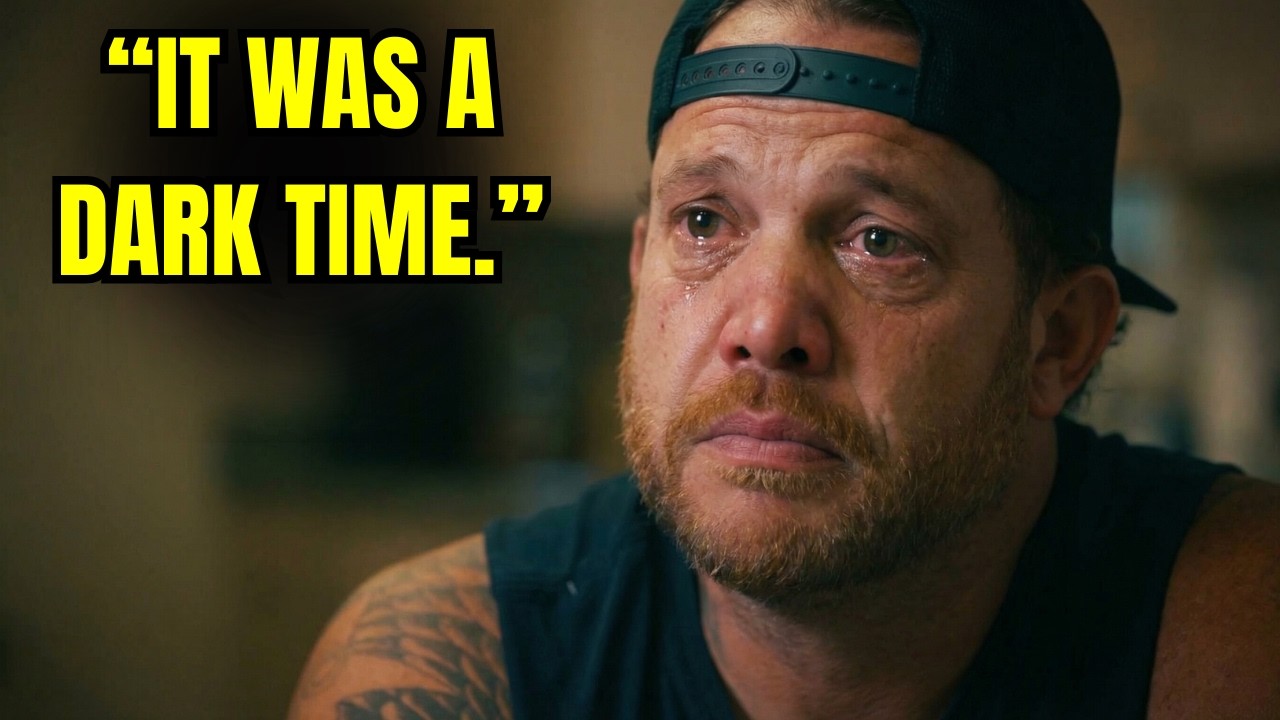
To millions of viewers watching Discovery Channel’s Gold Rush, Rick Ness represents the rugged determination of the Klondike gold fields. With his tattoos, sleeveless shirts and easygoing personality, he became one of the show’s most recognisable figures. But behind the success on television lies a far deeper story of loss, hardship and resilience.
Rick Ness was born on March 5, 1981, in Escanaba, Michigan. His childhood was shaped by family changes after his parents separated, leaving him and his twin brother searching for stability. During his teenage years, Rick focused on sports and dreamed of becoming a professional football player. That ambition ended suddenly when a serious head injury forced him to give up the sport.
After the injury, Rick turned to music. In 2003 he joined the .357 String Band as a bass player, touring internationally and building a career in bluegrass music. His path changed unexpectedly when he met Parker Schnabel at the Southeast Alaska State Fair. That meeting eventually led Rick to the Yukon and into the world of gold mining.
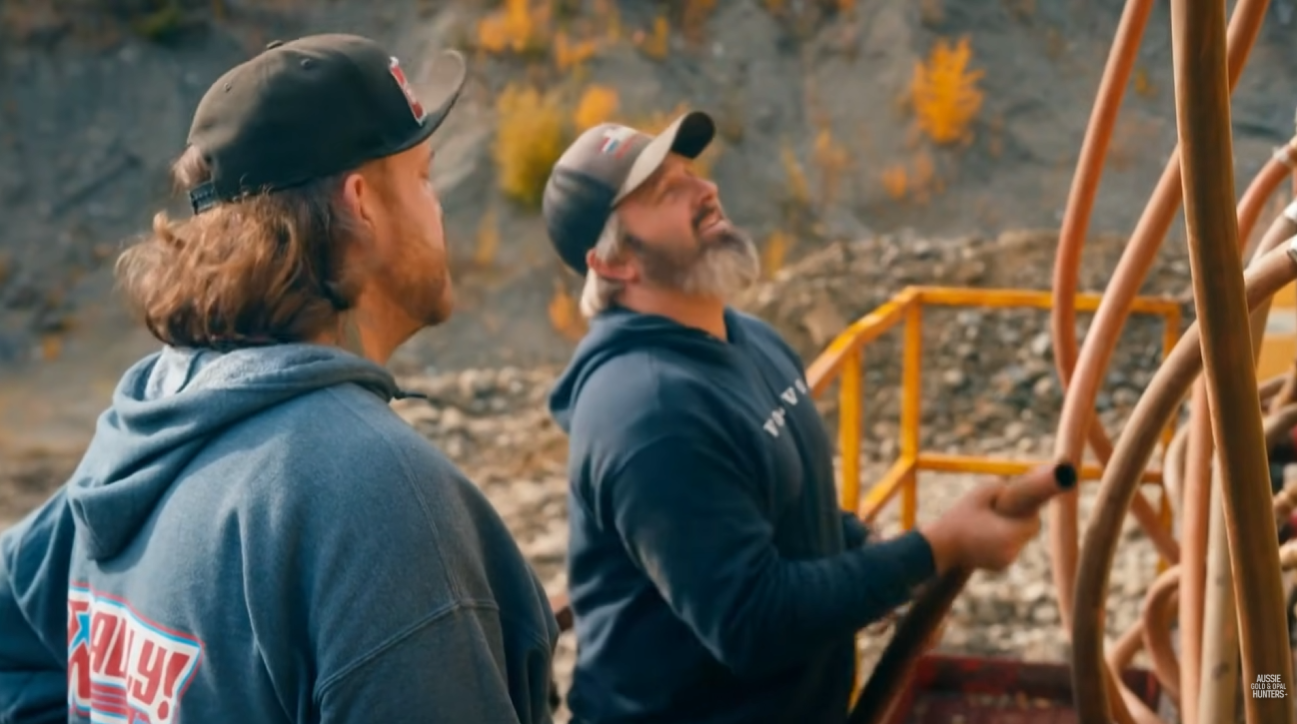
Rick joined Gold Rush in its third season and quickly became a key member of Parker’s crew. Over time he rose to foreman at the Indian River claim before launching his own mining operation in season nine. His first season as a mine boss was historic, delivering one of the strongest debut gold totals ever seen on the show.
However, success in the gold fields did not shield him from personal tragedy. In March 2018, Rick lost his mother, Judy, to cancer. Her death deeply affected him, but the intense pace of the mining season left little time for grieving. The emotional strain combined with the pressures of running a large mining operation began to take a toll on his mental health.
Eventually, Rick stepped away from Gold Rush during season 13. It was later revealed that he had been dealing with seasonal affective disorder, a form of depression linked to the long, dark winters of northern climates. During this difficult period, his engagement also ended, adding further strain to his personal life.
When Rick returned to the Yukon, the comeback was not easy. He restarted his mining operation with limited equipment and a tight budget, even selling his late mother’s house to fund the new season. The decision reflected his determination to rebuild his life and career.
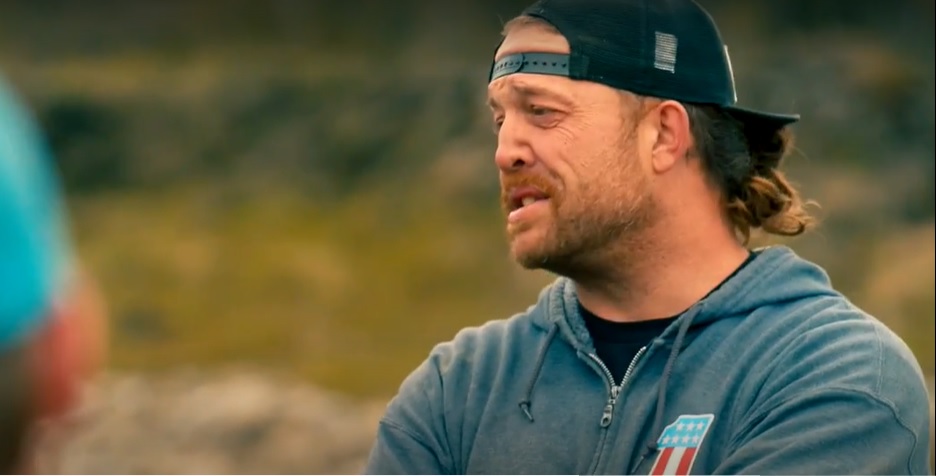
That determination paid off during the 2025–2026 season. After losing his water licence at Duncan Creek, Rick pivoted to new ground at Lightning Creek and Vegas Valley under a demanding lease agreement. Despite mechanical problems and early setbacks, his crew delivered a major breakthrough with a weekly cleanup of more than 256 ounces of gold worth over $670,000.
The result marked one of the most dramatic turnarounds of his career.
Throughout his time on Gold Rush, Rick Ness has proven that leadership in the gold fields requires more than equipment and experience. It demands resilience, honesty and the ability to adapt when things go wrong. He openly accepts responsibility for mistakes and works closely with his crew to find solutions.
Rick’s journey shows that success is rarely a straight path. It is built through setbacks, hard lessons and the courage to keep moving forward.
As new seasons unfold in the Yukon, Rick Ness continues to chase gold. But more importantly, he continues to demonstrate that true strength is measured not by how often someone falls, but by how many times they stand back up and keep digging.
