Rookie Errors, Rising Pressure and a Race for Pay: Turbulence at Tony Beets’ Indian River Operation

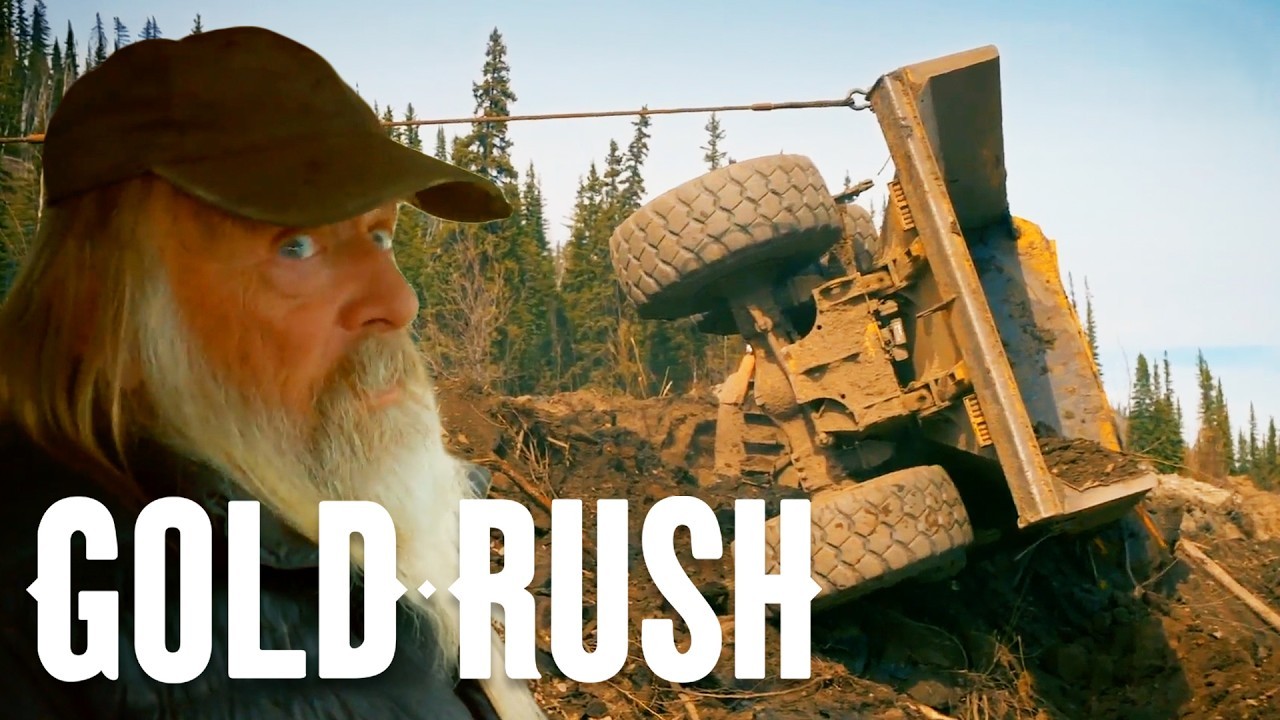
Indian River, Yukon — With gold prices hovering at historic highs and production targets tightening, Tony Beets’ Indian River mine has entered a critical phase of the season — one defined as much by human error as by mechanical ambition.
Five weeks into sluicing, Beets has banked approximately 775 ounces toward a 6,500-ounce seasonal target, relying heavily on Indian River as his primary revenue engine while key personnel remain absent. But a string of rookie missteps has exposed operational vulnerabilities at precisely the wrong moment.
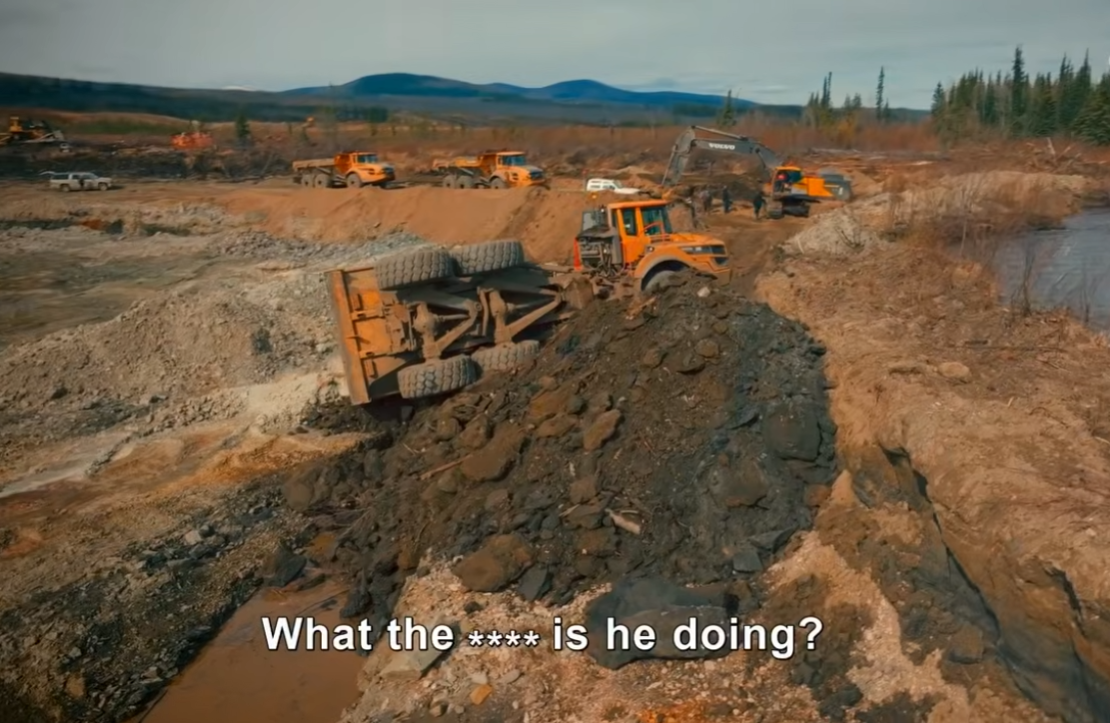
Flipped Truck Halts Production
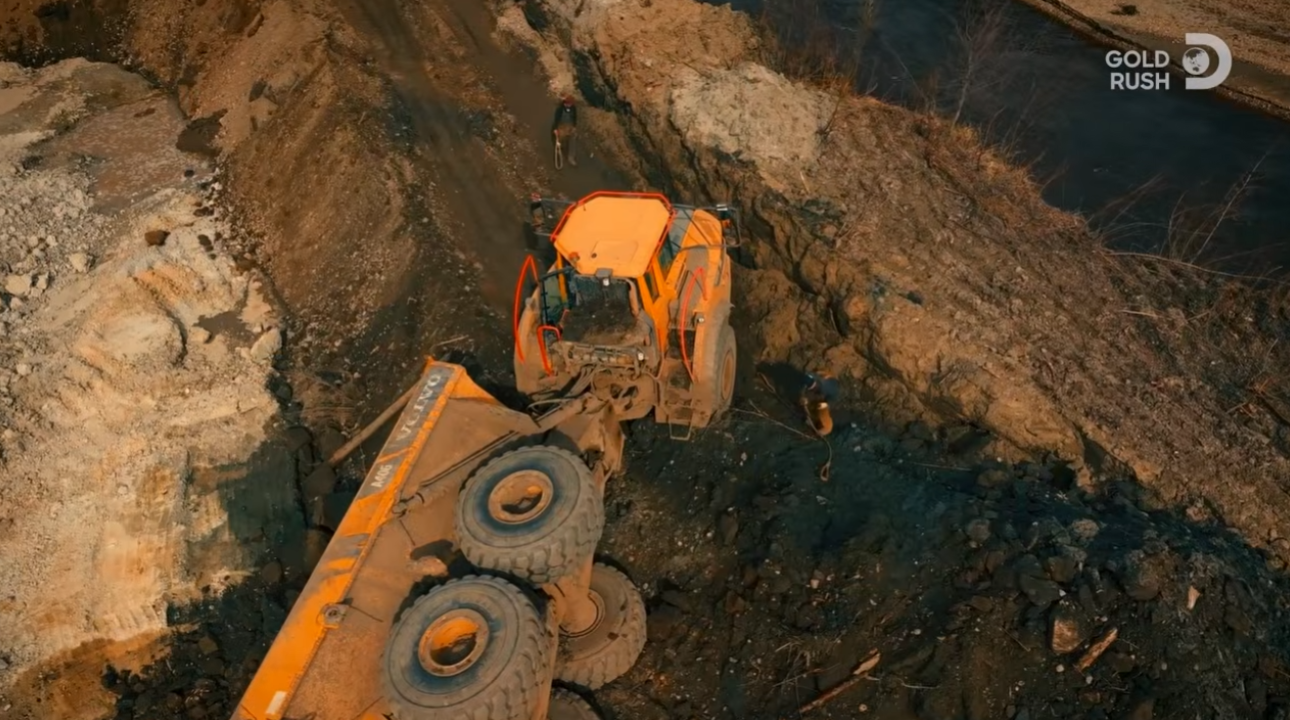
The latest disruption came when a greenhorn driver overturned a rock truck after the box gave way under unstable ground. The incident temporarily halted hauling operations as heavy equipment operator Jacob Moore coordinated recovery using a 480 excavator to right the vehicle.
The extraction was executed smoothly, but the interruption highlighted a broader issue: the learning curve among newly hired drivers.
“We’re a little bit behind,” Beets acknowledged. “We hired 10 new people. Most have never driven a rock truck. There’s a limit to how many times you can tip a truck.”
The warning was blunt. Mistakes are tolerated once. Repeated errors will not be.
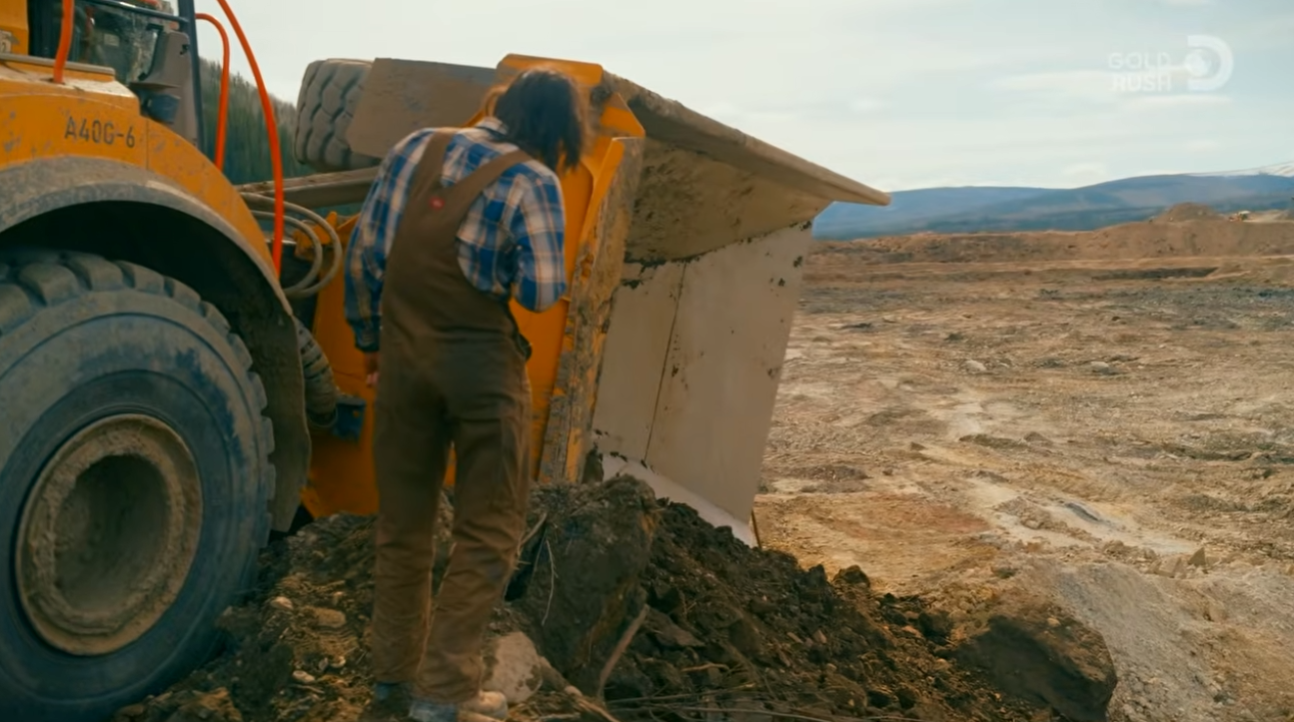
Jacob Moore Steps Into Leadership
With a senior crew member forced to travel abroad, Moore — who joined the Beets team only last season — has been elevated to acting foreman.
The promotion places him in a high-pressure position: balancing production targets, training inexperienced operators, and managing water control across expanding cuts.
His first major test arrived when spring meltwater flooded the 13-acre Early Bird cut, submerging exposed pay. Beets ordered the rapid deployment of a submersible pump connected to 400 feet of pipe to divert water into a mined-out section.
“In an hour, I want to see the pumps pumping,” Beets instructed.
The pump installation proved frustrating, with damaged clips and rusted components slowing progress. But the crew ultimately avoided a more serious setback — an overfilled engine oil system that could have destroyed a $100,000 engine.
The near-miss underscored Beets’ long-standing operational philosophy: double-check everything.
Expansion Plans Intensify Pressure
Simultaneously, Beets is pushing forward on an ambitious expansion of the 46-acre Corner Cut — his largest cut to date. The plan requires stripping a 10-acre section of overburden, 10 feet deep, within seven days to access new pay.
To achieve that, hauling must operate continuously. Idle wash plants represent lost opportunity.
“I don’t want to have this plant sitting idle,” Beets stated. “Open ground is better than money in the bank.”
But inexperienced drivers navigating waterlogged sections have repeatedly tested that goal. At one point, two trucks were seen driving too closely together in hazardous conditions, prompting immediate intervention.
“Next time I say stop, you stop,” one supervisor warned after issuing a verbal reprimand.
The tension reflects a mine caught between training and production. New hires require oversight; gold recovery demands speed.
Supervisory Strain at the Wash Plant
Elsewhere on the claim, attempts to train operators for wash plant duty have cost valuable sluicing time. Supervisors have acknowledged that while mistakes are understandable for newcomers, time constraints leave little room for extended instruction.
“I do not have the time to sit there and watch them,” one foreman admitted.
As a result, management has begun reviewing resumes in search of more experienced equipment operators capable of running independently. Interviews and on-site performance assessments are expected to follow quickly.
Calculated Risk in a High-Value Market
The urgency is amplified by gold’s elevated market value. Every ounce captured now carries outsized financial weight. Conversely, downtime, damaged equipment, or safety incidents carry magnified cost.
Beets’ strategy appears twofold:
-
Expand aggressively to open new pay zones.
-
Cull underperforming personnel if training fails to produce rapid improvement.
The approach is uncompromising but consistent with Beets’ decades-long reputation in the Klondike.
A Mine at a Crossroads
Indian River remains productive, but its stability depends on whether rookie drivers mature quickly enough to meet operational standards.
Heavy machinery, flooded cuts, and tight stripping schedules create an environment where inexperience becomes expensive.
For now, production continues. Pumps are running. Trucks are hauling. The Corner Cut is being stripped.
But with only one primary money-maker active and expansion underway, Beets cannot afford prolonged disruption.
In the Klondike, success hinges not only on the richness of the ground — but on the reliability of the people moving it.