Tensions Rise Across the Klondike as Pay Cuts, Crew Conflict and Equipment Failure Threaten Mining Season

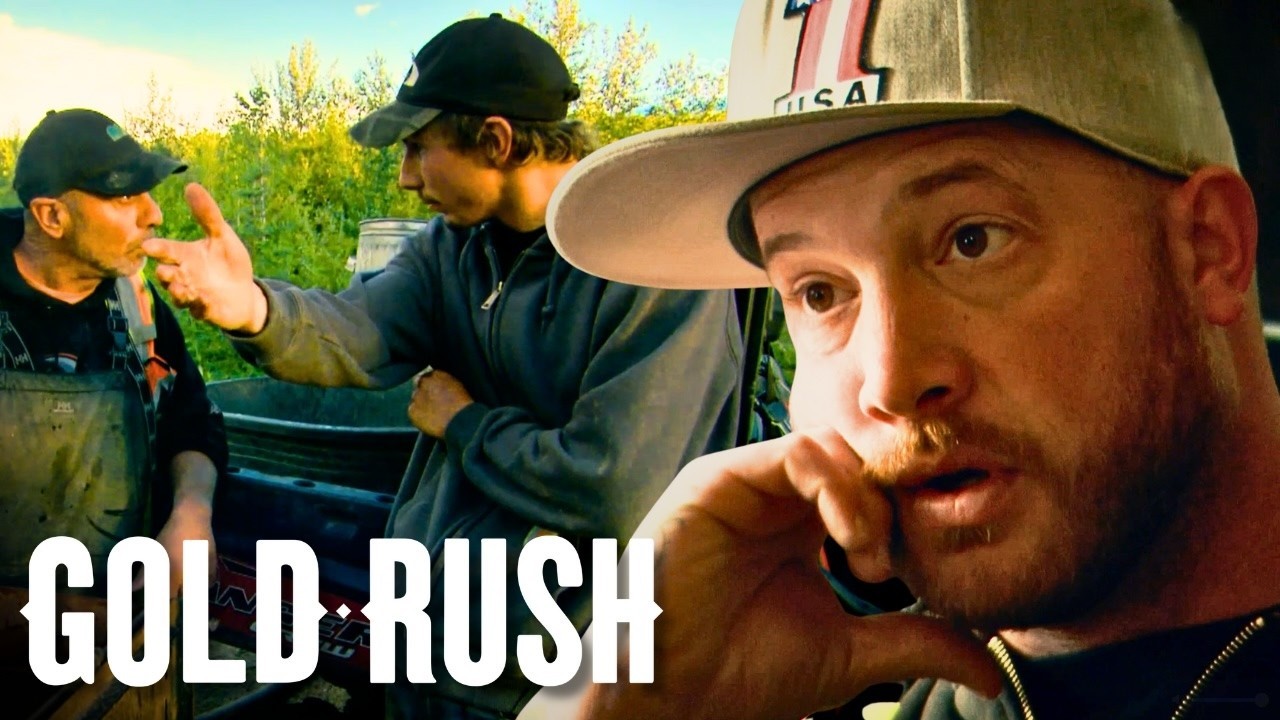
As winter closes in on the Yukon, multiple gold operations are facing internal strain that could reshape their futures. From leadership struggles at Scribner Creek to wage disputes on the Beets dredge and mechanical failure at a rival cut, the season has exposed the fragile balance between ambition, morale and financial reality.
Parker Schnabel Seeks Guidance Amid Crew Frustration
At Scribner Creek, Parker Schnabel had already mined 2,060 ounces of gold — valued at approximately $2.5 million — doubling his previous year’s result. Yet despite the financial success, morale within his crew had eroded.
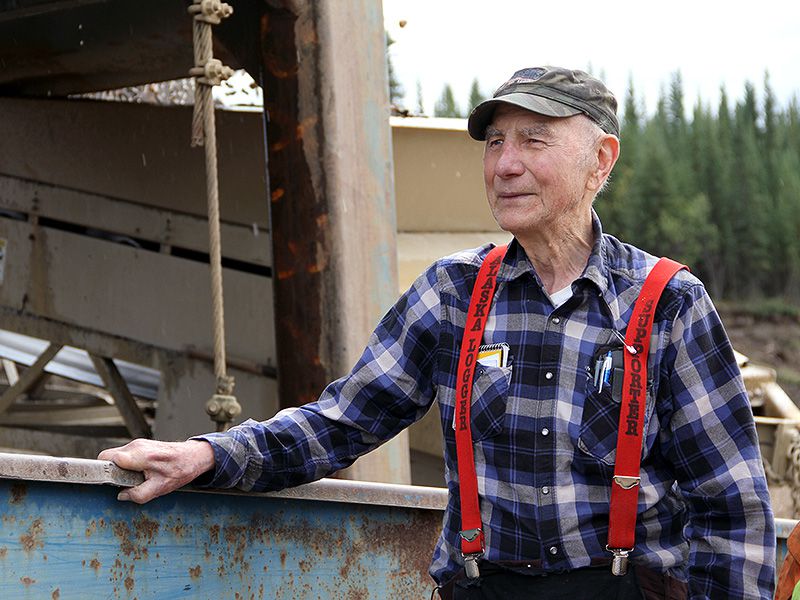
With tensions mounting, Schnabel travelled 600 miles south to Haines, Alaska, to consult his grandfather, mining veteran John Schnabel, then aged 93 and drawing on more than six decades of experience.
John’s message was measured but direct: motivating a crew requires confidence, stability and incentives. “People are attracted by the incentive of getting paid with gold,” he reminded his grandson, urging him not to give up.
Back in the Klondike, however, exhaustion was evident. Crew members openly questioned Schnabel’s leadership style, and friction intensified with the return of Rick Ness, a longtime foreman. A refusal to shake hands between Ness and another crew member symbolised deeper divisions.
Schnabel, determined to secure independence from landowner Tony Beets, asked his team for one final push — 400 additional ounces in a single week, nearly double their strongest previous weekly haul. Despite fatigue, the crew agreed.
“We’re all worn out,” one miner admitted, “but another week, we can do it.”
Whether that unity holds remains uncertain.
Payroll Cuts Trigger Departure on Beets Dredge
Elsewhere, financial restructuring created its own fallout. Minnie Beets ordered a reduction in deckhand hours, cutting shifts from 12 hours to 11 per day in an effort to control overtime expenses.
For deckhand Montana, the cut represented a significant loss of monthly earnings.
“That affects my whole month,” he said. “That’s money I’ve earned.”
Kevin Beets, tasked with delivering the decision, acknowledged the frustration but emphasised the directive was final. Within hours, Montana chose to quit, ending a two-year tenure with the crew.
The departure underscores a broader reality across gold operations: even a single hour’s wage adjustment can influence retention in a business built on seasonal intensity and high-risk reward.
Rick Ness Faces Operational Crisis
While labour disputes unfolded elsewhere, Rick Ness confronted a mechanical setback that halted production entirely.
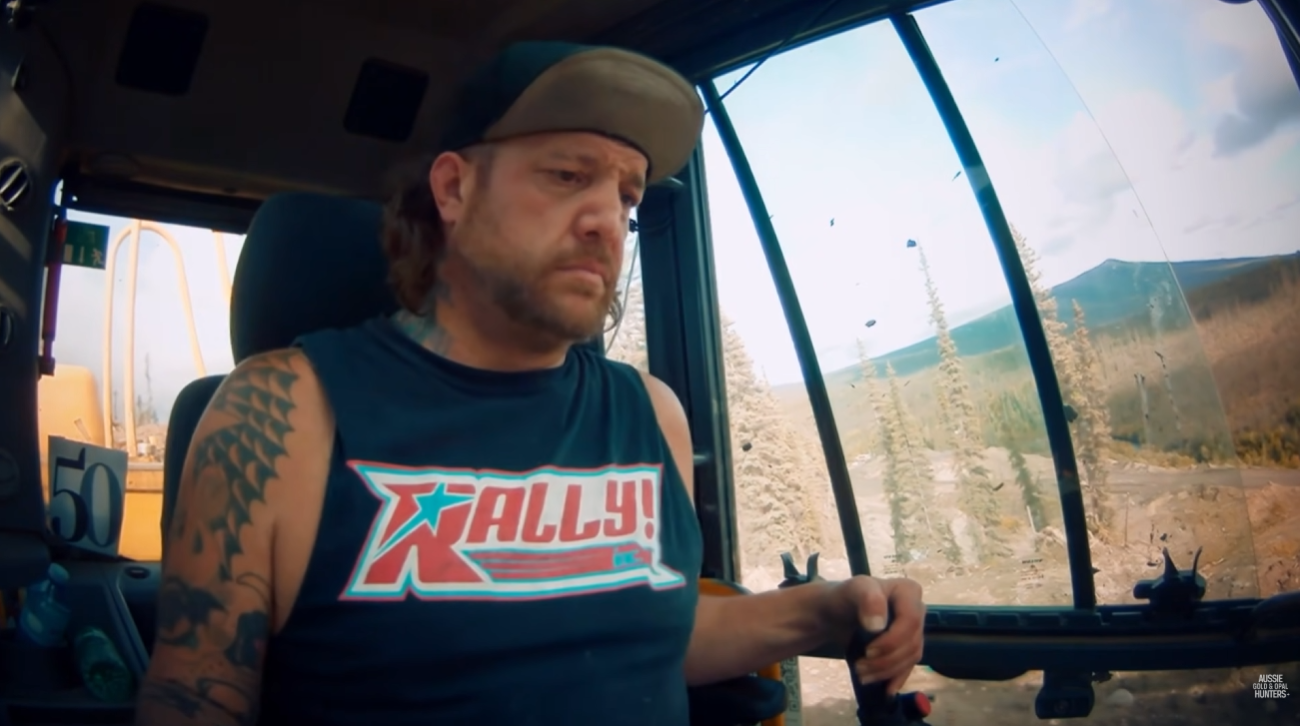
Operating on a limited budget in his Freedom Cut, Ness relied heavily on a second-hand dozer to rip through permafrost. When the transmission overheated, mechanic Carl opted for a rapid diagnostic test by inspecting the filter for metal debris.
The result was conclusive. The transmission was failing, with internal components grinding apart.
“She’s toast,” came the assessment.
Without a functioning ripper, Ness’s team was unable to access pay dirt. Operations were suspended as crew members questioned the viability of continuing.
“There’s not one person here that wants to sit idle,” one worker said. “We came here to work and find gold.”
Ness admitted shortcomings in planning and now faces mounting pressure to secure replacement equipment before his workforce disperses.
A Season at a Crossroads
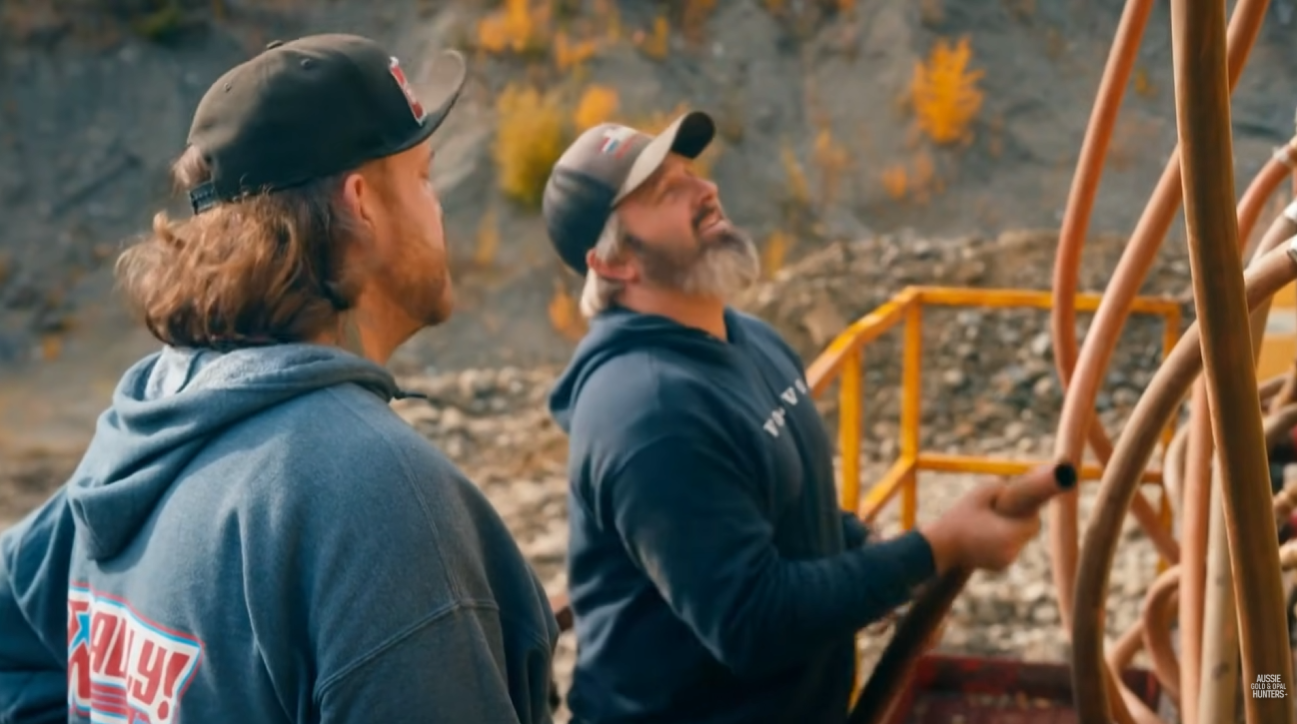
Across the Klondike, the challenges are interconnected: leadership credibility, cost management, and mechanical reliability. Even in a year of strong gold totals, instability beneath the surface can threaten long-term sustainability.
For Schnabel, the immediate test lies in delivering 400 ounces and solidifying his path toward owning his own claim. For the Beets operation, maintaining morale after payroll cuts may determine crew continuity next season. And for Ness, securing dependable machinery could decide whether his venture survives at all.
In gold mining, success is measured not only in ounces recovered, but in the cohesion of the team extracting them. As winter deepens, each operation must decide whether it can withstand the strain — or whether fractures will widen beyond repair.