Gold Rush: The Dark Truth Behind TV’s Biggest Mining Empire
We’ve all seen the massive gold hauls, intense arguments, and million-dollar claims on Gold Rush. But how much of it actually reflects reality? Is Parker Schnabel truly uncovering $400 million worth of gold? Or is it just clever television production?
A Humble Beginning with Real Struggles
When Gold Rush premiered in 2010, it wasn’t about fame or fortune. It followed a group of everyday Americans—most unemployed due to the recession—who took a massive risk by heading to Alaska in search of gold. With little experience and modest machinery, they relied on determination and hope. The early seasons were raw, emotional, and relatable. Viewers connected with the grit, and that authenticity fueled the show’s rise to fame.
From Real Mining to Made-for-TV Moments
As the audience grew, so did the show’s production scale. What started as a gritty docuseries evolved into a high-budget reality show. Crews brought in multimillion-dollar equipment. Editing became slicker. Conflicts were more frequent, cliffhangers more dramatic. While the mining remained real, the storytelling leaned increasingly toward entertainment.

That raises a fair question: how much of what we see today is authentic, and how much is manufactured for dramatic effect?
Gold Claims vs. Gold Reality
Viewers often hear claims like “Parker finds $400 million in gold” or “hidden treasure discovered in the Yukon.” These headlines are typically exaggerated or outright false. In reality, even in their most successful seasons, Parker’s crew might extract several thousand ounces of gold—worth a few million dollars at current prices. Impressive, yes. But nowhere near the hundreds of millions some videos suggest.
The Hidden Cost of Gold Mining
Gold mining isn’t just panning dirt. It involves massive costs—fuel, repairs, wages, permits, insurance, and downtime from equipment failures. A single broken excavator can cost hundreds of thousands. After expenses, actual profit margins shrink dramatically.

As miner Tony Beets once put it, “Gold mining is mostly stress and struggle. Only a small part is actual reward.”
Where the Real Money Lies: Television
Surprisingly, the most stable income doesn’t come from gold—it comes from the show itself. Parker Schnabel reportedly earns $25,000 to $30,000 per episode. Other miners are also paid by Discovery Channel. For many, the TV paycheck is more reliable than gold.
In that sense, Gold Rush isn’t just a mining operation—it’s a television business.
Scripted or Real? The Gray Zone
So, is the show scripted? Not exactly. The mining is real. The gold is real. But the scenes we see? That’s where things get fuzzy.
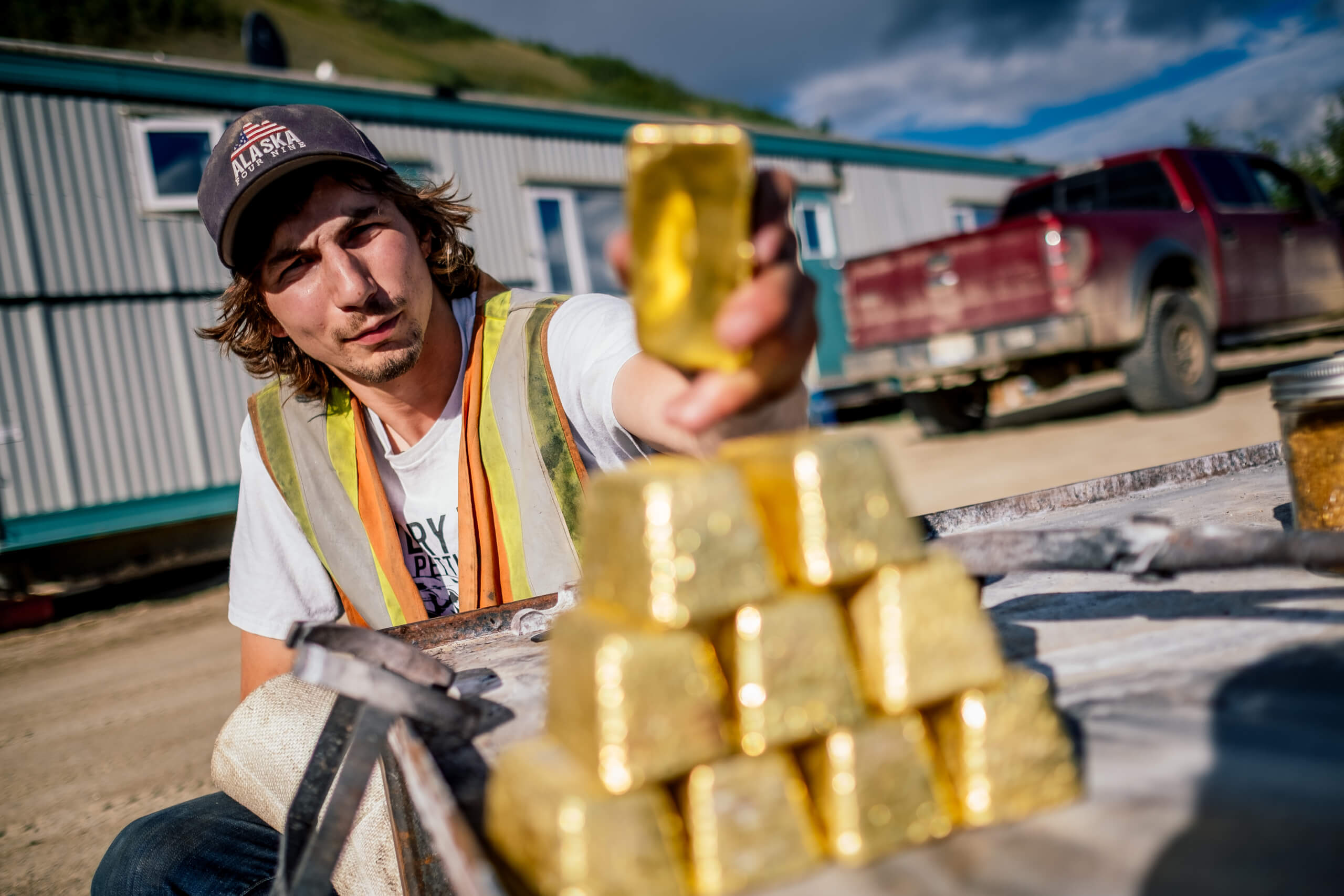
Former cast members have revealed that producers often ask them to repeat conversations, amp up emotions, or re-stage moments to heighten drama. Edits are designed for tension and excitement. It’s not entirely fake—but it’s far from raw, unfiltered reality.
Clickbait Culture and Misleading Headlines
You’ve likely seen the viral headlines: “Parker finds hidden treasure,” “Tony Beets uncovers lost fortune,” “Rick Ness walks away with millions.” These are mostly clickbait from YouTube and social media. In truth, none of these miners are billionaires. They live well—but their wealth comes more from being TV stars than from striking rich veins of gold.
The Harsh Truth: Real Mining Is a Gamble
Despite what the show portrays, real-life gold mining is incredibly risky. It requires millions in investment, experienced crews, and a lot of luck. A single storm or permit issue can end an entire season. Gold Rush simplifies this process, but in reality, mining is far more complicated, expensive, and uncertain.
Why Viewers Still Tune In
Despite the exaggerations, viewers continue to love Gold Rush. Why? Because at its core, it’s about people chasing dreams, facing failure, and working hard for every win. That human element—real or enhanced—is what keeps fans watching.
So, What’s the Verdict?
Yes, Gold Rush is real—mostly. The gold is real. The effort is real. But like any reality TV, it’s also carefully crafted, edited, and sometimes exaggerated to make good television. That doesn’t make it fake—it just makes it entertainment.
So the next time you see a wild claim about a record-breaking gold discovery, remember: the real treasure might not be in the ground—it might just be in the ratings.
What’s your take? Is Gold Rush more fact or fiction? Let the debate begin.