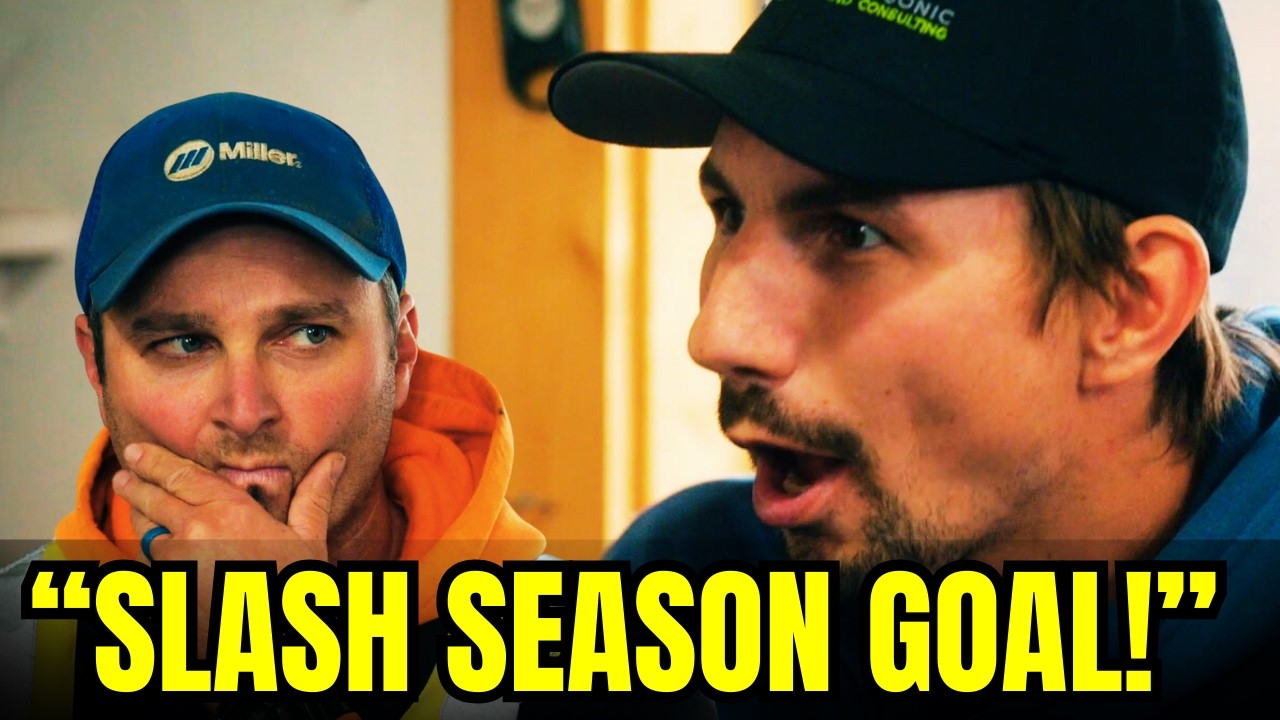
Parker Schnabel’s gold mining season has hit a critical turning point. Initially setting an ambitious target of 10,000 ounces, Schnabel has been forced to revise his goal to 8,000 ounces due to a series of setbacks. However, even this adjusted target remains uncertain as pay dirt supplies dwindle, pushing the young miner into high-stakes decisions.
Big Red Shut Down Amid Pay Dirt Shortage
Facing a critical shortage of pay dirt, Schnabel made the tough call to shut down Big Red, one of his key wash plants, until enough material can be stockpiled.
“That’s it. We’re shut down now,” Schnabel admitted, frustration evident in his voice. “It’s the right thing to do, but it’s frustrating.”
His fast-track strategy to extract gold quickly from Sulfur Creek’s pre-ripped ground failed after just a week, stretching his team thin. With only 3,500 ounces recovered so far, his original 10,000-ounce dream is out of reach, and even 8,000 ounces appears far from certain.
A Bold Gamble: Betting on Red Gravel
With Sulfur Creek operations halted, Schnabel now relies on two wash plants at Dominion Creek while searching for rich pay dirt. Instead of waiting for better ground, he is making a risky bet on an untouched red gravel deposit.
“Big Red is moving upstream to where we found red gravel that leads to the White Channel gravel,” Schnabel explained. “To my knowledge, nobody has ever sluiced this red gravel before.”
Over the last seven weeks, Big Red had been processing pay dirt at the four-acre Bridge Cut. Now, the plan is to move the plant half a mile upstream to a newly stripped section where 16 feet of overburden has already been removed. The red gravel left behind could hold between $1 million and $2 million worth of gold—but it’s a gamble.
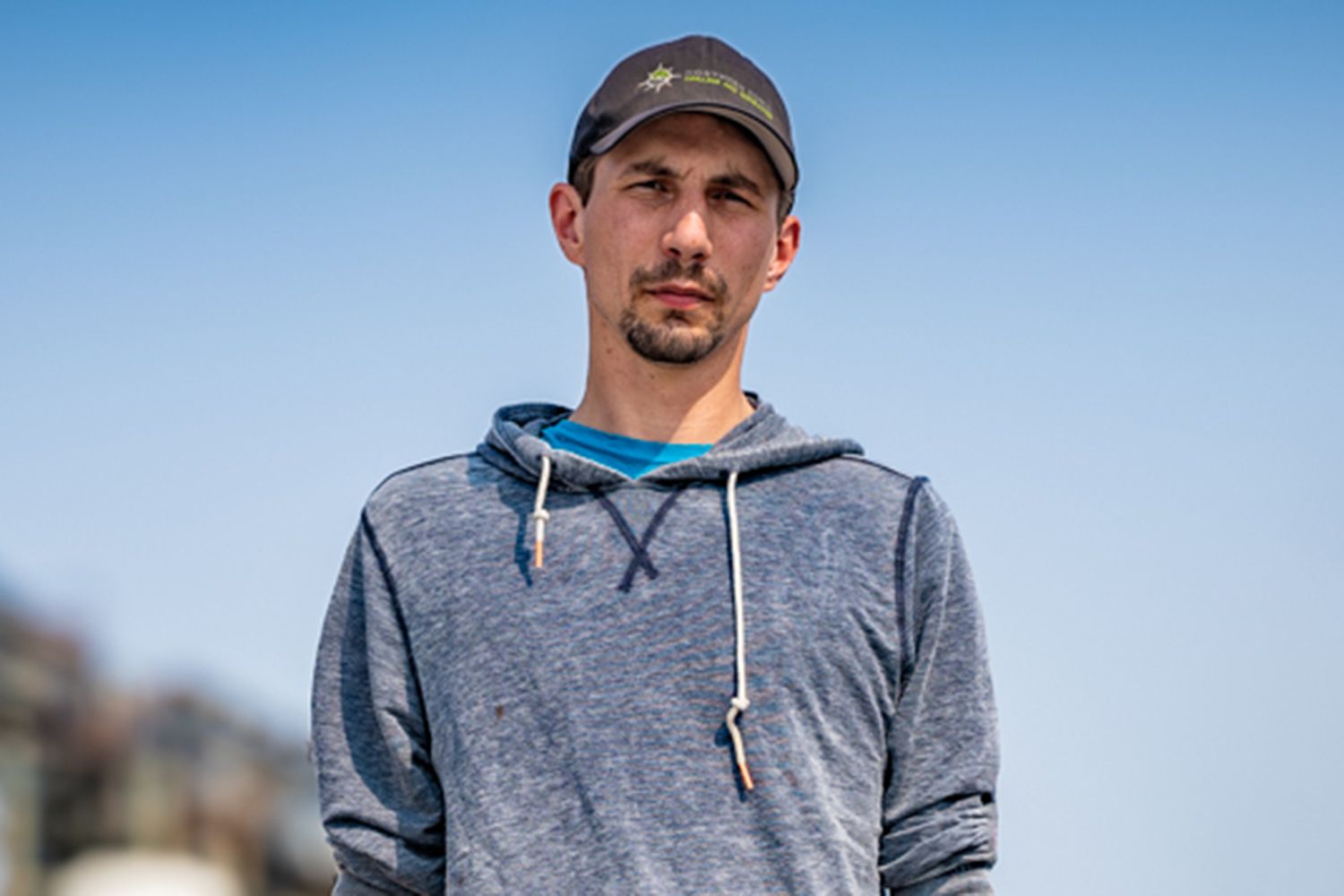
Wash Plant Move: A High-Stakes Operation
Moving a massive wash plant is no small feat, and the responsibility falls on plant boss Tyson Lee and Yukon native Cole Anderson. The move is treacherous, with unstable ground adding to the danger.
“We have a lot to do and not much time. Parker wants it running tonight. If one thing goes wrong, everything is thrown off,” said Lee.
As Anderson carefully maneuvered the 480 excavator, a tense moment saw the loader bucket slip, nearly throwing the entire operation off balance. Quick thinking from Lee and Anderson prevented disaster, and Big Red successfully reached its new location. However, just as the team prepared to fire it up, another setback emerged.
Mechanical Failure Delays Operations
The crew discovered the tail drum—a critical conveyor belt component—was severely worn and could shred the belt entirely if not replaced immediately. With no spare on hand, the delay was unavoidable.
“We don’t have a backup,” Lee informed Schnabel, shaking his head. “We’re definitely not sluicing tonight.”
Back in Action: The Red Gravel Test Begins
After two days of waiting for a replacement tail drum, Schnabel’s team raced to complete repairs. Alec and Liam worked quickly to install the 200-pound drum, ensuring Big Red was operational again.
“We need to get that red gravel sluiced and gold in a jar,” Schnabel declared as he dumped the first scoop of pay dirt into the plant.
The high-stakes test of the red gravel had begun, with the fate of his season hanging in the balance.
First Gold Haul Surpasses Expectations
After four days of running Big Red at the Bridge Cut, the team uncovered 136.6 ounces of gold, valued at over $341,000. Meanwhile, the Long Cut produced an even bigger haul—2,851 ounces worth more than $712,000.
Buoyed by this success, Schnabel remains optimistic and is pushing to add a third wash plant to maximize recovery. While challenges persist, his determination remains unshaken as he fights to salvage his season and reach his revised 8,000-ounce goal.
