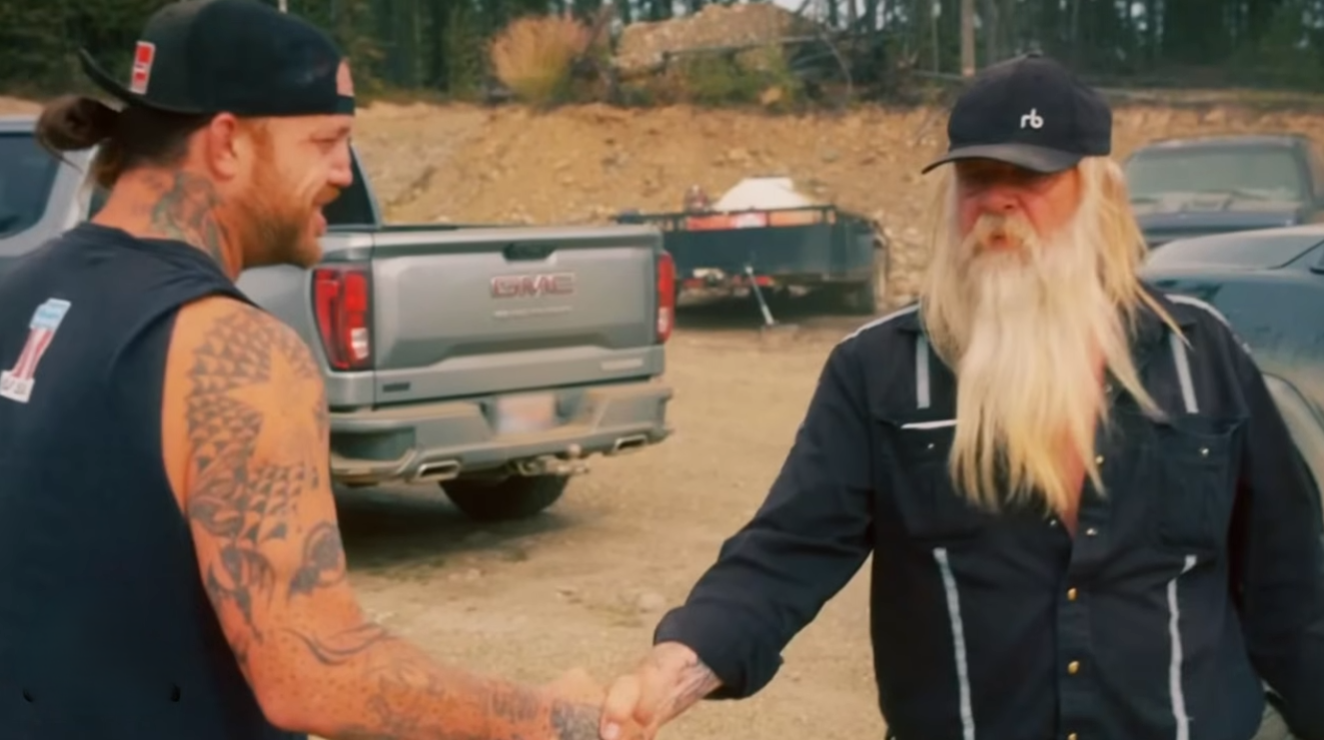
Tony Beets is making one of his boldest moves of the season as Gold Rush heads into its final stretch, with the veteran miner chasing a 1,000-ounce week while rival Parker Schnabel continues to hold the lead in the race toward 10,000 ounces.
The latest chapter from the Klondike places Beets under enormous pressure. His operation has already passed its original 6,500-ounce target, with more than $30 million in gold reportedly secured for the season. But rather than easing off, Beets has raised the bar again, setting his sights on a single-week haul worth about $2.5 million at current prices.
The timing is critical. Winter is moving closer, gold prices have climbed, and every remaining day of sluicing carries extra value. For Beets, the opportunity is too large to waste. A 1,000-ounce week would not only narrow the gap with Schnabel but also reinforce his status as one of the Klondike’s most formidable operators.
But the plan depends on one major condition: all four wash plants must run at the same time.

The key machine is Harold, a 100-yard-an-hour wash plant that has not yet been put into operation this season. If Beets can get Harold running alongside the rest of the fleet, the numbers suggest his 1,000-ounce ambition becomes possible. Without it, the target remains out of reach.
Getting Harold online, however, proves difficult from the start. The crew must first build and level a pad strong enough to support the massive plant, then move the main body and a 30-foot hopper feeder into place. The work requires careful coordination, with spotters guiding the machinery into position while the season clock continues to run down.
Once the plant is set, a bigger problem appears. Harold’s diesel pump refuses to start because the system is reading low coolant. But when Beets checks the reservoir, it is not low at all. It is overfilled. The problem is not the coolant itself, but the sensor system telling the engine’s control module that something is wrong.
That leaves Harold complete, connected and unable to operate.

Beets calls for mechanic Lucas, whose job quickly becomes the difference between a record-chasing week and a costly delay. Lucas checks the engine control system and determines the fault could be wiring, a bad sensor or, in the worst case, an electronic control module issue that could take a week to replace.
With no spare sensor available, Lucas makes a field repair using a potentiometer to mimic the correct sensor signal. It is a risky temporary fix because the engine will no longer be relying on the original sensor to warn of a real coolant problem. But the repair works. The error clears, the pump fires up and water begins flowing to Harold.
For the first time this season, Beets has all four plants ready to run.
Yet the success is fragile. The operation is already stretched thin, and another problem emerges almost immediately. The stripping crew is coming in to prepare ground for next season, bringing more equipment, more fuel demand and more pressure on the same limited support system.
That creates a major logistical burden. Four wash plants running around the clock already require a constant flow of diesel, repairs and supervision. Adding a stripping fleet means more machines competing for the attention of one key mechanic. In the Klondike, one delayed repair can quickly become an expensive lost day.

While Beets pushes his operation to the limit, Parker Schnabel remains in front. Schnabel’s crews have been producing strong weekly totals, including hauls above 500 ounces, leaving him nearly 700 ounces ahead of Beets in the overall race. He is also thinking beyond the current season, with stripping work already underway on new ground for next year.
That contrast highlights the strategic difference between the two miners. Beets is trying to use the final weeks to close the gap with a huge surge. Schnabel is still running hard, but also preparing the foundation for future production.
Rick Ness, meanwhile, faces a very different fight. His season has been defined by setbacks, long delays and the struggle to find reliable pay. After finally getting Monster Red running at Vegas Valley, Rick sees his crew pull more than 200 ounces, giving the operation a badly needed lift.
But his target remains distant. Rick is chasing 1,800 ounces to trigger crew bonuses, and with only a few weeks left, he needs roughly 400 ounces a week to get there. That would require a level of production his operation has not yet reached this season.
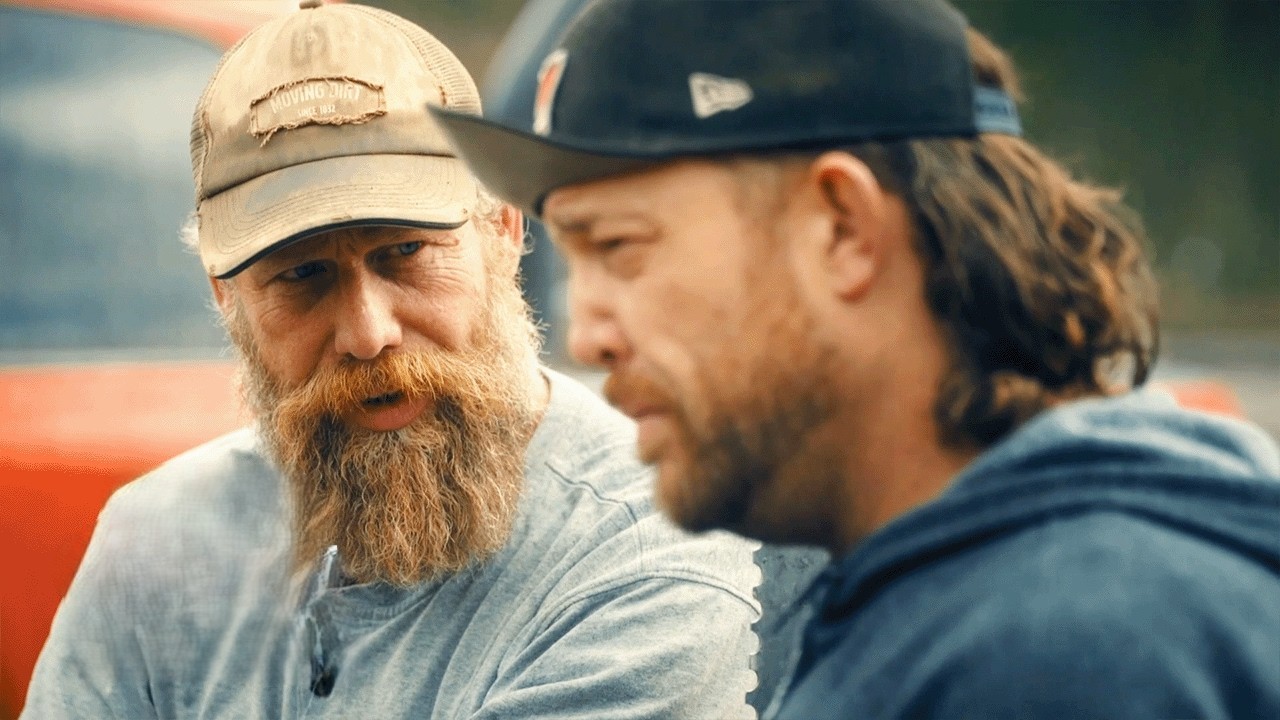
The problem becomes worse when Bailey reports that the active pay at Vegas Valley is running out sooner than expected. There is more gold-rich ground visible higher up the slope, but reaching it means moving roughly 40 feet of overburden with very little time left before the freeze.
Rick refuses to stop. He chooses to push up the slope and chase the pay, even as the math becomes increasingly difficult.
Back at Monster Red, another delay hits when Ryan Kent finds a large pin that has fallen from the feeder’s grizzly bars. Without the pin, the plant risks serious damage. Ryan and Z manage to replace it using a spare from the backup feeder, but the repair costs the crew two hours.
For Rick, those lost hours matter. For Beets, every hour Harold runs matters. For Schnabel, every week of consistent production keeps him ahead.
As the season tightens, Gold Rush has become less about one cleanout and more about endurance, timing and who can keep their operation from cracking under pressure. Beets now has four plants running and a real chance at a massive week, but his margin for error is almost gone.
The race is still alive. The crown is still contested. And in the final weeks of the Klondike season, one sensor, one fuel delay or one failed bearing could decide who finishes on top.