
Veteran miner Tony Beets has pulled off what many are calling the biggest turnaround of the season—twice over. After sinking $800,000 into a brand-new wash plant that nearly collapsed under the weight of soggy ground and quicksand-like conditions, Beets and his crew have rebounded with their largest cleanup yet: 401.9 ounces of gold—worth over $800,000.
And just as the new system roared to life, Beets uncovered treasure from an unexpected place: a pile of century-old tailings left by gold rush miners, once dismissed as worthless, is now delivering gold-rich pay dirt.
FROM SWAMP TO SCORE
The season started rough. Beets’ new plant—nicknamed everything from Slucatron to Slumis Prime—was billed to move more dirt, faster. But soft sand and poor drainage nearly sank the entire operation. Loader operator Chelsea found herself bogged down in what looked like Yukon quicksand. Water pooled, machines spun, and the wash pad threatened to swallow everything.

“It looked like a bomb went off,” one crew member said. “You couldn’t even see the loader at times.”
But Beets didn’t wait. Jumping into the driver’s seat, he built a coarse tailings road by hand, redirecting water to the settling pond and stabilizing the ground. The plant roared back to life—and so did the gold.
In just three days, the new wash plant alone churned out 84.58 ounces of gold, worth $170,000. But that was just the beginning.
THE BIGGEST CLEANUP OF THE SEASON
Meanwhile, up on Paradise Hill, Mike Beets had the original wash plant running full tilt. Bucket after bucket, gold piled up until the final tally hit 401.9 ounces—a staggering $800,000 haul. It was the biggest single gold count of the year, and a massive payoff for months of hard work and setbacks.
“When you drop close to a million on a plant, you better see results,” said Beets. “Now it’s paying for itself.”
DIGGING UP HISTORY: OLD SLUICE PILES PAY OUT
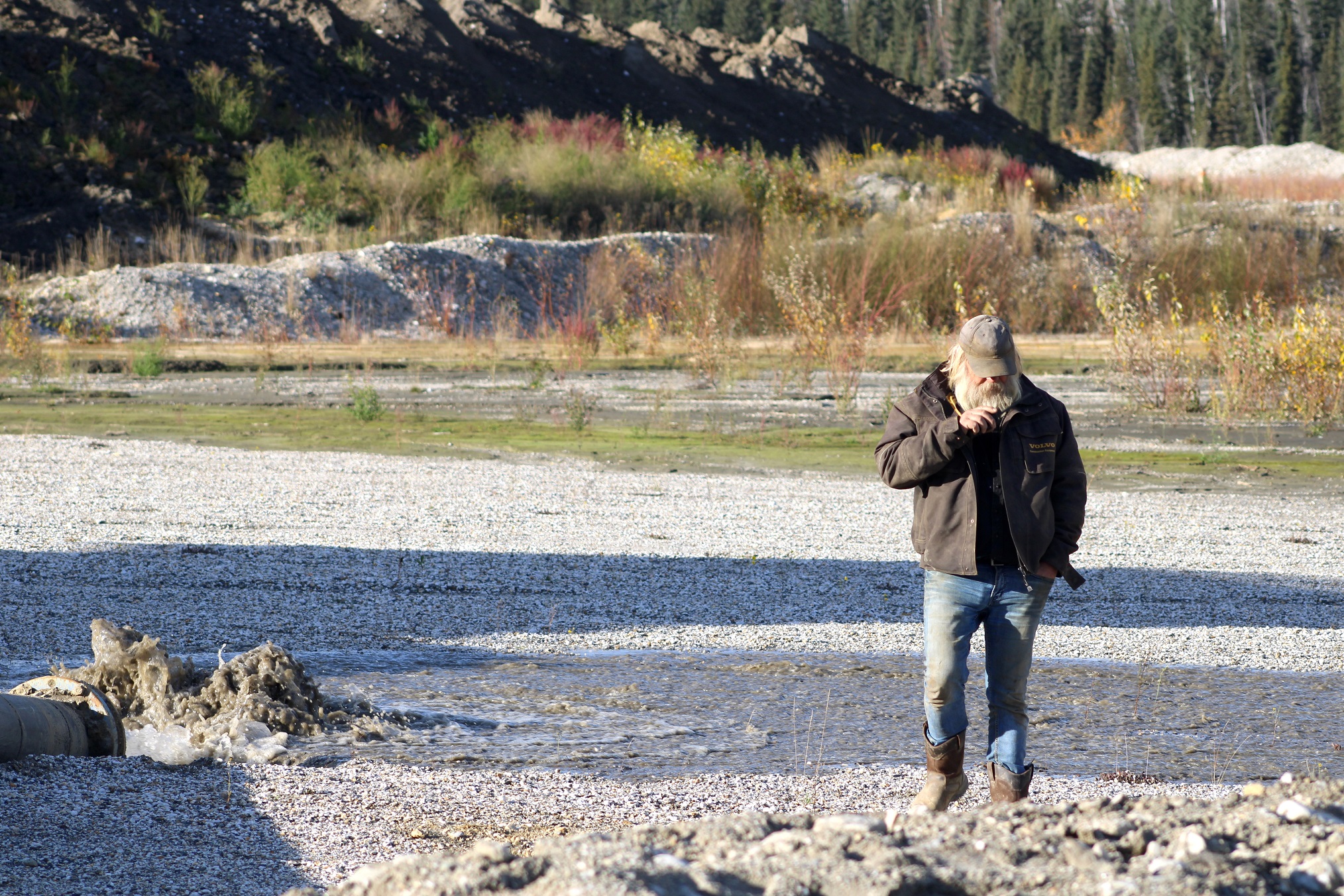
While the new gear proved itself, Beets turned to something long forgotten: an old pile of discarded rock and gravel beneath the remains of a wooden sluice from the early 1900s. For 35 years, he’d walked past it—until now.
A few test buckets ran through a small trommel revealed gold in every scoop.
“We saw flake after flake—consistent, clean gold,” Beets said. “The old-timers missed it.”
In just four hours of running old tailings, they pulled 4.2 ounces worth $7,400. Beets estimates there’s enough in the pile for weeks of solid recovery—and it’s outperforming even some of their current cuts.
PERMAFROST AND PAY DIRT
Not everything is smooth. On the north edge of the hill, Kevin Beets hit a thick slab of permafrost—frozen ground that threatens to shut down operations. Dig tests found thawed ground just a few hundred feet away, revealing a 40-foot-deep gravel layer full of gold potential.
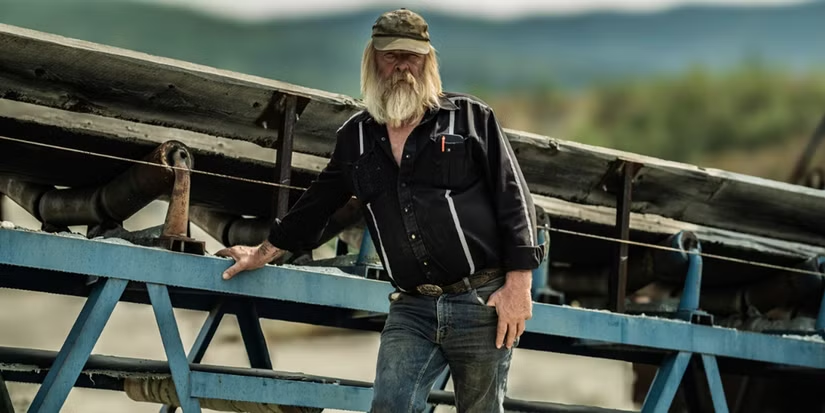
Now, Kevin and Mike are racing to link their cuts, creating a “mega-cut” stretching across the hill. If successful, it could yield hundreds of ounces in the coming weeks.
But with Yukon wildfires looming and dry conditions worsening, time is tight. Crews work around the clock to stay ahead of the risks.
A SEASON TURNED AROUND
With both wash plants running, old piles turning to profit, and new thawed ground ready to dig, Beets’ operation is finally surging ahead.
“It’s taken grit, risk, and a little madness,” said one crew member, “but now it’s all working.”
Tony Beets—long known as the King of the Klondike—may have just rewritten the script on gold mining success. Not with luck, but with legacy, muscle, and the ability to see gold where others only saw gravel.