
Veteran Klondike miner Tony Beets has made one of the boldest decisions of his career, unveiling a $1 million wash plant for his daughter Monica Beets in a last-ditch effort to push his 2025 season beyond a historic gold target.
The move comes as Beets closes in on a 5,000-ounce goal, a figure worth an estimated $12.5 million at current gold prices. With winter approaching fast in Canada’s Yukon Territory, the mining season is running out, leaving little margin for delay or mechanical failure.
At the time of the decision, Beets’ two existing operations at Paradise Hill and Indian River had already produced around 4,820 ounces. That left roughly 180 ounces standing between him and what would be one of the largest single-season totals of his career.
Rather than consolidating his gains, Beets opted to escalate. His plan was to launch a third operation immediately—placing the responsibility squarely on Monica, who had been preparing to open a new cut known as the Hester Cut.
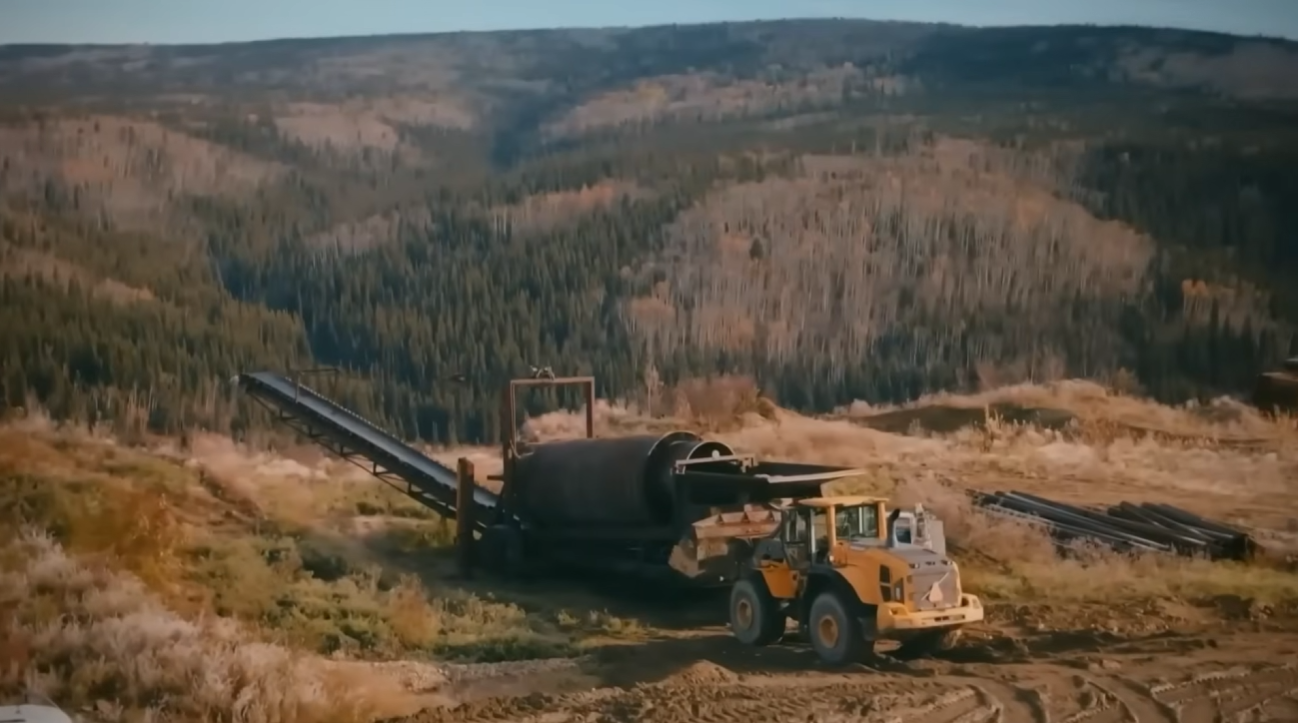
That plan collapsed when the site proved unworkable. The ground, expected to be rich virgin pay, had turned into a thick, waterlogged mass of yellow mud. Pumps failed to drain it, equipment could not be positioned safely, and Beets ultimately called the operation off.
For most miners, that would have ended the season’s expansion. Monica, however, proposed an alternative.
Just a short distance from the failed cut lay a large pile of old-timer tailings—material processed decades earlier using rudimentary equipment that captured only a fraction of the available gold. Beets had run the same tailings four years earlier, producing 330 ounces in five weeks. With gold prices now roughly double what they were then, the economics had shifted dramatically.
The calculation was simple: known gold, higher prices, lower geological risk.
Beets agreed to redirect the third operation to the tailings pile, reviving the idea of running three plants at once. But he had already taken the gamble further.
Without warning, Beets summoned Monica to the lower yard, where she was met with a brand new, custom-built wash plant—described by the crew as the largest of its kind in the region. Weighing roughly 25 tonnes, the machine was designed to handle oversized rock and heavy material that would overwhelm conventional plants.
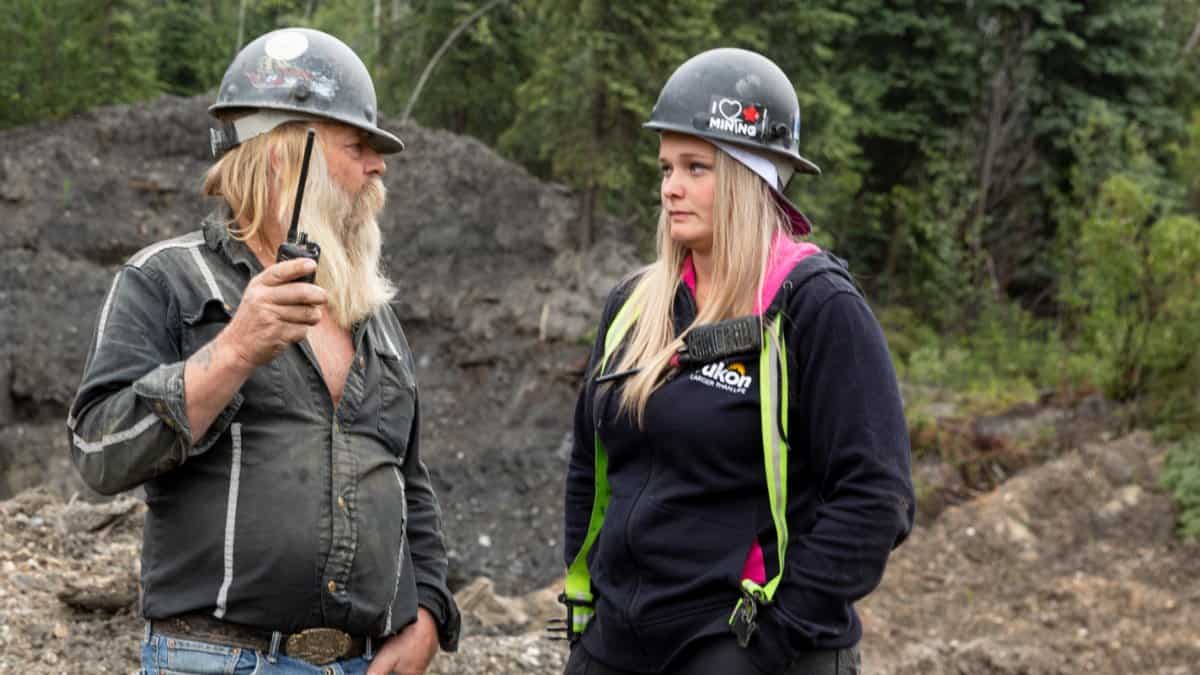
Capable of processing up to 200 tonnes per hour, the plant is expected to recover between 15 and 20 ounces of gold per day under favourable conditions. Over a three-week sprint, it could add more than 300 ounces to the season total—potentially enough to secure Beets’ target on its own.
Moving the equipment into position was an operation in itself. Using forklifts, dozers and excavators, the crew carefully relocated the 17-tonne plant onto its pad beside the tailings pile. The process required precise coordination, with little tolerance for error given the value of the machinery.
Once installed, the remaining work focused on plumbing, pumps and water supply, with Beets estimating two days to bring the plant fully online.
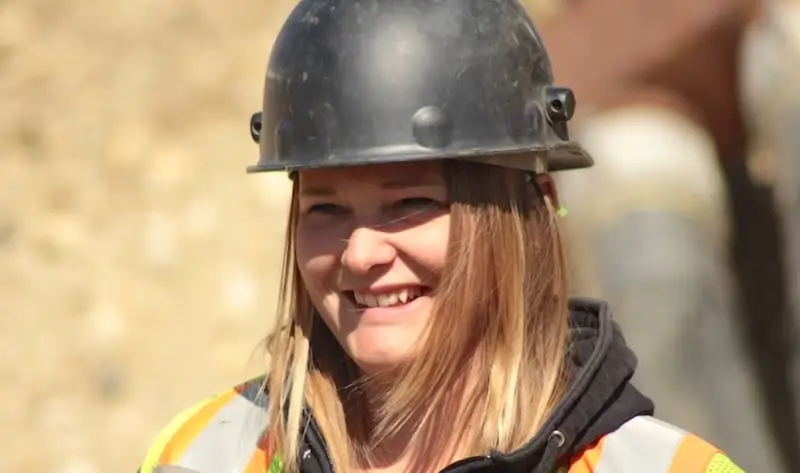
If successful, the strategy would see three wash plants running simultaneously, with Beets projecting a combined output of 40 to 50 ounces per day. At current prices, that equates to roughly $100,000 to $125,000 in gold daily.
For Beets, the decision is consistent with a career defined by aggressive expansion and relentless work. Rather than easing off after banking millions, he has chosen to risk seven figures in equipment to extract the final ounces before winter shuts the ground down.
Whether the old-timer tailings still hold enough gold to justify the investment will become clear within days of the plant’s first run. For now, the move stands as a clear statement of intent: Tony Beets is not content to finish strong—he wants to finish unmistakably on top.
 hs
hs