
Dawson City, Yukon — When Tony Beets first appeared on Gold Rush in 2011, viewers immediately recognized a force unlike any other on reality television. With his booming voice, thick Dutch accent, and unfiltered approach to leadership, Beets quickly became the show’s most dominant—and divisive—figure. But behind the gold, the machines, and the fame lies a complicated legacy built on grit, controversy, and fractured relationships.
From Dutch Farmlands to Yukon Frontiers
Born December 15, 1959, in the small farming village of Wijdenes, Netherlands, Beets grew up steeped in hard labor and little patience for excuses. School held little appeal; instead, he chased practical skills and a bigger life beyond the predictable future of rural Europe.
In 1984, he and his wife Minnie immigrated to Canada with almost nothing to their names. After years of tough labor jobs in British Columbia, Beets heard whispers of opportunity in the Yukon. The couple moved north, where Tony began at the bottom of established mining operations—operating machinery, enduring brutal shifts, and absorbing everything about placer mining.
In the gold fields, Tony Beets finally found his calling.
Building an Empire
By the time Discovery came looking for new cast members for Gold Rush Season 2, Beets had already become a respected but locally known mining boss. Producers, eager to contrast Todd Hoffman’s inexperienced crew with a true professional, brought Beets onto the show.
What followed was television lightning.
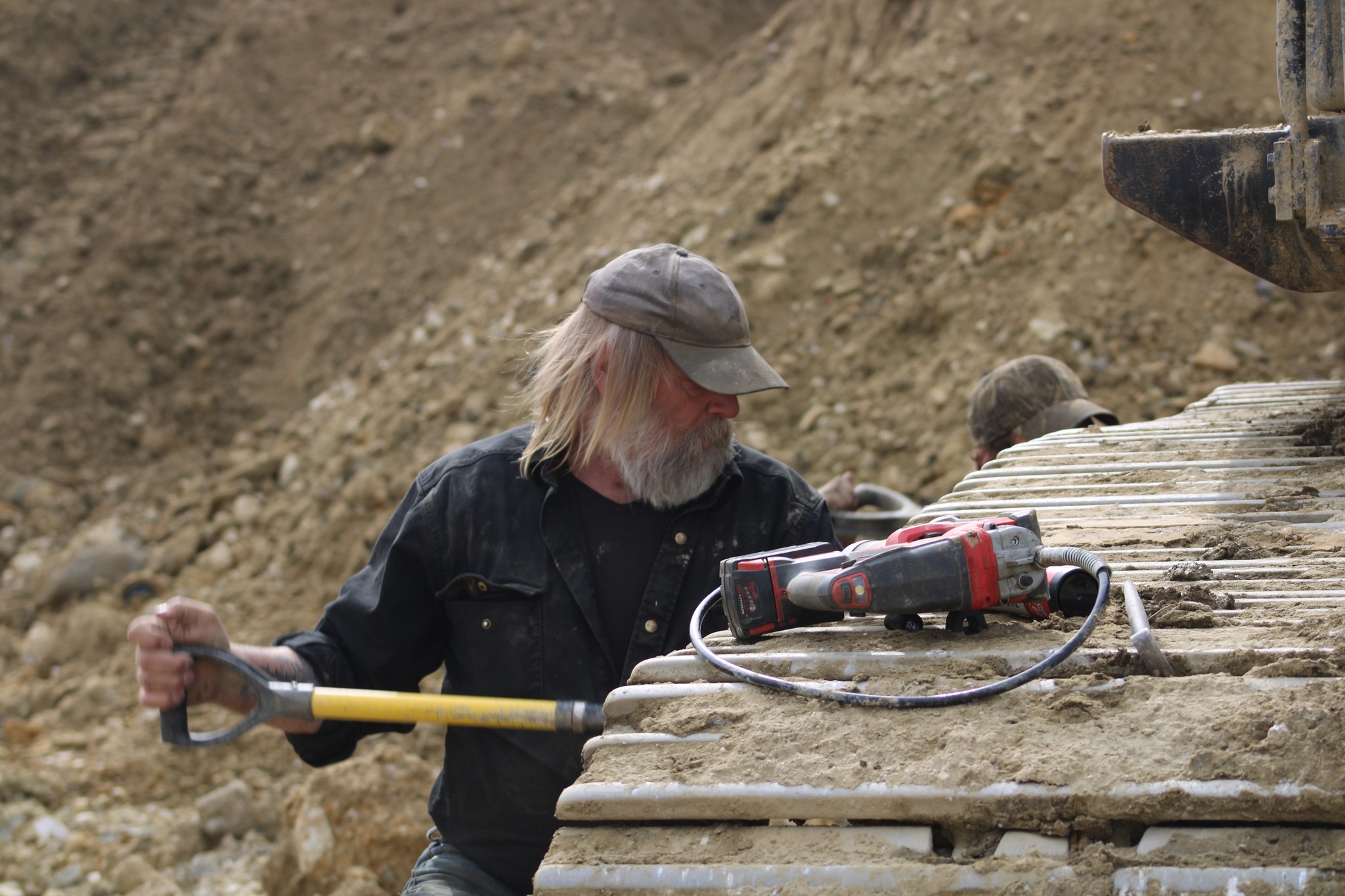
Beets’ massive equipment purchases, multimillion-dollar operations, and revival of a 75-year-old dredge turned him into a cornerstone of the franchise. Viewers admired his expertise—even when his temper flared.
The Warning Signs Beneath the Gold
But fame also cast light on darker patterns:
Environmental Violation
In 2014, during filming, Beets approved the notorious “Viking baptism,” in which a worker poured gasoline into a dredge pond and ignited it. The stunt violated the Yukon Waters Act, resulting in fines totaling over $30,000. Discovery aired the footage anyway.
Clashes With Colleagues
Beets’ mentorship of young miner Parker Schnabel dissolved into years of heated disputes. Their frequent arguments became a staple of the show—and a ratings magnet.
Family Fractures
Even Tony’s children struggled under his demanding leadership.
-
Kevin Beets abandoned the operation in Season 14 after a bitter power struggle.
-
Mike Beets endured mounting pressure, culminating in costly equipment mishaps and explosive confrontations.
Behind the camera, the toll on relationships was real.

Discovery’s Golden Goose
While critics question Beets’ methods, Discovery continues to elevate his on-screen persona. His tempers, conflicts, and unfiltered language have long been packaged as entertainment, driving social media trends and viewership peaks.
The network’s formula is clear:
Conflict = engagement = profit.
For better or worse, Tony Beets became the face of a rugged, unforgiving version of masculinity that many viewers embraced as “authentic.”
A Legacy Written in Earth and Iron
Despite the controversies, Beets’ influence on modern gold mining is undeniable. His empire, carved from frozen ground and long seasons of grueling work, reshaped what small-screen mining looked like. Gold Rush transformed him from a local miner into an international figure.
Yet the question remains:
Has the cost of success—strained family ties, fractured partnerships, and public scrutiny—been worth the fortune dug from the Klondike?
Only time will reveal whether the King of the Klondike will soften with age or continue ruling with the iron will that built his legacy.