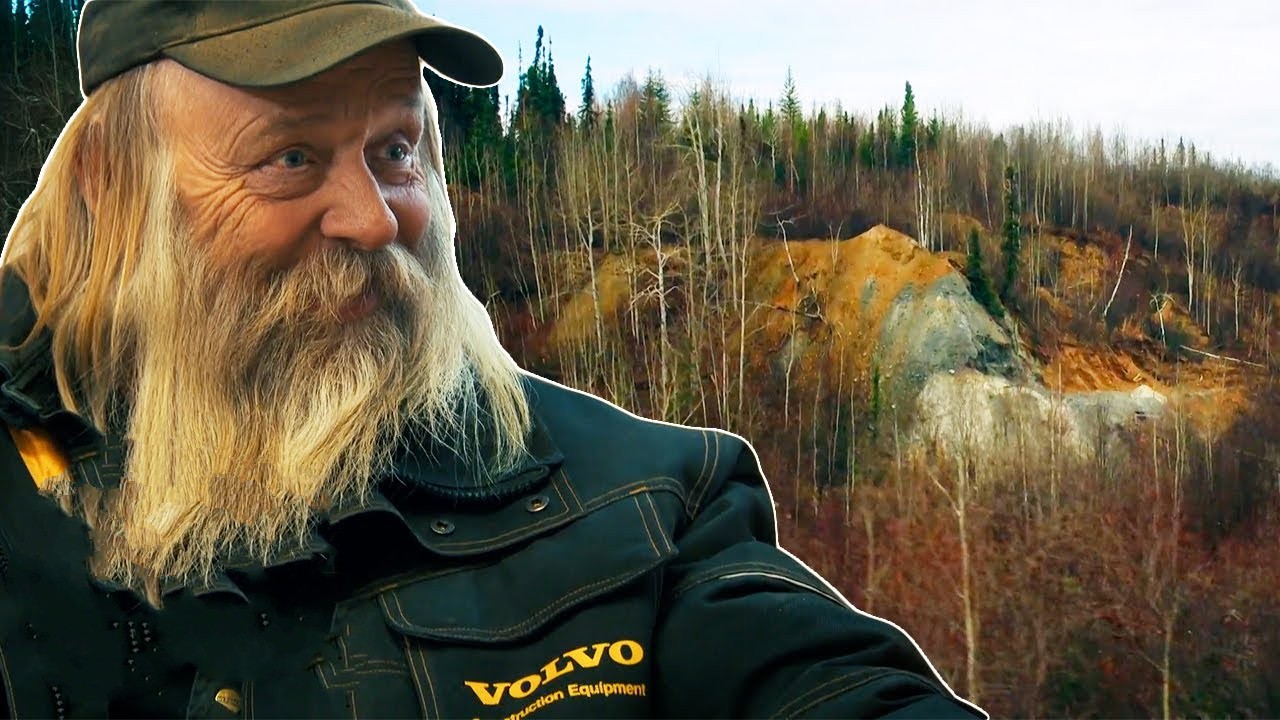
After 35 years of mining the legendary goldfields of the Klondike, veteran miner Tony Beets may have just struck the motherlode — not with luck, but by following the wisdom left behind by 19th-century prospectors.
Beets, known to millions as the “King of the Klondike” from the hit series Gold Rush, recently began exploring a remote, undisturbed section of Paradise Hill. What began as a hunch quickly evolved into a major lead when he discovered telltale signs of old-timer mining: hand-dug ponds, shafts, trenches, and lines of birch trees growing among thick spruce — a signature indicator of previous underground excavation.
Quartz Clues and Forgotten Shafts
In the shadow of an abandoned shaft, Beets noticed quartz-streaked rocks — a classic indicator of gold nearby. “You see that quartz in there?” Beets said, gesturing to a rubble pile. “Those are what you call indicators. Where there’s quartz, there’s often gold.”
While the shaft suggested old miners had been there, Beets suspected they hadn’t gone deep enough. “They dug by hand,” he noted. “That kind of work means there had to be something deposited — but I don’t think they reached the pay layer.”

Determined to find out, Beets brought in a 220 excavator to punch a test hole — despite mechanical setbacks that included a broken arm on the excavator. “There goes your nice morning,” Beets quipped to his team as repairs got underway.
Unearthing Forgotten Pay Dirt
Amid the ditches and gullies, clear signs of monitor mining — a method using high-pressure water hoses to strip away earth — revealed massive trenches carved out by gold seekers more than a century ago. “You can clearly see they mined a whole big trench through here,” Beets remarked.
It was just east of a 50-foot shaft that he hit what looked like the real prize: a stretch of light-colored “white channel gravel” rich with golden promise. “This definitely looks like pay dirt,” he said. “You test a pail of this, and I bet you’ll get gold out of it.”
$20,000 Gamble on Drilling
To validate his theory, Beets called in expert driller Liam Ferguson. At a cost of $20,000 for two holes spaced 300 feet apart, the risk was real — but the reward was bigger.
The first test hole disappointed, revealing false bedrock. But the second yielded surprising results.
“We saw some pretty good grades,” Ferguson confirmed. “Near the bottom, we were getting up to an ounce and a quarter, maybe an ounce and a half per hundred yards.”
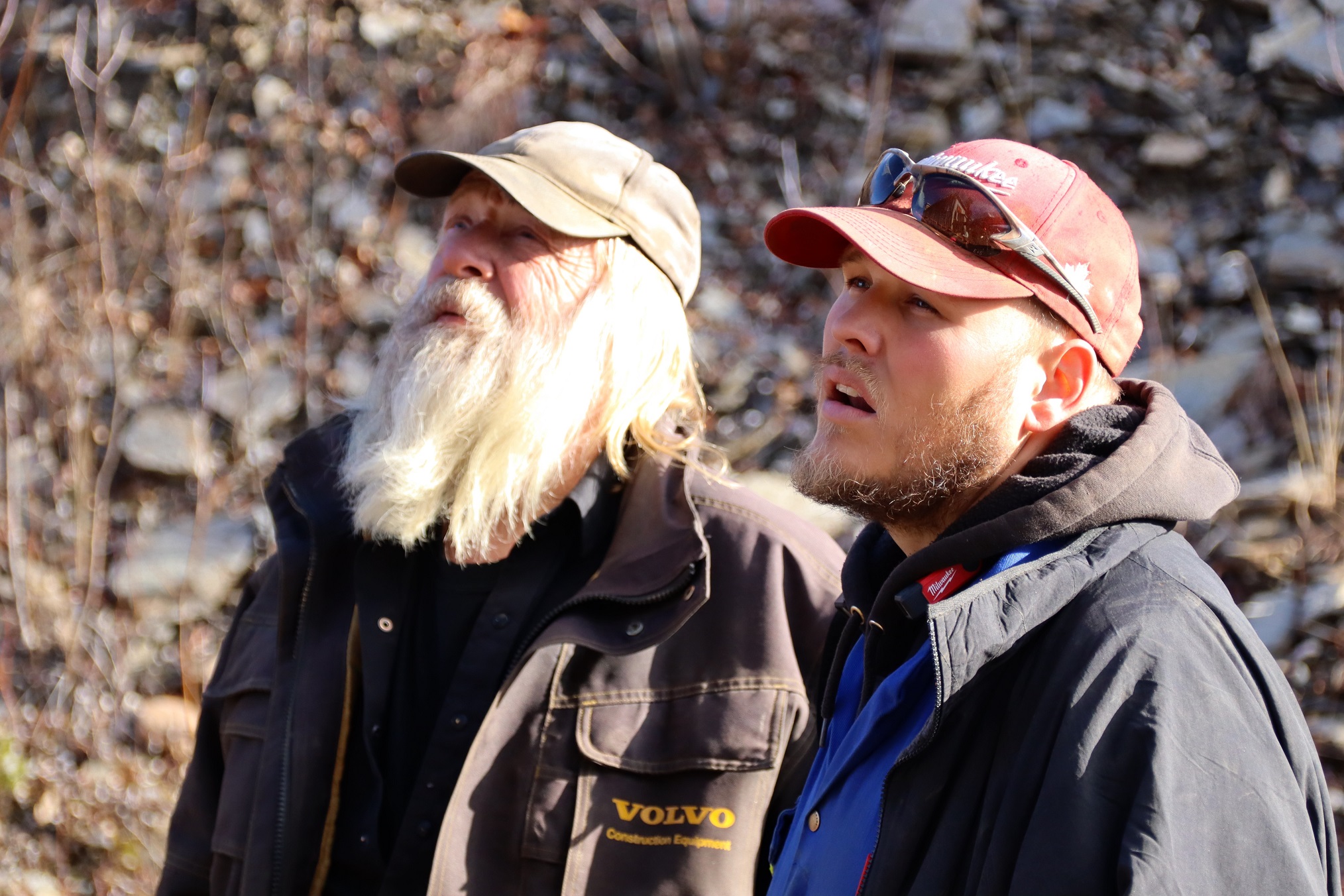
That’s more than what Beets was pulling from his famed “Mega Cut” — potentially translating to nearly $1 million in gold for just a week’s worth of work.
A Golden Future Ahead
Beets was visibly pleased. “That is an awesome piece of ground,” he said. “We’ll be taking it out soon. It’s a pretty fair-sized reserve — makes it very exciting.”
With fuel costs dropping and gold prices on the rise, the timing couldn’t be better. As the short Yukon mining season races on, Beets is hoping this newly discovered ground will turn into a record-breaking operation.
“Sometimes,” Beets said with a grin, “you just gotta follow the old-timers and dig a little deeper.”