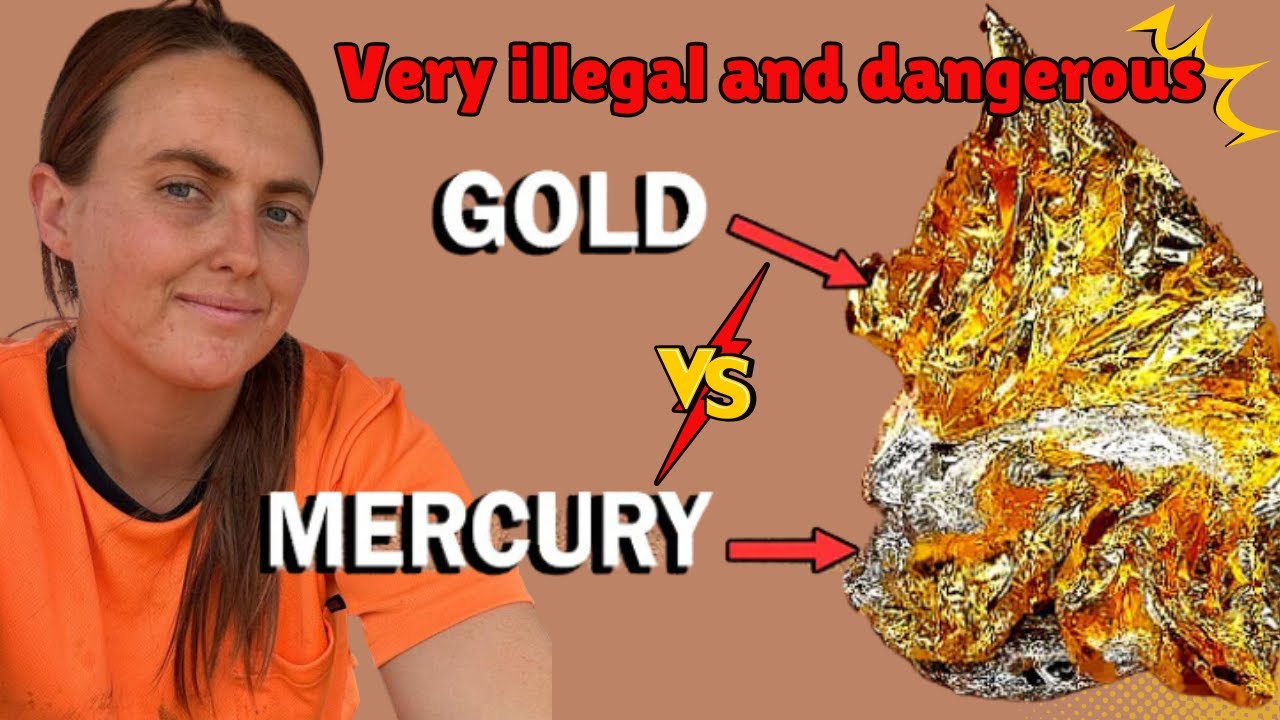
In the age of modern mining regulations and environmental awareness, the use of mercury in gold extraction remains one of the darkest hangovers from the gold rush era. Once considered a prospector’s best friend, mercury is now outlawed in countries like Australia—and for good reason.
During the 1800s, mercury was the go-to method for extracting gold from ore and dirt. Cheap, effective, and readily available, it helped fortune-seekers recover tiny particles of gold by binding with it to form what’s known as an amalgam. This could then be heated, with the mercury vaporising off—leaving pure gold behind. But that same process also leaves behind toxic air, poisoned soil, and long-term health hazards.
Today, ownership of mercury in Australia is strictly regulated. Ordinary citizens cannot simply purchase or store it. The metal’s vapours are deadly when inhaled, and accidental ingestion is often fatal. Despite the risks, its use hasn’t vanished altogether. “I’m sure there are still gold prospectors out there using mercury,” admits one experienced Australian prospector, “but it’s very illegal and pretty dangerous.”
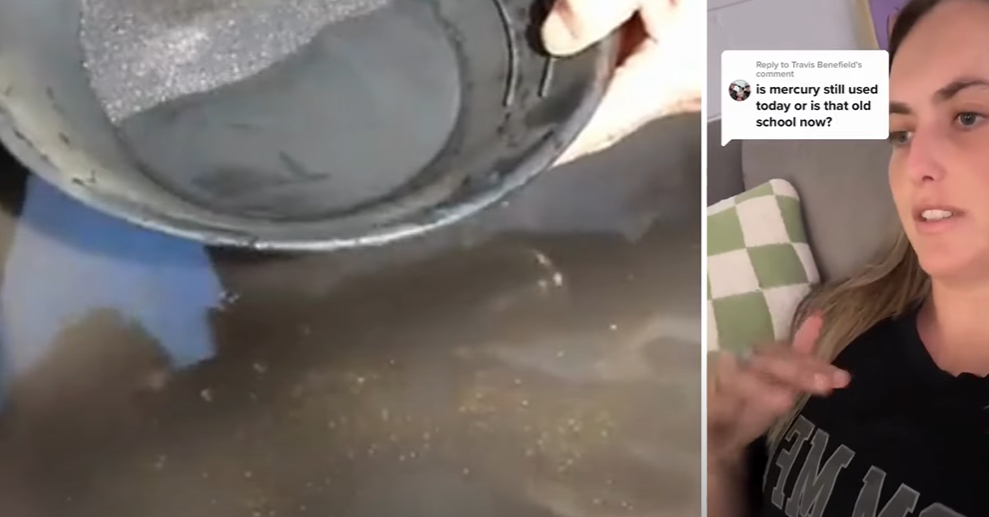
The dangers don’t stop at health. Mercury contamination in waterways can devastate wildlife and disrupt ecosystems for generations. That’s why alternative methods—like gold cubes, wheels, and shaker tables—have become the new standard among ethical prospectors.
However, not all gold hunters have access to modern tools. In developing countries, where mining laws are lax and resources limited, mercury is still commonly used. “I’d never judge them,” says the prospector. “They don’t have fancy equipment like we do. For many, mercury is all they’ve got.”
Cyanide is another chemical used in modern gold extraction, though it too is dangerous. In Australia, only licensed individuals or large mining operations can legally use cyanide. While safer when handled properly, it’s yet another reminder of the risks tied to the relentless pursuit of gold.
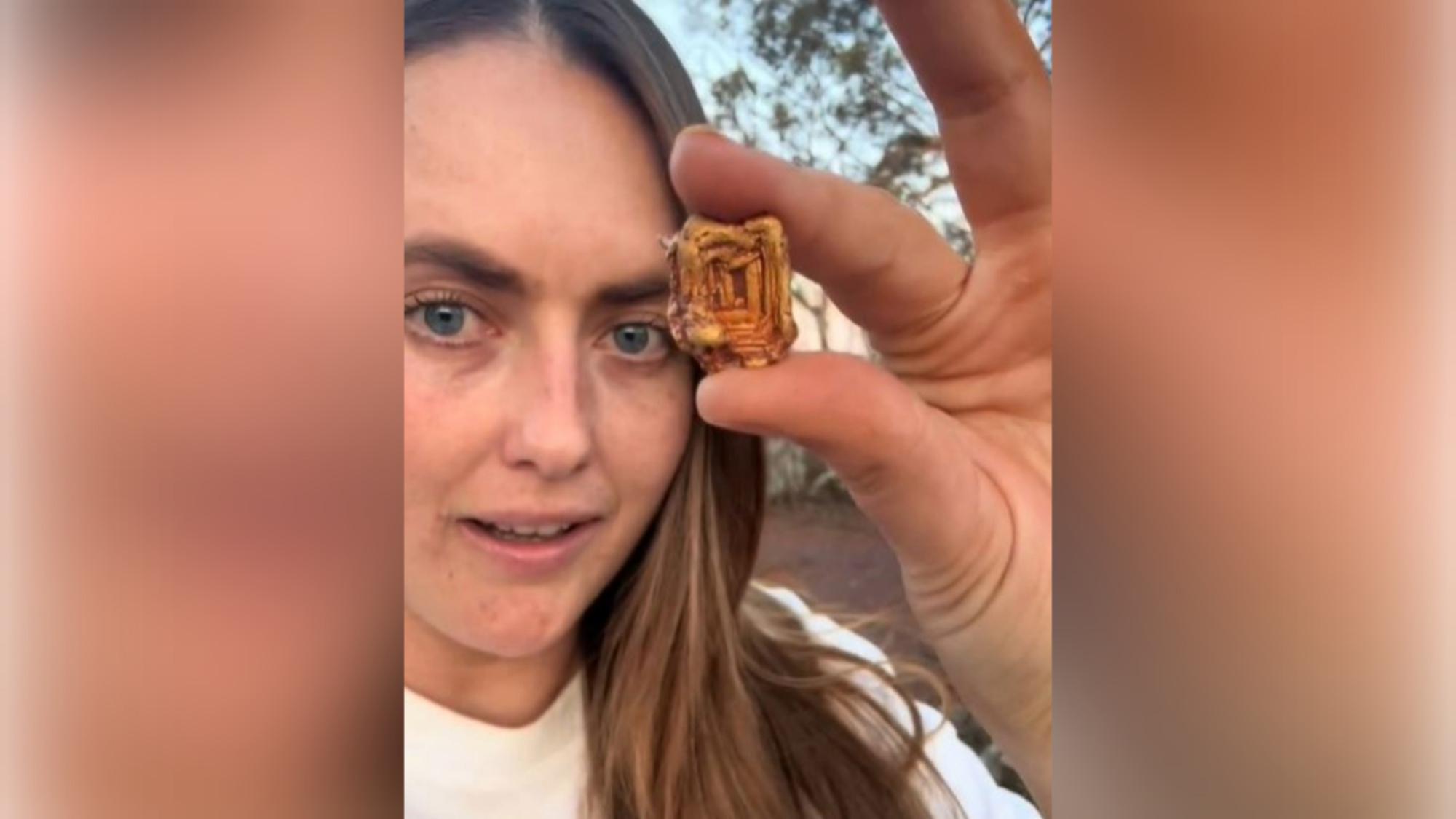
As for mercury, its illegal use continues in the shadows. The process remains the same: crush the rock, pan or run it through a gold wheel, add mercury, and let it bind to the gold. The leftover mercury is squeezed out with cloth, then the mix is burned—often in open air. “Don’t use it,” the prospector warns. “It’s just not worth it.”
Ultimately, education is key. For prospectors in remote jungles and cash-strapped regions, understanding the risks and alternatives could save lives—and the land.
The golden days may be long gone, but the toxic legacy of mercury still lingers. And unless stricter global controls and better support are put in place, the cost of gold will continue to be paid not just in dollars, but in damage.