
A sudden equipment failure at an Alaskan mine has offered one of the clearest views yet into the true scale of Parker Schnabel’s gold operation on Gold Rush—and the financial risks that come with it.
The incident occurred when the feed chute on “Big Bob,” one of Schnabel’s largest wash plants at Dominion Creek, shattered after an oversized rock slipped past the grizzly bars and struck the steel housing. The breakdown halted production instantly, forcing an emergency shutdown and urgent repairs in the middle of a 24-hour mining cycle.
While mechanical failures are nothing new in gold mining, this one proved unusually revealing. Cameras captured not just the repair effort, but the infrastructure and coordination required to keep a three-plant operation running—exposing the reality behind what has become the most productive mining setup in the region.
A System Built for Constant Motion
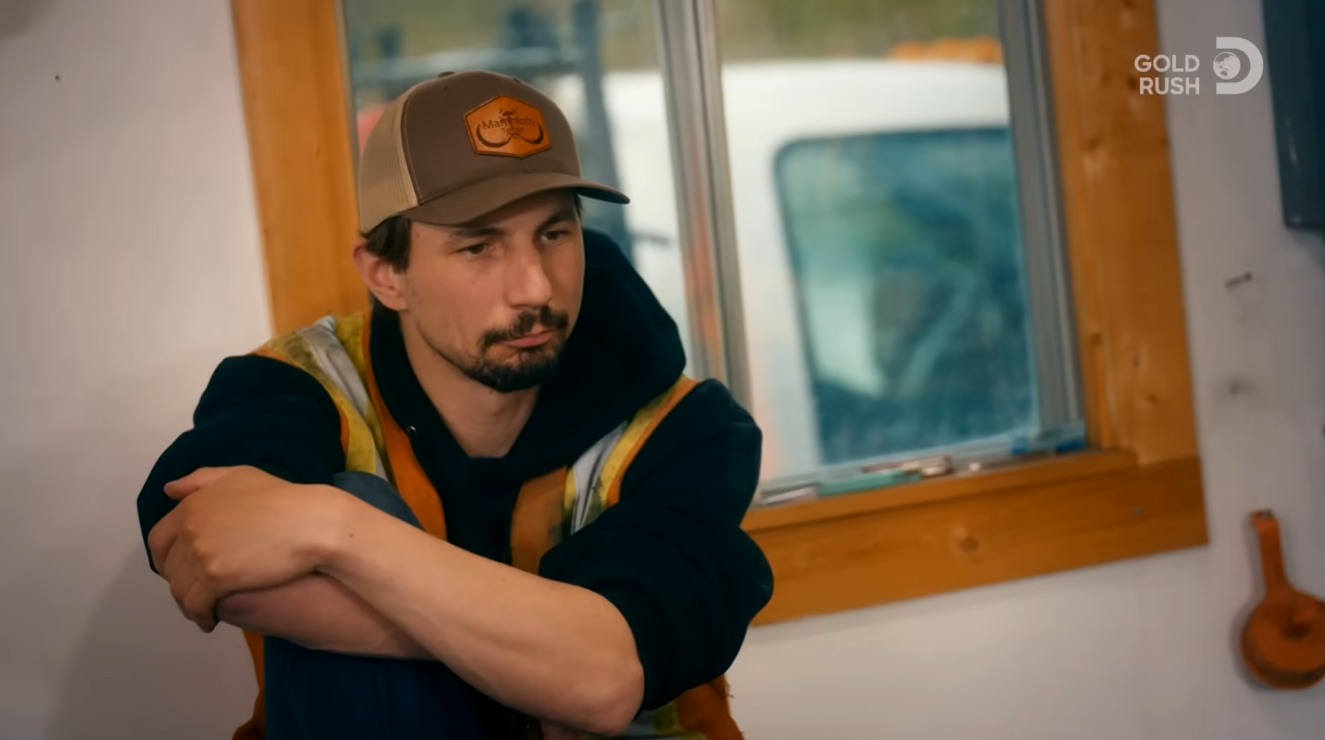
Schnabel currently runs three major wash plants—Big Bob, Roxanne, and Big Red—operating around the clock across multiple cuts. Together, they process more material in a single week than many small operations handle in an entire season.
Before the breakdown, Big Bob alone was delivering more than 300 ounces per cleanup, while Roxanne and Big Red routinely added hundreds more. Weekly totals regularly exceed 500 ounces, translating into well over a million dollars in gold at current prices.
That scale, however, leaves little margin for error.
When Big Bob went offline, the disruption rippled across the entire operation. Pay dirt had to be rerouted, stockpiles grew, truck schedules changed, and pressure mounted on the remaining plants to compensate. Every lost hour represented thousands of dollars in unrealised production.
Four Hours That Told the Story
Lead mechanic Mitch Blaschke and his crew completed a field repair in roughly four hours—an extraordinary feat given the damage and the remote conditions. In a conventional shop, the same job could have taken a full day or more.

But even a short shutdown carried significant consequences. With Schnabel targeting a 10,000-ounce season, every interruption tightens the margin. The breakdown came at a particularly sensitive time, with all three plants needed to justify a costly ground lease at Sulphur Creek.
The episode underscored a central truth of modern mining: scale amplifies both reward and risk. The same system capable of generating record-breaking totals can also magnify the impact of a single failure.
Dominance Comes With Exposure
The collapse did not derail the season. In the days that followed, Schnabel’s crew pushed production harder, delivering one of the strongest weekly results in the show’s history. But the incident revealed how dependent the operation is on continuous performance from both machines and people.
There are no idle backups waiting in reserve. Every wash plant, operator, and mechanic is essential. When something breaks, the response must be immediate—or the financial cost escalates rapidly.
For viewers, the moment offered rare insight into what sits behind Schnabel’s on-screen success: a tightly balanced industrial system operating at the edge of capacity, where dominance is maintained not just through scale, but through relentless pressure, fast decisions, and the ability to absorb risk.
As the season continues, the question is no longer whether Schnabel’s operation is the biggest on Gold Rush—it is whether the machinery, the crew, and the timing can hold together long enough to turn that scale into another historic finish.