What Happened When a Woman Prospecting for Gold Ended Up Face-to-Face with Danger in the Outback? Exclusive Revelations.

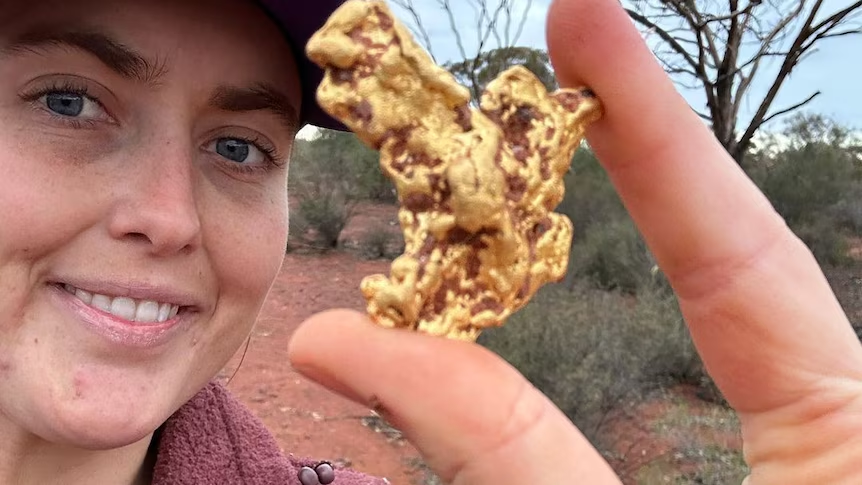
Tyler Mahoney isn’t your typical gold digger—she’s the real deal, a fourth-generation Australian prospector whose life is a gritty mix of high-stakes treasure hunts, extreme outdoor challenges, and unfiltered reality far beyond the polished scenes of reality TV. Rising to prominence through Discovery Channel hits like Gold Rush and Gold Rush: Parker’s Trail, Mahoney’s journey is a testament to resilience, shaped by a childhood in the unforgiving Australian bush and marked by personal battles that add depth to her on-screen persona.
Growing up in Western Australia, Mahoney was immersed in the world of gold mining from day one. Her parents, both dedicated prospectors, would whisk the family away on weekends and school holidays to remote outback locations, where the kids—including a young Tyler—roamed free amid dusty trails and abandoned mine shafts. “We’d be hooning around the bush while Mum and Dad were out detecting for gold,” she recalls. Schoolmates teased her relentlessly, dubbing her a “gold digger,” but Mahoney learned to flip the script with humor: “Not the fun type, though—the boring type,” she quips today.
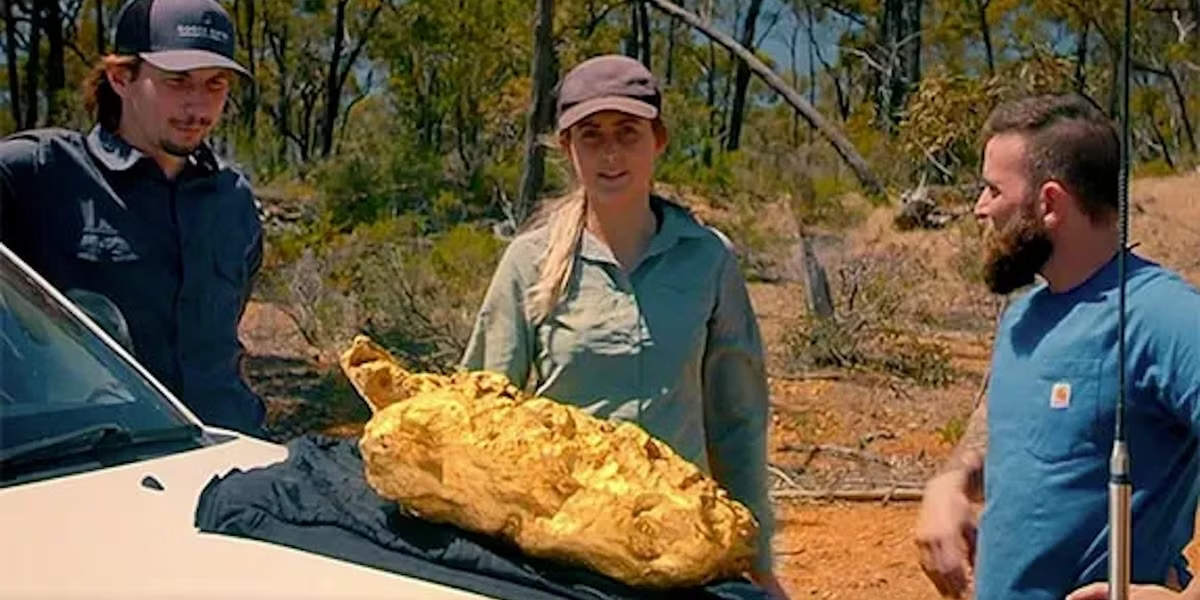
Those early escapades weren’t all fun and games; they often teetered on the edge of danger, forging her into the tough, self-reliant woman she is now. At just 12 years old, Mahoney faced a harrowing ordeal that could have ended tragically. While riding on the back of a motorbike with two younger cousins en route to a new campsite, their vehicle sputtered out of fuel in the middle of nowhere. The rest of the group had sped ahead, leaving the trio stranded. Ignoring the cardinal rule of the bush—never abandon your vehicle, as it’s how many prospectors vanish forever—the kids set off on foot in search of camp. “We were lost for so long,” Mahoney says. “My little cousins were crying, and I was terrified of wild dogs.” Hours later, they circled back to the bike and eventually stumbled into camp, only to find their parents oblivious to the drama. “They hadn’t even realized we were gone—no helicopters, no search parties,” she laughs now, but the incident instilled a profound sense of survival instinct.
This rugged upbringing was further influenced by watching her mother navigate the male-dominated mining world, where sexism was as pervasive as the red dust. Mahoney’s mum endured constant belittling, crude sexual comments, and outright hostility from men who doubted a woman’s place in the industry. “She had to fight tooth and nail to be taken seriously,” Mahoney explains. As Tyler entered her teens, she began experiencing the same biases firsthand. One vivid memory involves a “huge, burly” man hurling obscenities at her while she tried to sell fool’s gold at a market. But the dangers extended beyond words—remote prospecting sites, often hundreds of kilometers from civilization, left women vulnerable to isolation and potential threats.
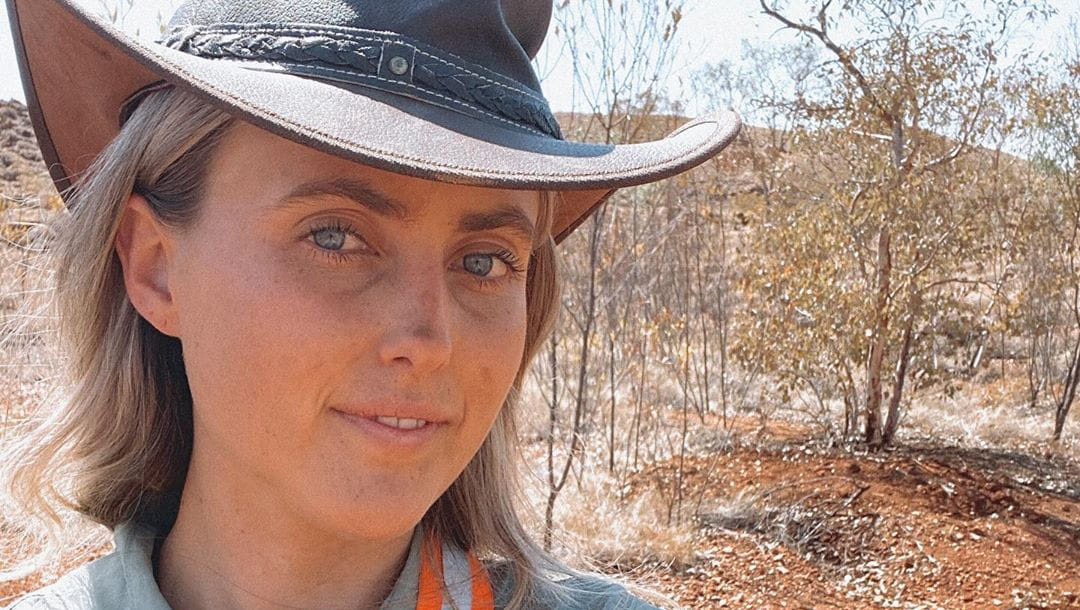
Mahoney shares a chilling story from her mother’s past: While prospecting with her sisters in a desolate area, her mum stepped away for a private moment only to spot a strange man lurking in the bushes, staring intently. Her heart racing, she radioed her sisters and summoned a male friend for backup. They confronted and chased the intruder away, but the “what if” lingered. “That uneasy feeling is always in the back of your mind,” Mahoney admits. “The bush feels like home, but you can’t ignore the risks.” While the industry is evolving—more women are entering the field, and attitudes are shifting—sexism remains a stubborn hurdle. Mahoney notes that many female prospectors still grapple with unequal treatment, from dismissive colleagues to the pressure of proving themselves twice over.
Amid these external challenges, Mahoney has confronted profound internal ones. For years, she battled a severe eating disorder that gripped her early twenties, rooted in deep-seated insecurities about her self-worth. “I was in complete denial,” she confesses. “I thought my weight defined everything about me—if I gained any, I couldn’t imagine being liked or loved.” This struggle intertwined with her mental health journey, which hit rock bottom in her late teens. Undiagnosed bipolar disorder manifested in impulsive decisions, like abruptly moving from Western Australia to Melbourne to chase a modeling career, followed by excessive drinking and partying. It took years for a diagnosis, and even longer to accept it due to the stigma surrounding mental health, especially bipolar. “I had no education on it; the symptoms felt embarrassing and shameful,” she says.
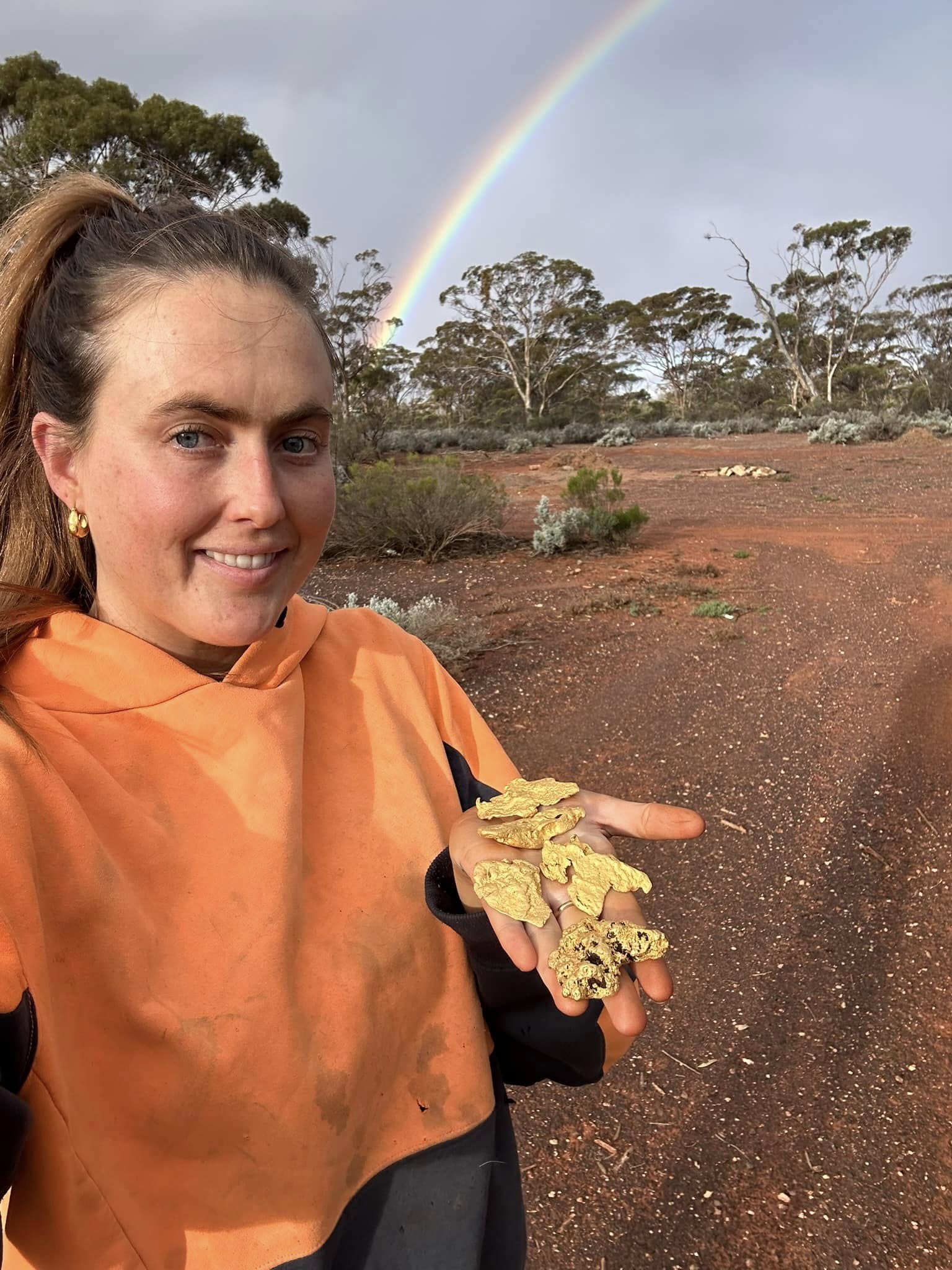
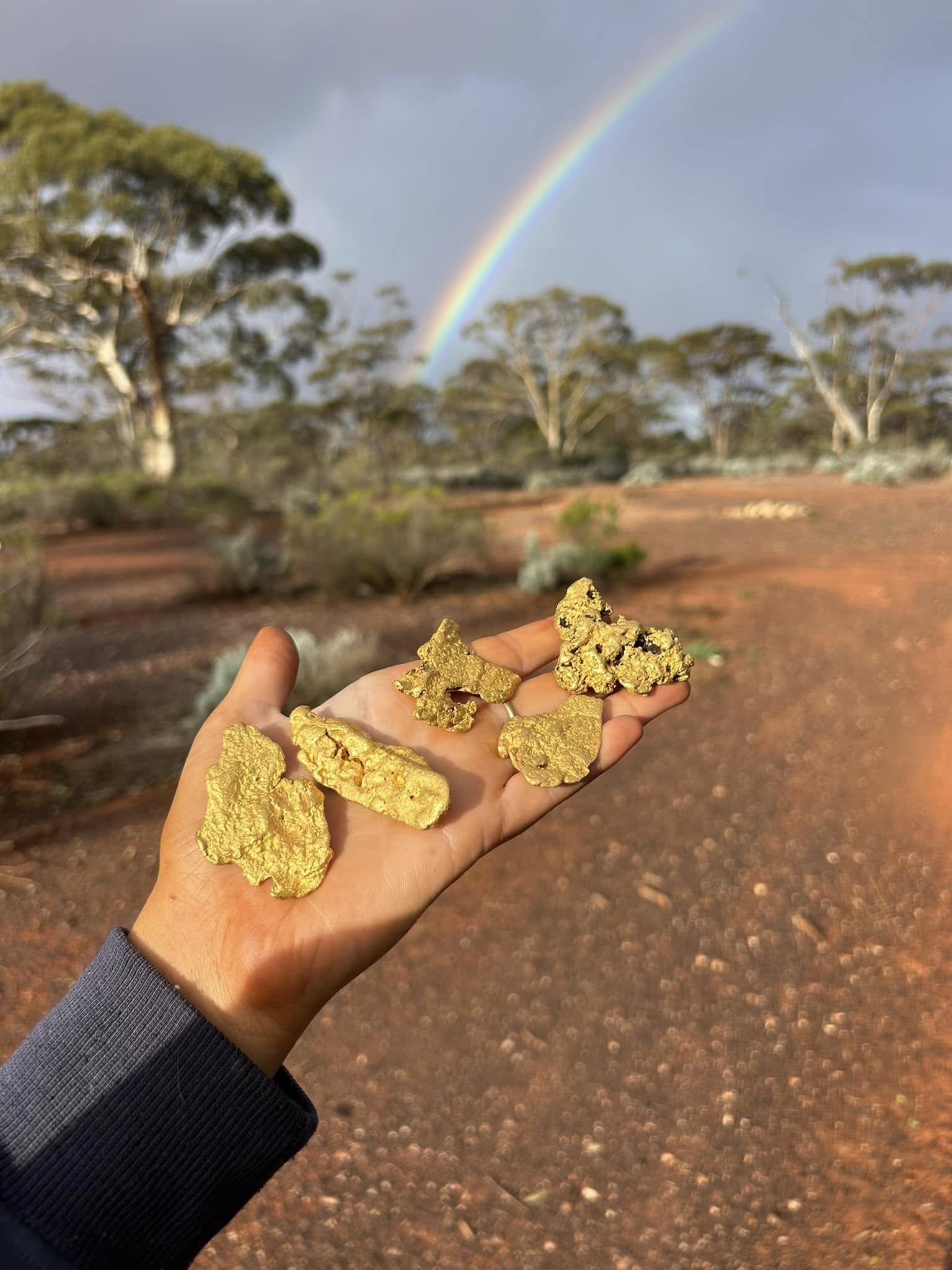
The isolation of prospecting—weeks without access to support or services—exacerbated these issues, prompting Mahoney to open up online. Sharing her story has connected her with thousands who feel seen and less alone. “I used to think I was crazy and unrelatable, but a problem shared is a problem halved, as Mum says,” she reflects. This vulnerability culminated in her memoir, Gold Digger, a raw account of carving out success in a tough industry while managing personal demons. The book not only highlights her triumphs but also advocates for mental health awareness, emphasizing that strength comes from acknowledging weaknesses.
Yet, even in the spotlight, Mahoney faces backlash. Online trolls swarm her social media, critiquing her appearance, career choices, and TV friendships—particularly her close bond with Gold Rush co-star Parker Schnabel. Their on-screen chemistry sparked dating rumors, leading to invasive comments and a Google search dominated by speculation rather than her accomplishments. “Who I’m dating and my weight—people fixate on that over my actual achievements,” she says with evident frustration. “There are more important things in my life.” Her dedicated online community often steps in to defend her, turning negativity into a platform for positivity.

Despite the hardships, Mahoney thrives on the thrill of the hunt. She’s no stranger to “suffering for the story,” as evidenced by a recent top-secret TV shoot that involved jungle evacuations for parasites, trench foot, and altitude sickness. “The best TV comes when we’re actually struggling,” she laughs. Embracing the unglamorous reality—no makeup, no showers for up to 10 days, dodging snakes and spiders—she wouldn’t trade it. However, she draws a firm line at North American wildlife: After encountering a black bear during a U.S. shoot, she balks at locals’ advice to “just yell at it.” “That’s way scarier than any Aussie critter!”
Through it all, Mahoney proves she’s more than capable—often outperforming her male counterparts in a field that demands grit, smarts, and endurance. Her story, detailed in Gold Digger, is an inspiring blueprint for young women breaking barriers, reminding us that true treasure lies in perseverance and authenticity. As she continues to prospect and advocate, Mahoney’s life remains a wild, unscripted adventure—one that’s far richer than gold.