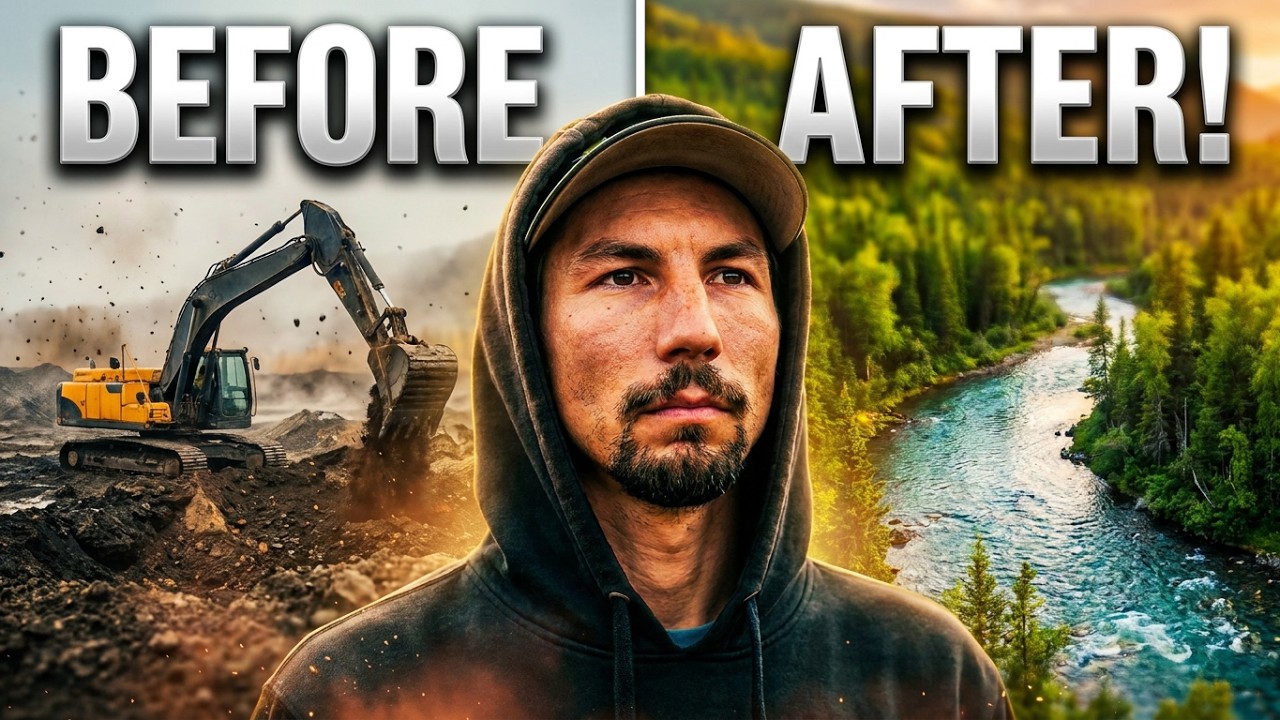
As fans celebrated the record-breaking gold hauls of Gold Rush Season 16, a lesser-known story unfolded behind the cameras: the enormous responsibility miners face in restoring the land they excavate. While Parker Schnabel, Tony Beets, and Rick Ness dazzled audiences with massive machinery, grueling work schedules, and high-stakes decisions, the crucial task of land reclamation often went unseen.
After months of stripping away overburden, moving millions of yards of dirt, and operating enormous wash plants, the landscape of mining claims in Alaska and the Yukon is left dramatically altered. Forested areas are cleared, natural vegetation removed, and ground reshaped in search of pay dirt. What may look like barren wasteland to outsiders is, in reality, an intricate and highly regulated mining operation.
Before even starting a mining season, operators must secure permits and adhere to strict environmental guidelines. Among the most important requirements is land reclamation: restoring the terrain to a condition that supports wildlife and future land use. Failure to comply can result in steep fines and jeopardize future mining permissions, making reclamation essential not just for the environment, but for the survival of mining operations.

Parker Schnabel has emerged as a vocal advocate for responsible reclamation. Drawing from a lifetime in the industry, Schnabel emphasizes that the future of placer mining depends on demonstrating environmental stewardship. His efforts at the Little Flake Mine earned him the Lecky Award from the Yukon government, recognizing years of dedication to restoring mined land and ensuring sustainable practices.
While Schnabel’s commitment shines, not every miner has maintained a flawless record. Legendary figure Tony Beets has faced fines and occasional violations over decades in the business, underscoring the strict oversight applied to mining operations. Yet even with the challenges, crews understand that proper reclamation is non-negotiable. Rebuilding topsoil, replanting grasses and trees, and restoring natural drainage systems are labor-intensive tasks that continue long after gold has been extracted.
Beyond regulatory compliance, land reclamation serves broader ecological and community purposes. Proper restoration ensures local wildlife can return to disrupted habitats and preserves water quality in nearby streams and rivers. In regions where salmon, trout, and other species are critical, stabilizing landscapes and maintaining natural drainage has a direct impact on ecosystems and local livelihoods.
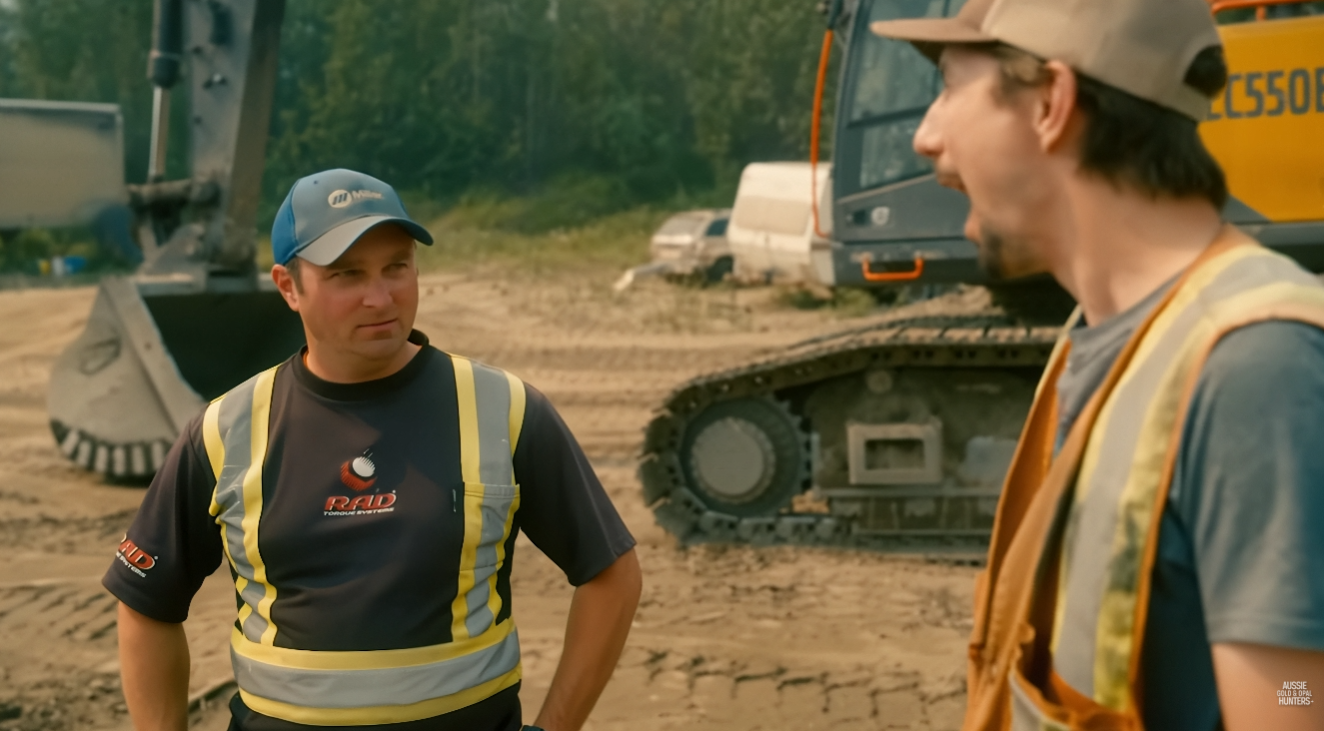
The work also helps maintain positive relationships between miners and surrounding communities. Residents often voice concerns about noise, habitat destruction, and environmental disruption. Demonstrating responsible reclamation shows that mining companies are accountable, fostering trust and support for continued operations.
For miners like Schnabel, Beets, and Ness, land restoration is part of the job—albeit one that rarely captures viewers’ attention. “Every ounce of gold comes with a responsibility,” Schnabel has noted, emphasizing that the excitement of discovery must be balanced with care for the land. By restoring mined areas, crews ensure that future generations of miners can responsibly work the same grounds, and that ecosystems have a chance to recover fully.
As audiences celebrate the drama and triumphs of gold extraction, the quiet dedication to reclamation remains a foundational element of modern mining. While it lacks the spectacle of a million-dollar weigh-in, its significance cannot be overstated: it is what allows Gold Rush and the mining industry at large to sustain both the environment and the livelihoods that depend on it.
