
As Gold Rush barrels through one of its most ambitious seasons to date, fans are locked in on Parker Schnabel’s boldest gamble ever – a 10,000-ounce season. With gold prices soaring and multiple wash plants running simultaneously, the stakes have never been higher. However, amidst the chaos, a subtle yet noticeable shift has captured viewers’ attention: Mitch Blaschke is not on screen as much as he used to be.
For long-time fans of Gold Rush, Mitch Blaschke has become a fan favorite, seen as more than just a mechanic. Over the years, Blaschke evolved into a stabilizing force in Parker Schnabel’s operation. He was the one Parker turned to when the pressure mounted, when wash plants broke down, or when production goals seemed out of reach. Blaschke was a calming presence, allowing Parker to focus on the bigger picture. His mechanical expertise, calm demeanor, and technical competence made him a key figure on screen, especially during tense moments. But his reduced presence this season has sparked curiosity: has something changed behind the scenes?
The truth, it seems, is less about conflict and more about how Parker’s operation has grown and evolved. In order to reach the unprecedented goal of 10,000 ounces, Parker had to fundamentally rethink how his mining empire was structured. This season is not built like previous ones. In the past, one wash plant, one crew, and a unified leadership team were enough. But Parker’s goal demanded more — more specialization, more delegation, and, ultimately, more trust in his team. Rather than keeping his top people clustered around him, Parker made the decision to divide his operation into multiple semi-independent units.

At Indian River, Mitch Blaschke and Brennan Ruault were given the responsibility of overseeing operations. Meanwhile, at Dominion Creek, Tyson Lee took charge. Parker positioned himself as the overseer, focusing on overall gold totals and high-level decisions, stepping in only when absolutely necessary. The result? A shift in the narrative of the show, as the spotlight naturally moved to the new leaders, such as Tyson Lee, who now faces fresh challenges in his expanded role.
This structural shift explains much of Mitch’s absence from the screen. In reality TV, the cameras tend to follow the loudest problems, and success without struggle doesn’t necessarily make for compelling television. When Mitch used to dominate screen time, it was often because something had gone wrong — a mechanical failure, a production setback, or a looming deadline. This season, however, the operation at Indian River has run efficiently enough that there hasn’t been the same level of crisis. Mitch’s job is still critical, but this time, the calm operation he’s running doesn’t demand constant intervention or screen presence. In many ways, his reduced screen time is evidence of how well he is doing his job.
The cameras may not be capturing Mitch in action, but Parker’s trust in him is evident. In fact, it’s more telling that Parker doesn’t feel the need to constantly check in on Mitch. In earlier seasons, Parker often needed Mitch close by because the operation was still fragile, and every problem had the potential to derail everything. This season, Parker’s operation has matured, and Mitch’s work speaks for itself — even when the cameras aren’t there to capture it.
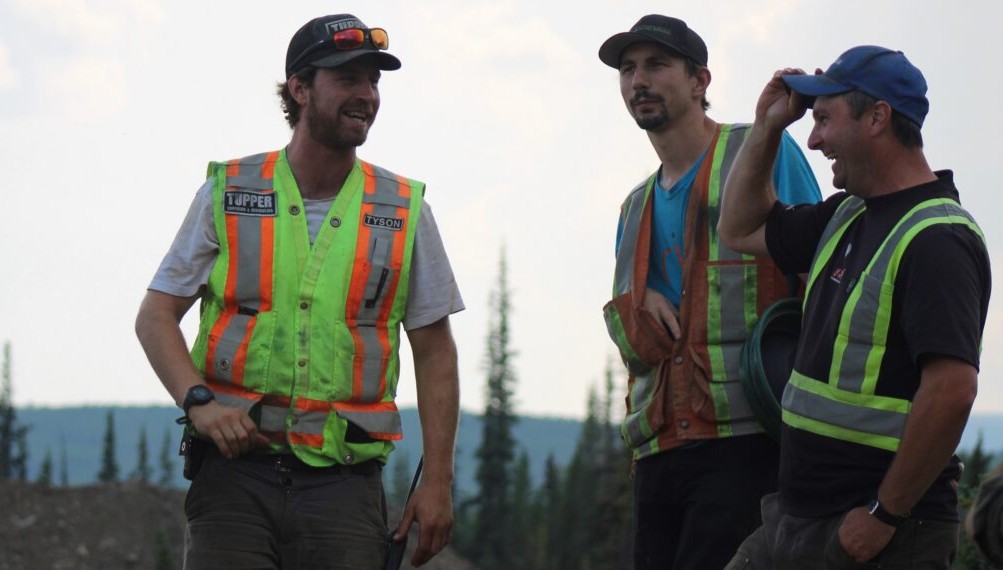
This evolution of Parker’s operation is also reflected in the rise of Tyson Lee. What once started as Tyson’s role as a rock truck driver has now expanded to overseeing major wash plants. In season 16, Parker has explicitly tasked Tyson with making difficult decisions, such as firing underperforming crew members. This shift signifies a key development in Parker’s leadership strategy: expanding his bench of trusted leaders and ensuring that the responsibility of the operation doesn’t fall on one person alone. By doing so, Parker is preparing for the future and pushing Tyson to step into more demanding roles.
The broader narrative of Gold Rush has also evolved. No longer is the show centered on whether Parker can keep his operation running. This season, the focus is on how he can sustain a large-scale mining operation while managing significant financial risks and long-term production targets. With multiple wash plants running in parallel and a network of crew leaders, Parker’s role has shifted from solving daily problems to making strategic decisions that affect the entire season.

While Mitch Blaschke may not have the same screen presence this season, his value is still undeniable. As Gold Rush progresses toward the 10,000-ounce goal, Mitch’s quiet leadership continues to play a pivotal role in ensuring the success of Parker’s operation. When problems arise, Mitch will likely return to the spotlight, as the cameras follow the drama of mining life. For now, however, his absence is simply a sign of how much Parker’s empire has grown and how well Mitch is handling the immense responsibility he’s been entrusted with.
Ultimately, season 16 of Gold Rush may be remembered not just for Parker Schnabel’s ambitious 10,000-ounce goal, but for the transformation of his operation. The shift in leadership, the expanded roles of trusted crew members like Mitch Blaschke and Tyson Lee, and the overall maturity of the mining network have set Parker up for success in ways previous seasons never could. As the show moves forward, it will be fascinating to see how the structure continues to evolve and whether Parker can achieve his record-breaking goal. If this season is any indication, Parker’s mining empire is poised to continue its ascent to new heights.
