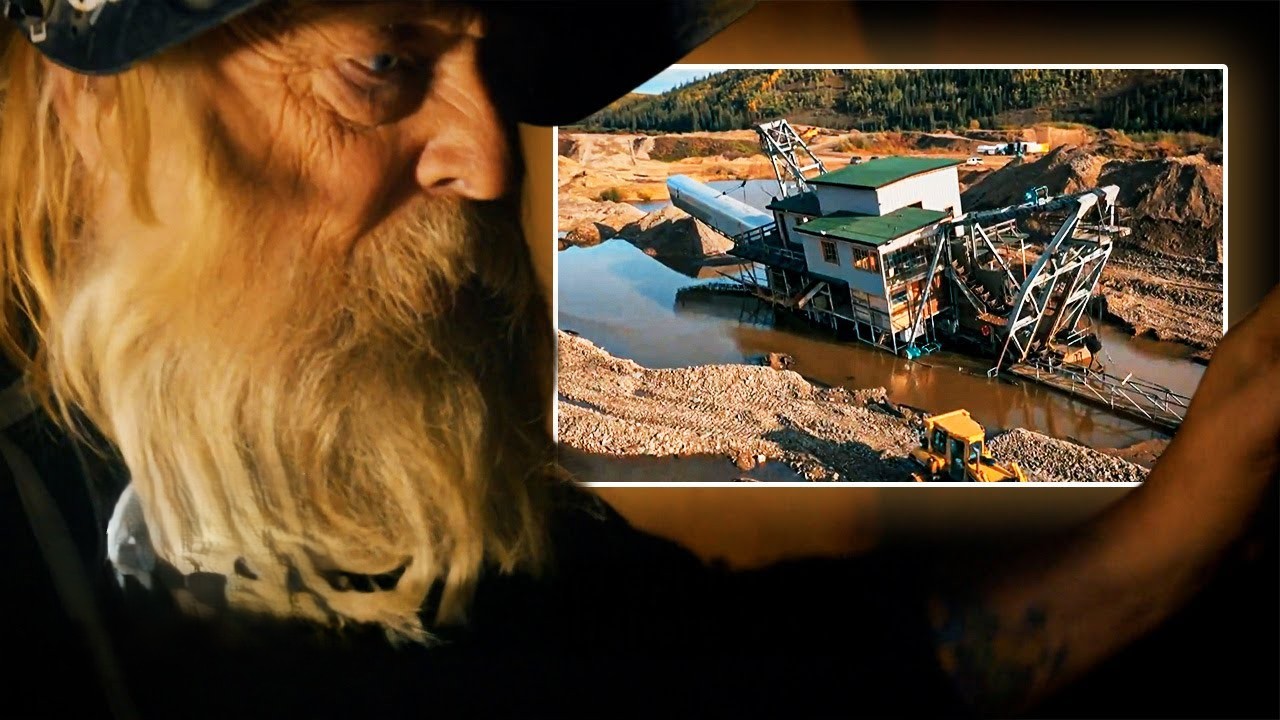
As the Yukon mining season winds down with trees turning and frost creeping in, veteran miner Tony Beets is pushing his operations to the limit at Indian River. With his primary thawed paydirt submerged underwater, Beets has turned to his venerable 85-year-old dredge—a massive, 350-ton behemoth—to extract more gold before winter shuts everything down. But a recent mishap nearly derailed the effort, highlighting the high-stakes risks of frontier gold mining.
The dredge, operated by a low-cost two-man crew including dredge master Greg Mason and Mike, is equipped with 72 buckets and an onboard trommel capable of processing paydirt to yield up to 80 ounces of gold per week. “I’m the only guy here that runs a dredge,” Beets proudly stated. “So yeah, I think it’s kind of special.”
Last season, Beets enlisted his longtime friend Greg Mason to revive the machine after a five-year hiatus. This year, the team faced a new challenge: relocating the dredge 300 feet southward to access the underwater pay. Perched on raised bedrock, the dredge’s onboard winch motors proved insufficient, prompting Beets to deploy two D7 anchor dozers to haul it free.
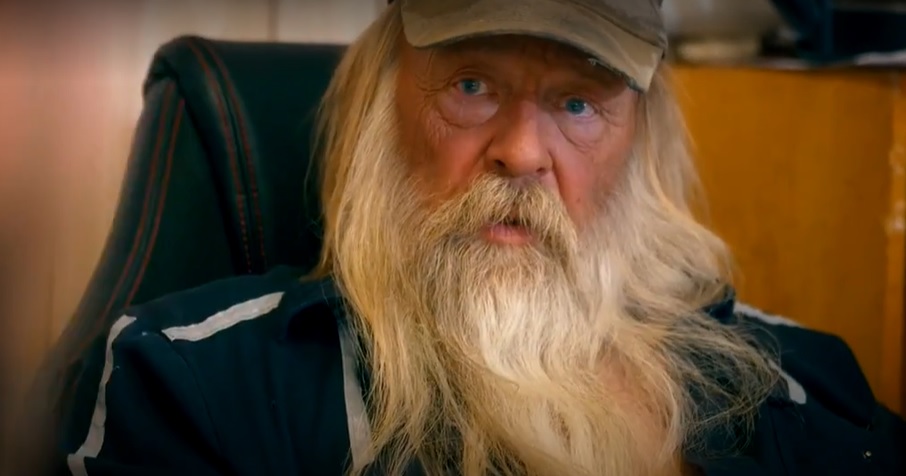
“Everybody clear?” Beets radioed before initiating the pull. Mason, monitoring from the dredge, reported: “Tony is tugging us along right now. Mike is pulling from the other side, but Tony’s doing most of the work.” The maneuver succeeded, with Beets exclaiming, “Yeah, man. That’s working. It’s coming. Bingo.”
Initially buoyant—literally and figuratively—the team fired up the trommel and bucket ladder. “Four scoops of dirt. Let it go. She’s dredging,” Mason announced. But triumph turned to trouble overnight when the dredge listed dramatically to one side. “Something’s wrong here. Why is it leaning so much? Oh crap. Oh jeez. She’s sunk,” Mason lamented. “Tony ain’t going to be happy.”
The culprit: a leak in one of the dredge’s 70-foot pontoons, likely caused by banging against bedrock during the relocation. Water flooded in, threatening to submerge critical components like the generator and pumps. “Water and electricity don’t mix,” Mason warned. “If the other side goes under, there’s a lot more stuff that could be damaged.”
With the season’s clock ticking, the crew sprang into action. They installed two large pumps on the bank to drain the pond, lowering the water level for access to the pontoon’s deck hatch. A smaller internal pump then emptied the flooded compartment. “This is the biggest pump we have. It’s big and ugly, but it will move a lot of water,” Mason said as they positioned it.
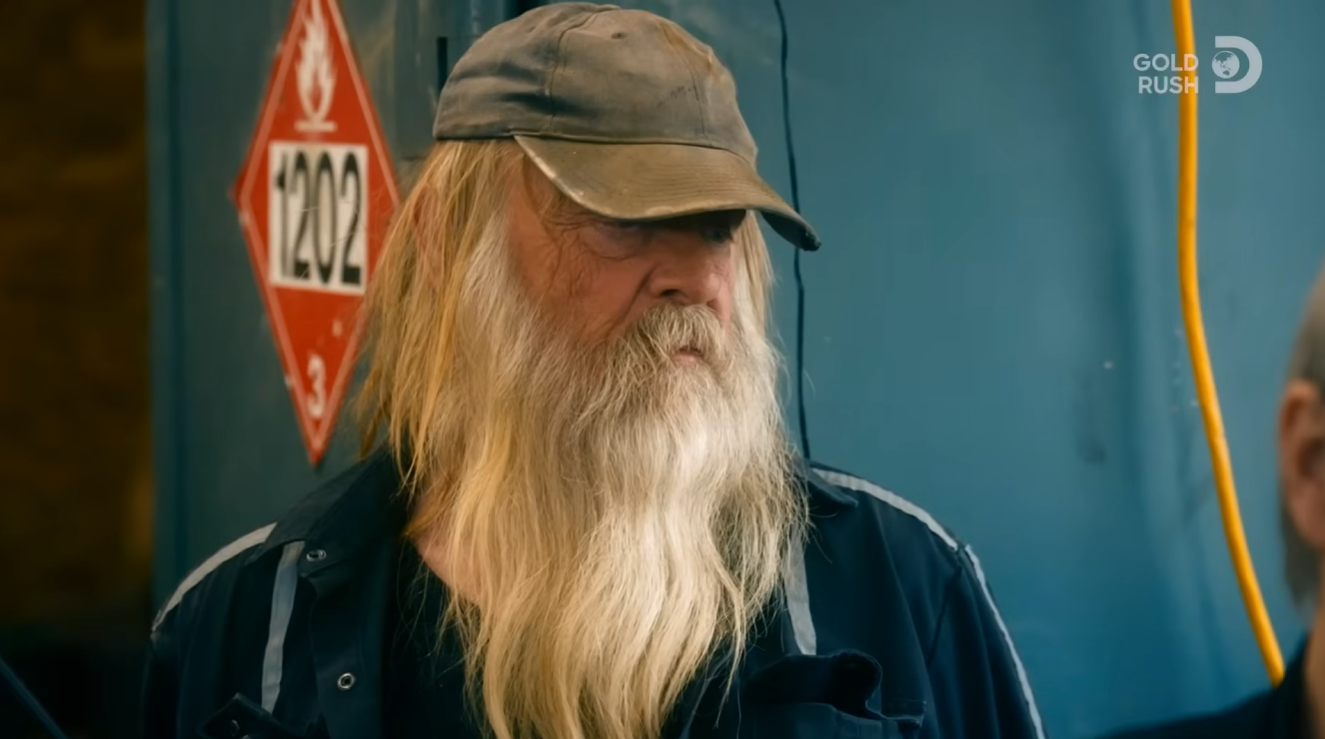
By morning, the water had dropped sufficiently. Inspecting the damage, Mason identified a pulled rivet in the metal walls—a consequence of the rough pull over bedrock. “This is an old boat, so you’re going to have a little bit of rusting. You’re going to spring the odd leak,” he explained. A quick patch job sealed the breach. “Things done. Perfect. Good enough,” Mason declared.
After two days of downtime—precious time lost in a late-season push—the dredge was refloated and operational again. “That was an easy fix. Really, not 100%, but it’ll make do for the rest of the season,” Mason noted. Beets, surveying the revived machine, added with characteristic grit: “Well, I always did like to see the dredge run. It does a good job. So, it’s something unique. Back on the money, I guess.”
For Beets, the incident underscores the relentless demands of Yukon mining. “As long as you have some gold trickling in, you’re always okay,” he reflected earlier. With the dredge now humming, Beets aims to maximize output before the freeze sets in, potentially banking enough to offset the setback.
Industry watchers note that such antique equipment, while cost-effective, carries inherent risks in the harsh northern environment. Beets’ operation remains a testament to ingenuity and perseverance in the modern gold rush. As one crew member quipped amid the repairs: “You got to leave your boat. You got to go fix it. So, there’s no difference here.”
