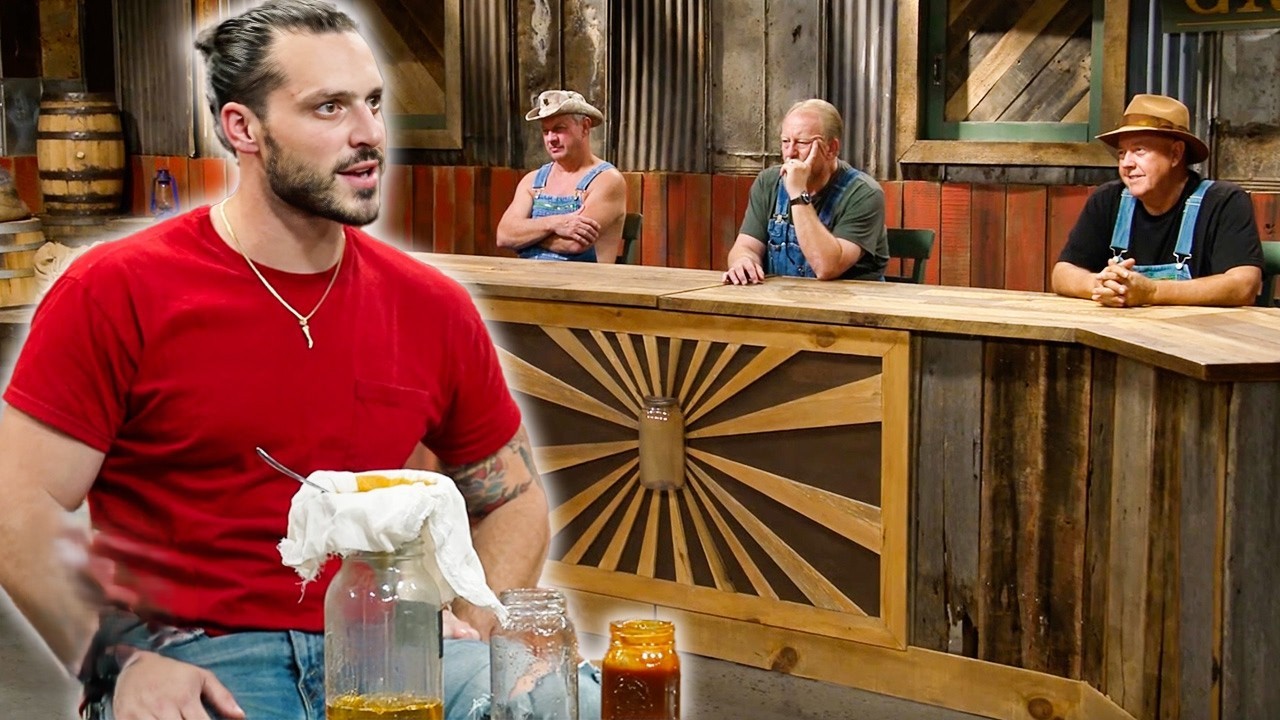
A professional distiller from Connecticut has been crowned champion on the Discovery competition series Master Distiller, impressing judges with a bold spirit built almost entirely from ingredients foraged in the wild.
Tony Gino, 31, of Manchester, Connecticut, secured the title after a multi-round challenge that required contestants to create a mash and finished liquor using ingredients sourced directly from nature. The episode placed heavy emphasis on traditional foraging — a practice long associated with backwoods distilling culture — and tested each competitor’s ability to turn raw, local materials into a market-ready product.
For Gino, who has been professionally distilling for four and a half years, the challenge was personal.
“Foraging’s been a big thing around our world forever,” he told judges during the competition. “Whether it’s something to eat or something to make a drink, some of the best liquor I’ve ever run was stuff I found in the woods.”
A Botanical Rum with a Regional Identity
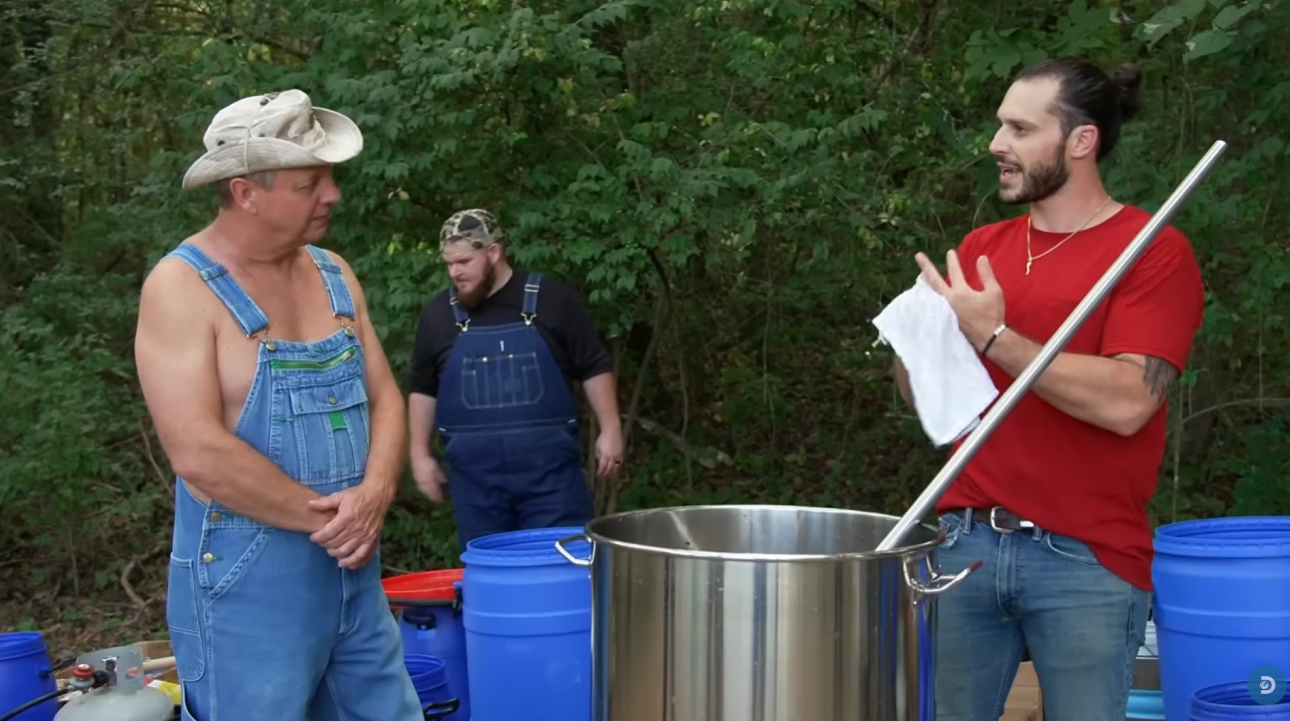
In the first round, Gino crafted an herbal rum mash using molasses as a sugar base, incorporating dogwood berries, beach plums, wild mint, wild basil, wild coriander and lemon verbena grown in his own garden. All botanicals were sourced locally from around Connecticut.
Despite concerns that his mash had not fully fermented — potentially limiting alcohol yield — Gino focused on flavor development rather than speed. His run progressed more slowly than competitors’, but he remained confident that quality would outweigh quantity.
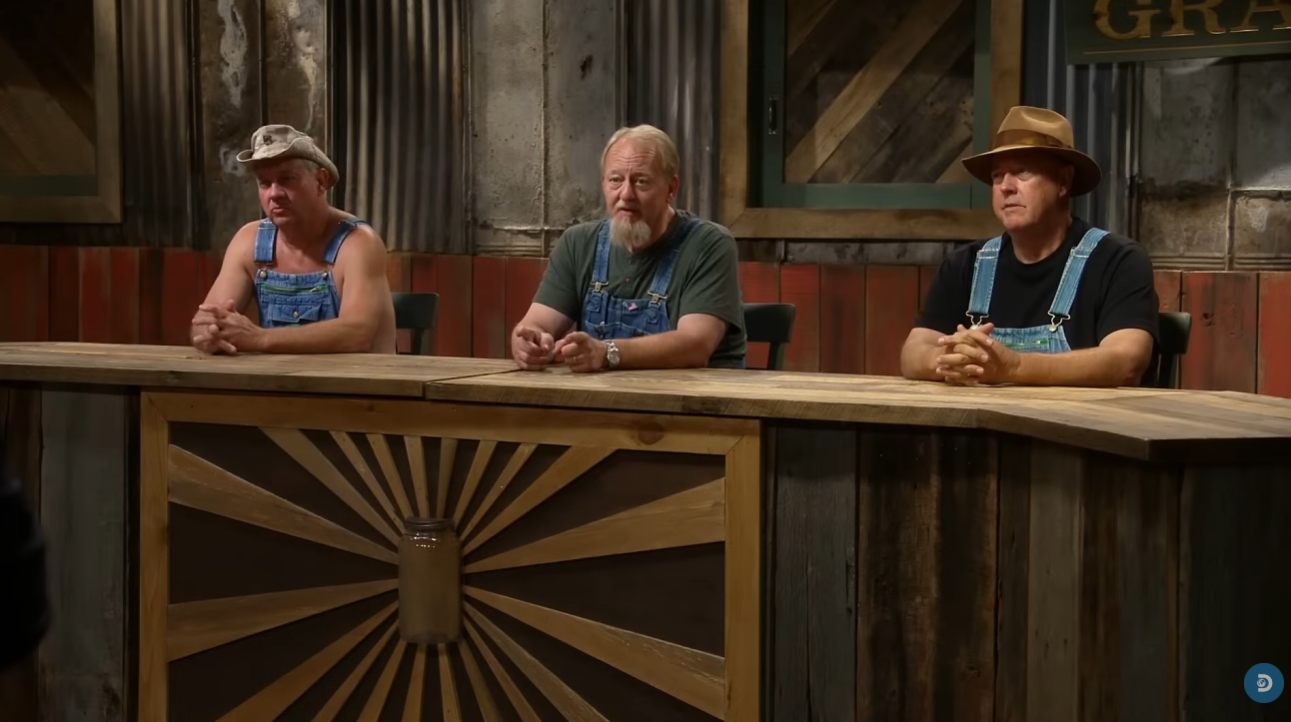
Judges praised the resulting spirit’s complexity and noted the distinctive finish provided by the lemon verbena, describing it as unlike any rum they had encountered.
Reinventing the Second Run
For the second phase, contestants were required to refine their distillate using self-assembled still configurations. While others opted for traditional thumpers to enhance flavor, Gino chose a gin basket — a device designed to vapor-infuse botanicals during distillation.
The decision marked a strategic risk.
Rather than produce a conventional rum, Gino reimagined his base as a hybrid rum-gin spirit, layering juniper berries, wild mint, basil, coriander, lavender and lemon verbena into the gin basket. Though he later realized he had forgotten to add anise seed — intended to introduce a licorice note — the judges responded enthusiastically to the finished product.
They described it as smooth, balanced and commercially viable, highlighting its “marketability” and unusual fusion of gin aromatics with rum character.
A Bold Final Twist
In the final presentation round, Gino elevated his spirit further by adding homemade Kousa dogwood berry jam and sea salt he had personally produced from Long Island Sound water. He explained that he had collected saltwater, filtered it and dehydrated it to create natural sea salt — a step judges called “taking foraging to the next level.”
The jam contributed a bright citrus profile reminiscent of tangerine, while the salt introduced subtle depth and mouthfeel. The final product measured approximately 90 proof and was described as both innovative and cohesive.
Judges noted that the citrus tones complemented the gin-forward botanicals, while the salt balanced sweetness and enhanced overall structure.
A Limited Release and a Title Earned
As winner of the episode, Gino earned the title of Master Distiller and will receive a limited production run of his foraged spirit on the shelves of a major distillery — a significant commercial opportunity within the craft spirits industry.
In their closing remarks, judges praised not only the flavor profile but also the authenticity of Gino’s approach.
“Kousa dogwood berries — I’ve never had those before, and I’m a forager myself,” one judge commented. “You actually forged for it. That jam brought it to the table.”
The episode concluded with Gino being declared the next Master Distiller, cementing his reputation as an innovator capable of bridging traditional foraging practices with modern distilling technique.
For a competition rooted in heritage and craftsmanship, it was a fitting victory — one forged in the woods and refined in the still.