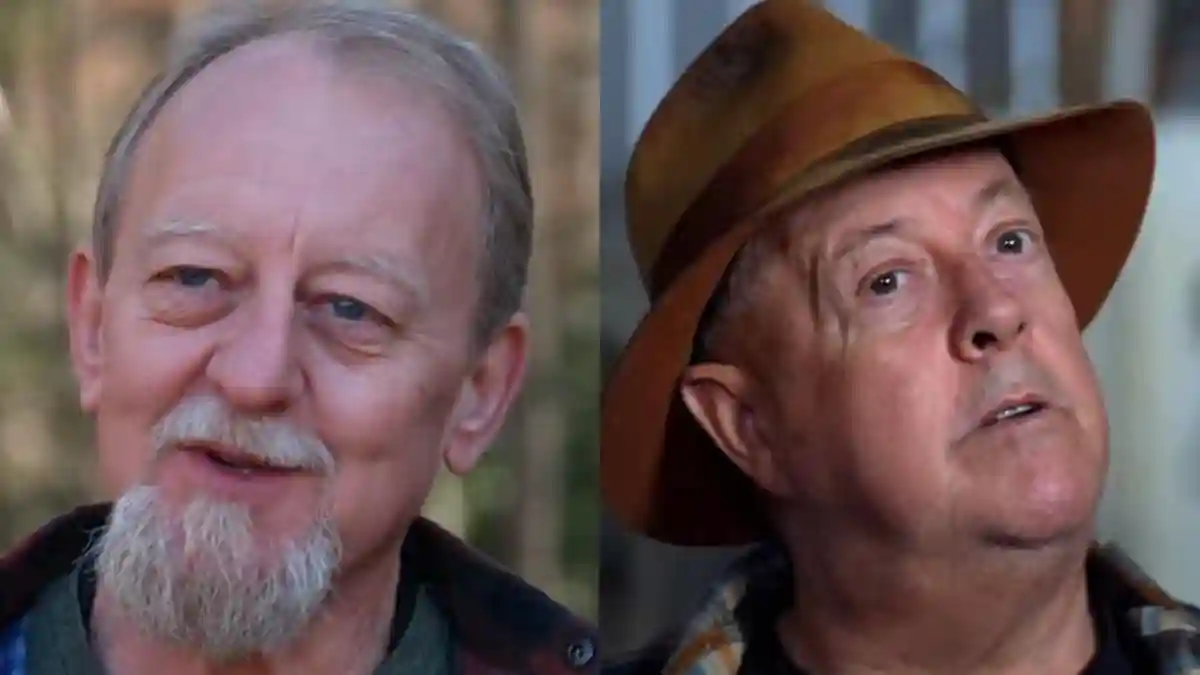
In a revelation that has sent shockwaves through fans and the moonshining community alike, Eric “Digger” Manes, the beloved star of Discovery Channel’s hit series Moonshiners, has publicly disclosed his diagnosis with chronic lymphocytic leukemia (CLL), a form of blood and bone marrow cancer. The announcement, made during Season 13 of the show, has “broken the internet,” as viewers rally in support of the Tennessee native whose journey from backwoods distiller to TV personality has inspired millions.
Manes, 61, shared the news in an emotional on-screen moment with his longtime partner and co-star Mark Ramsey. “After more extensive tests, my definite diagnosis is chronic lymphocytic leukemia,” Manes said calmly, adding with his signature grit, “It ain’t no fun, though. Probably will just make me miserable until something else kills me.” Despite the gravity of the situation, Manes emphasized that CLL is not terminal and expressed gratitude for the outpouring of prayers and support from fans.
The diagnosis marks a stark contrast to Manes’ rugged, self-reliant image, forged in the hills of East Tennessee. Born on February 20, 1964, in Newport, Manes grew up in a tight-knit community where hard work was a way of life. His father, Charlie Manes, ran Brown Funeral Home, and young Eric spent his childhood assisting with embalming and other duties, eventually earning his own license. This somber environment instilled in him a meticulous attention to detail – skills that would later prove invaluable in the art of moonshining.

Drawn to the independent spirit of local moonshiners, Manes rejected the allure of quick riches from the illicit trade. Instead, he admired their generosity and community ties. “The old guys making liquor were gentle and always helped people in need,” he once reflected. Under the mentorship of legendary moonshiner Marvin “Popcorn” Sutton, Manes honed his craft, learning to build stills, select ingredients, and perfect distillation techniques.
Manes’ big break came in 2014 when he joined Moonshiners in its fourth season, convinced by Ramsey to step into the spotlight after years of operating under the radar. The duo’s authentic chemistry – marked by brotherly banter, problem-solving, and mutual respect – quickly became a fan favorite. “We do love each other like brothers,” Manes has said. Together, they transitioned from illegal operations to a legal partnership with Sugarlands Distilling Company, producing flavors like hazelnut rum and rye apple shine.
The show, which premiered in 2011 and has aired over 262 episodes, has faced scrutiny over its authenticity. Critics argue that dramatic elements, such as close calls with law enforcement, are staged for entertainment. While copper stills and techniques are real, officials in states like Virginia have claimed no actual illegal distilling occurs on camera. Manes, however, brings undeniable expertise from four decades in the trade, blending tradition with innovation using ingredients like elderberries.
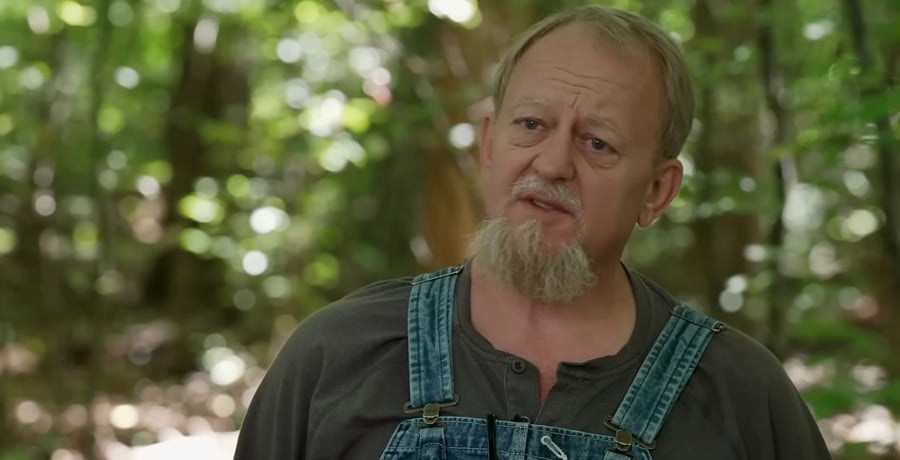
Despite the fame, Manes has remained grounded, prioritizing privacy for his family and continuing to run a funeral home in Newport. Financial stability from the show has provided security after years of instability, but his passion lies in the craft passed down by Sutton and others. As a judge on the spin-off Moonshiners: Master Distiller, Manes has mentored newcomers, preserving Appalachian moonshining heritage.
Now, facing CLL – characterized by abnormal lymphocyte growth and symptoms like fatigue and infections – Manes approaches his health with the same determination that defines his life. Treatment options range from watchful waiting to targeted therapies, chemotherapy, or stem cell transplants, depending on progression. Details of Manes’ specific regimen remain private, but he continues filming, with producers accommodating his needs respectfully.
The revelation has humanized the moonshining icon, drawing heartfelt responses from co-stars like Steven Ray Tickle, Josh Owens, and Tim Smith, as well as fans sharing their own stories on social media. “Your prayers are more than welcome and felt,” Manes responded.
In a world where reality TV often amplifies drama, Manes’ story stands as a testament to resilience. From funeral home duties to forest stills, and now battling illness on national TV, he embodies the enduring spirit of the mountains. As he told Ramsey, he’s going “big before he goes home” – a vow that resonates with admirers everywhere.
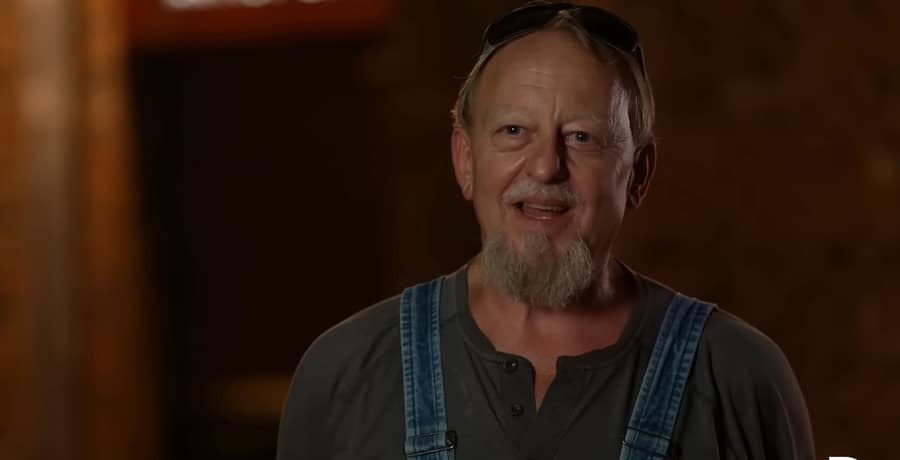
Moonshiners: A Cultural Phenomenon Rooted in Appalachian Tradition
Discovery Channel’s Moonshiners, produced by Magilla Entertainment, has captivated audiences since its 2011 debut, offering a glimpse into the secretive world of illegal distilling in the Appalachian Mountains. Spanning Kentucky, the Carolinas, Tennessee, and Virginia, the series blends docudrama with high-stakes adventure, drawing parallels to hits like Deadliest Catch and Gold Rush.
Moonshining’s roots trace back to the late 1700s, when farmers evaded federal alcohol taxes, sparking the Whiskey Rebellion. It peaked during Prohibition in the 1920s and persisted in remote areas post-repeal. By the 21st century, the tradition was waning, but Moonshiners has helped preserve it, showcasing real techniques amid dramatized scenarios.
Key cast members like Tim Smith (151 episodes), Tickle (150), and Josh Owens (175) have transitioned to legal ventures, such as Smith’s Climax Moonshine. Spin-offs like Tickle (2013) and Moonshiners: Whiskey Business (2019) expanded the franchise.
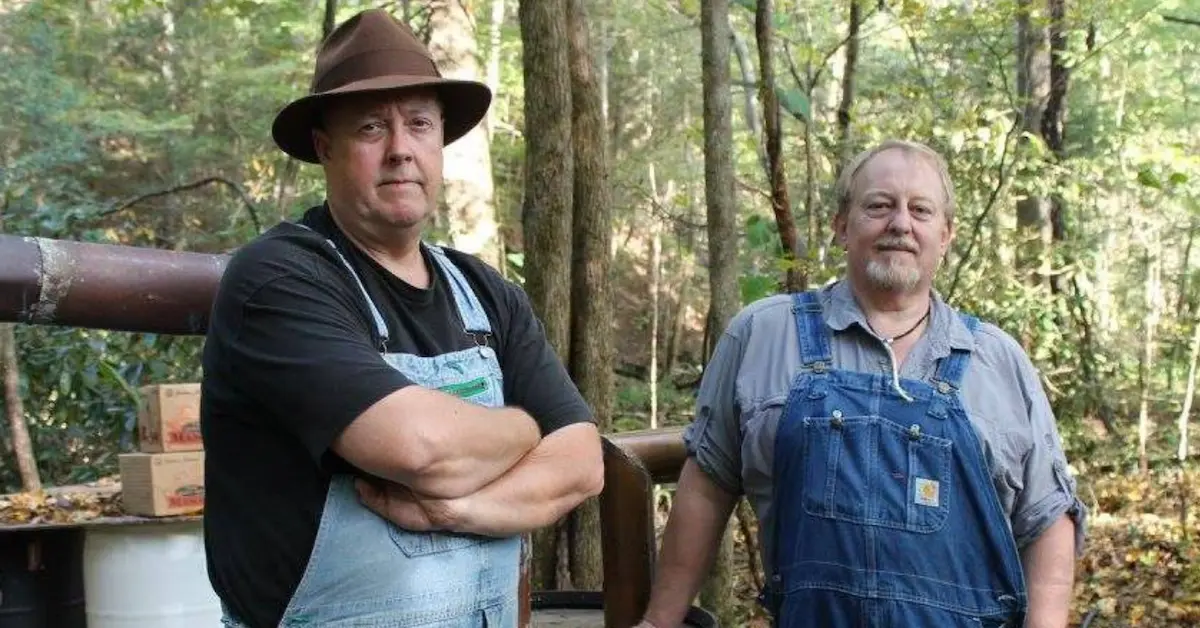
Despite mixed reviews – praised for cast chemistry but criticized for glorifying illegality – the show boasts strong ratings, with its premiere earning a 1.7 in key demographics. For stars like Digger Manes, it has meant economic opportunity and cultural legacy, even as personal challenges like health battles add layers of real-life drama.
Opinion: The Real Spirit of Moonshining – Beyond the Still
Moonshining isn’t just about evading the law; it’s a symbol of self-reliance and community in Appalachia. Digger Manes’ story reminds us that behind the thrill lies human vulnerability. His CLL diagnosis humanizes a craft often romanticized or vilified. As laws evolve – like the 2024 Texas ruling challenging home distilling bans – perhaps it’s time to rethink regulations. Moonshining could thrive legally, honoring traditions without the shadows.