Foraged Flavours and Fine Margins: Master Distiller Crowns Winners After Wilderness-Inspired Challenge

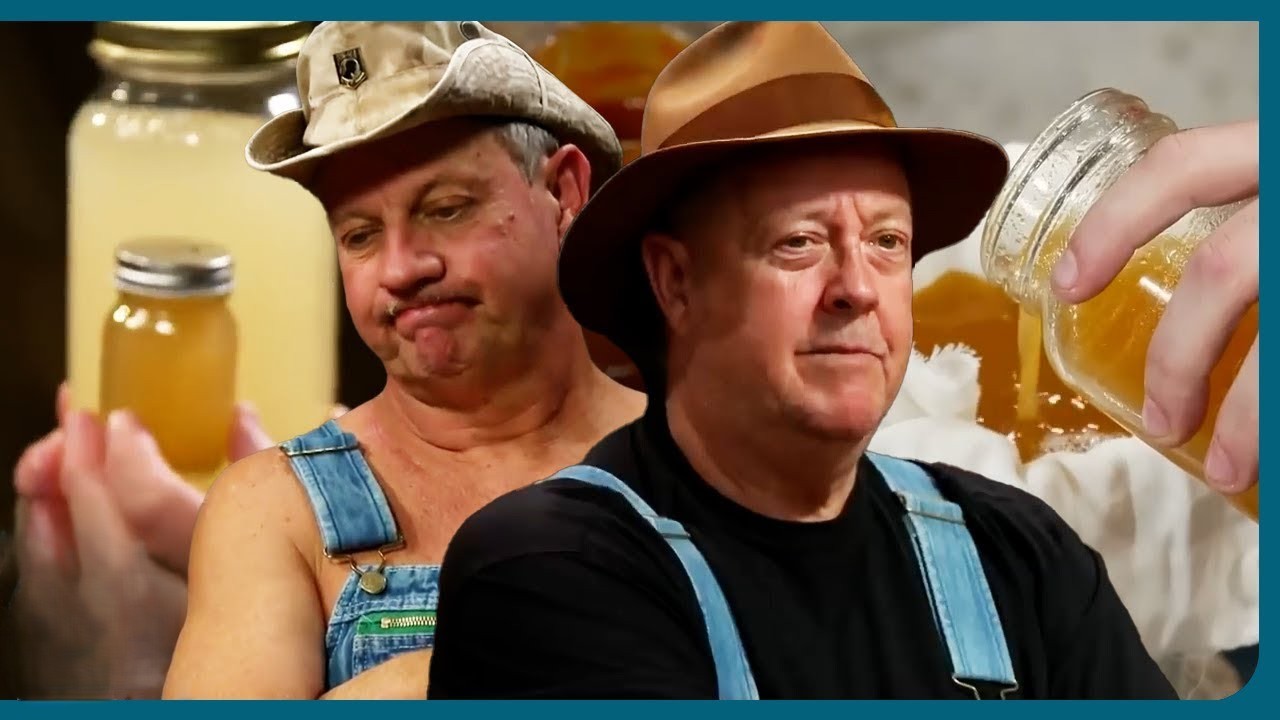
A competition built on tradition, improvisation and regional pride delivered two closely fought outcomes on Master Distiller, as contestants were asked to turn foraged ingredients and unfamiliar grains into spirits judged on taste, clarity and commercial appeal.
The episode opened with a premise that pushed participants away from standard recipes and towards what they could source from the wild. Judges framed the task as both a test of creativity and a statement about provenance: if it grows or can be gathered locally, it can shape a signature flavour. The prize, contestants were told, would be a limited production run with a major distillery — a prospect that raised the pressure well beyond the usual bragging rights.
Blueberries, sea salt and an unusual crawfish experiment
Three distillers began by building mashes based on ingredients gathered from home regions. One competitor, Dewey Teague of Pennsylvania, leaned on family heritage and simplicity, using blueberries and maple syrup in a restrained approach that aimed for clarity and dependable flavour.
Another entrant, Tony of Connecticut, presented a rum base infused with herbs and botanicals, drawing attention for a citrus-leaning profile and a careful proof level. A third contestant, Big Chuck, produced the day’s most unconventional entry: an Arkansas crawfish-based spirit that divided opinion but was praised for originality and the way it evoked the seasoning and aromatics associated with a seafood boil.
When the judges tasted the first-round jars, commentary centred on authenticity and technical execution. Dewey’s blueberry-and-maple spirit drew enthusiastic reactions for its aroma and drinkability, with judges noting its surprising strength while still reading as smooth. Tony’s jar was described as balanced and cocktail-friendly, with citrus notes and a hint of mint emerging as identifiable signposts. Big Chuck’s entry was acknowledged as unlike anything previously seen in the competition, with judges remarking that its flavour profile was vivid and unmistakable.
A second round decided by “marketability”
The contestants were then pushed into a faster, higher-risk flavour round: a 30-minute post-distillation infusion using additional foraged ingredients. Here, Tony attempted what the judges described as a step beyond typical foraging, turning salt water into homemade sea salt and combining it with a berry jam made from kousa dogwood fruit.
Dewey, meanwhile, enhanced blueberry character and added chocolate and mint — a choice that initially unsettled the panel, who warned that strong additions can overwhelm an otherwise clean spirit. In practice, the judges felt Dewey’s mint note remained light, with chocolate complementing maple sweetness and leaving the spirit positioned as a viable cocktail base.
Tony’s jar, however, became the standout. Judges praised a bright, tangerine-like citrus quality and argued that the subtle salt addition gave the drink structure and balance. When deliberations turned tight, the final decision was framed not as a question of quality but of which spirit could translate most readily to shelves. On that measure, Tony was named the next master distiller for the foraging challenge.
Ancient grains, pressure and a “finest jar” verdict
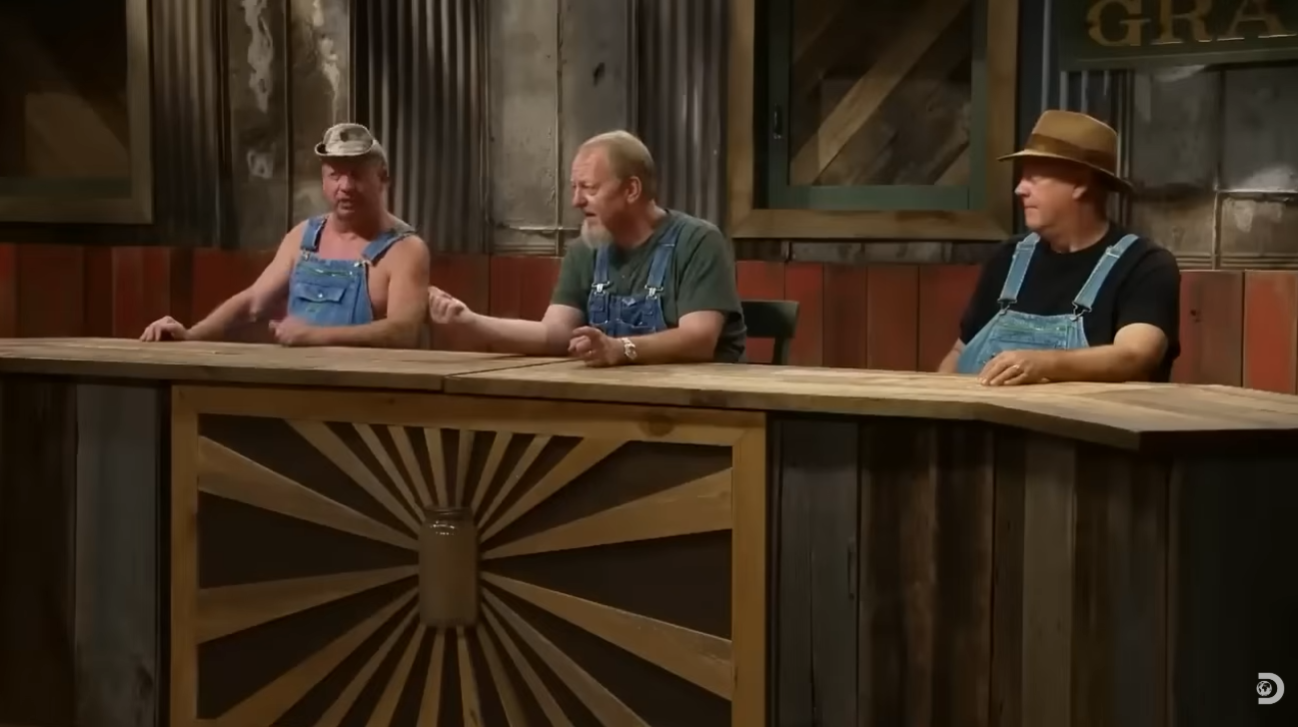
A later segment shifted focus from wild ingredients to unfamiliar “ancient grains”, asking competitors to create distinctive spirits while also being judged on proof gallons — a practical measure that influenced who would have first choice of still parts.
Brandon Buffington, a Tennessee-based distiller with a background in finance and music performance, presented a mash based on ancient grains and a honey-forward flavour concept. During the final stage, he experimented cautiously with orange peel before deciding it risked introducing off-notes. Judges later praised his discipline in avoiding unnecessary additions and said the finished spirit was among the best jars they had tasted in the show’s history. Brandon was awarded the title, with the reward including a limited run at a distillery in Gatlinburg, Tennessee.
Reverse engineering raises the difficulty again
Another challenge required contestants to “reverse engineer” a mystery spirit — tasting both the spirit and the mash and then reconstructing the recipe under time constraints without exact quantities. Judges emphasised that even perfect ingredient guesses can fall short if ratios and process decisions do not align.
Performance was assessed through flavour similarity, proof, and clarity. One contestant’s attempt was criticised for not fermenting fully, producing a lower-than-needed alcohol potential. Another entry came closer on numbers, placing the distiller in a stronger technical position heading into the final selection.
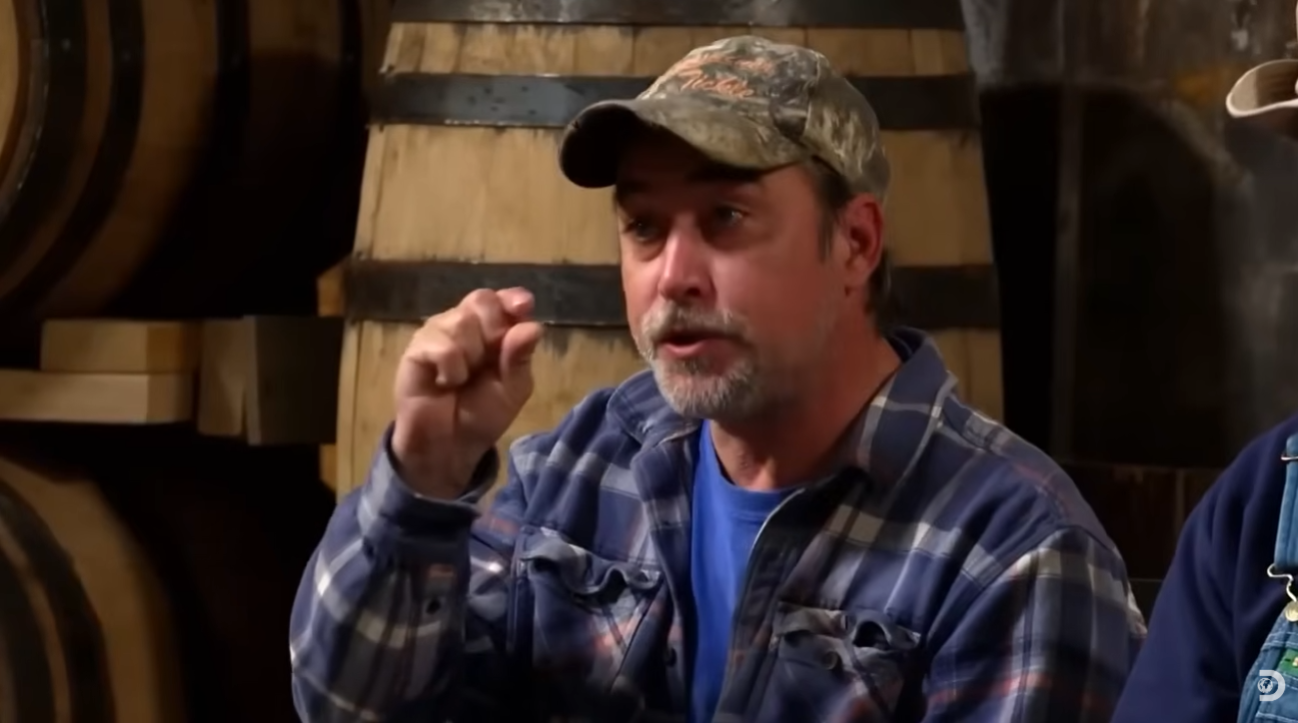
In the concluding judgement, the panel disclosed the original recipe: a high-sugar base supported by peaches and peach nectar, fermented with standard distillers’ yeast. The reveal underlined the central lesson of the episode — that sensory accuracy needs to be matched by technical precision.
Clarity versus character, and a narrow final call
In the final assessment, the judges weighed two strong jars that were described as very close in flavour. One entry won points for similarity and complexity; another for clarity and shelf appeal. The panel said the decision came down to “splitting hairs”, with a single shortfall tipping the result.
Crash was ultimately named master distiller, with judges highlighting how much the spirit improved between runs and how the final jar’s presentation strengthened its commercial prospects.
Across the episode’s multiple competitions, a consistent theme emerged: the show’s most celebrated moments were not just about bold ideas, but about restraint — knowing when to stop, what to leave out, and how to deliver a spirit that can satisfy both a tasting table and a retail shelf.