From Lost Orchards to Experimental Stills: Moonshiners Push Tradition and Innovation to the Limit

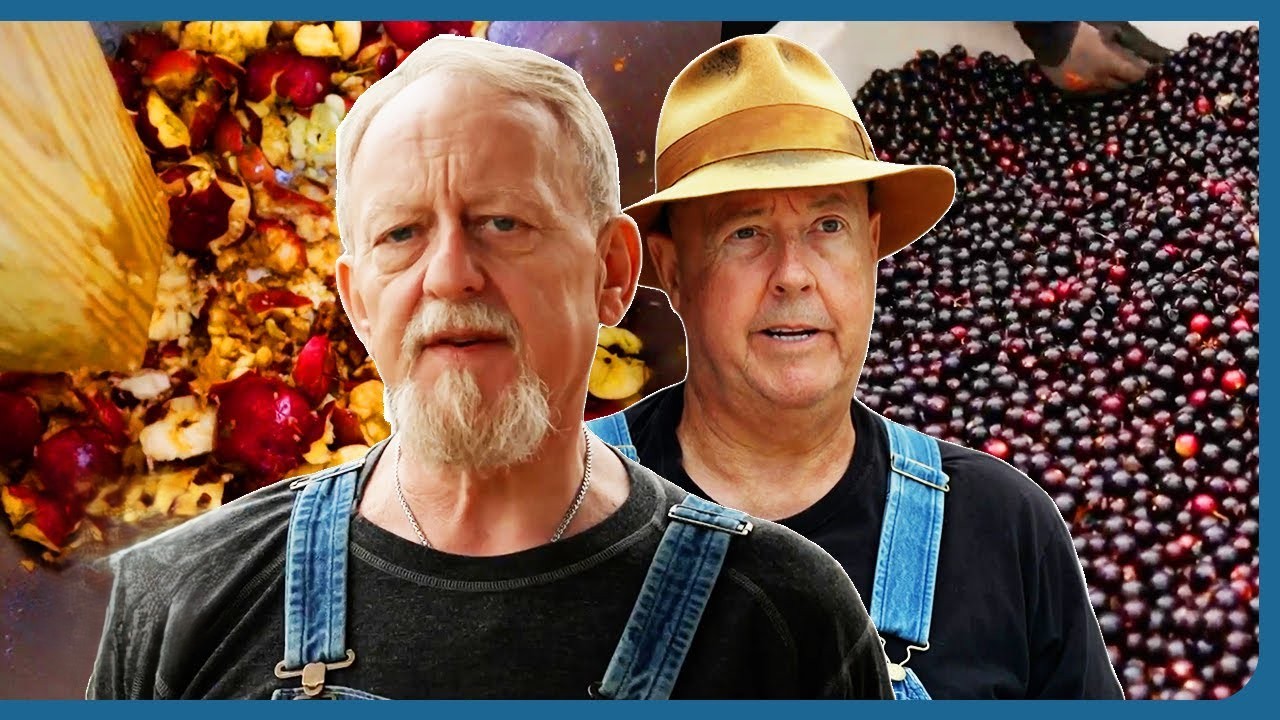
Deep in the hills of eastern Tennessee, tradition and experimentation collide as the cast of Moonshiners attempt to revive historic recipes while chasing new ideas that could reshape their craft.
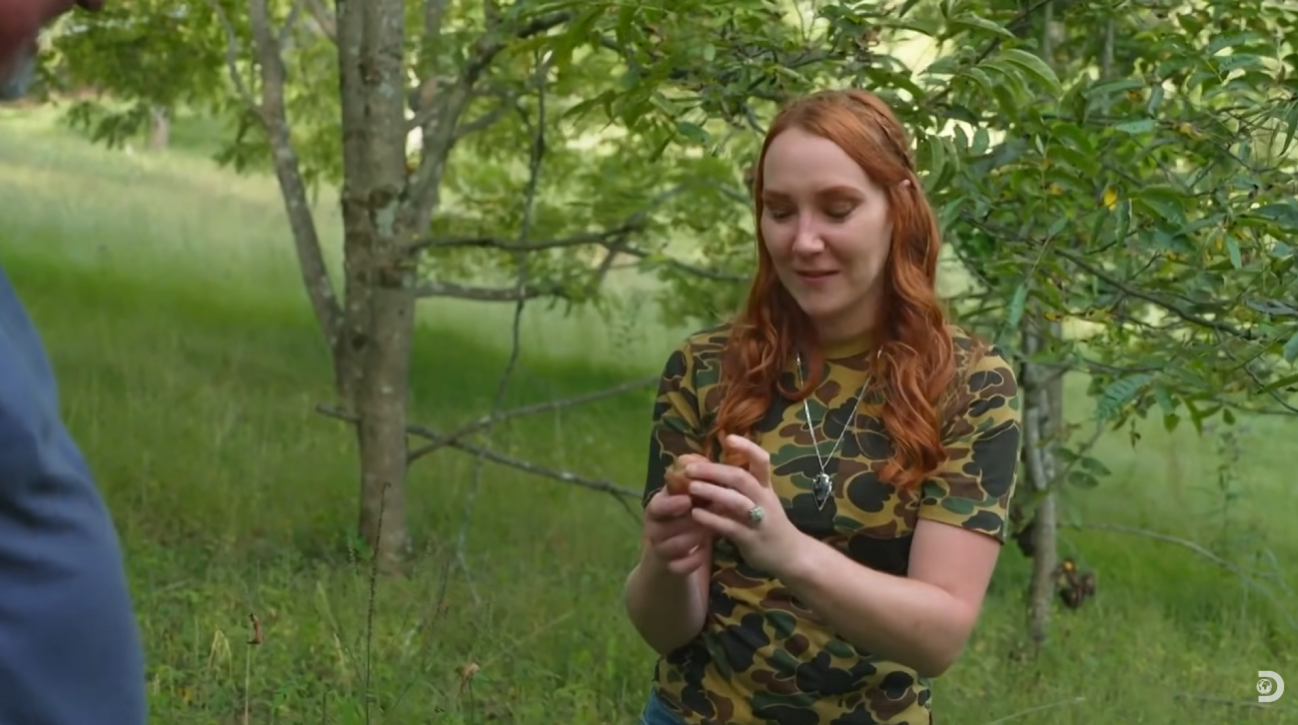
At the request of long-time distillers Mark Ramsey and Digger Manes, Amanda and Kelly set out on a rare mission: to resurrect a 125-year-old apple brandy once made by an elusive East Tennessee moonshiner known as Big Haley. The challenge was not simply recreating the spirit, but finding the specific apples Haley was believed to have used — small, blemished fruit remembered more for flavour than appearance.
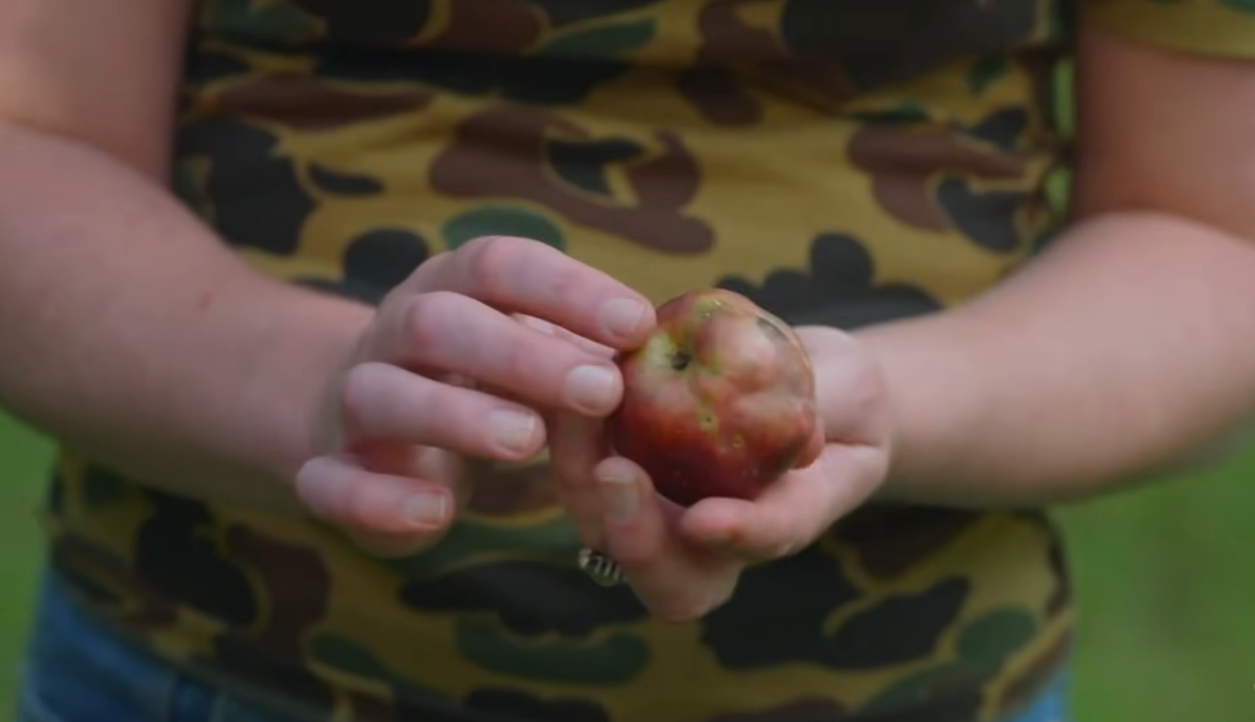
After searching remote ridges near the site of Haley’s former cabin, the pair uncovered an abandoned orchard hidden by years of overgrowth. The apples matched historical descriptions almost exactly — misshapen, spotted, and unexpectedly sweet. Taste tests confirmed what legend had long suggested: despite their appearance, the apples carried intense sugar and depth, ideal for brandy.
Determined to stay true to history, Amanda and Kelly abandoned commercial yeast, opting instead for wild fermentation using only apples, water and naturally occurring yeast — a method that dramatically increases risk but can deliver complex flavour. The slow, careful run paid off. When Mark and Digger arrived to sample the spirit, they praised its pronounced apple character, smooth finish and rarity. With no remaining trees known to exist, the brandy was declared a one-time release — both valuable and irreplaceable.
Buoyed by that success, the team pivoted to a second project involving muscadine grapes harvested from a local vineyard. The grapes were processed into juice for brandy, while the leftover skins and pulp were earmarked for a secondary spirit, ensuring nothing went to waste. The approach reflected a longstanding Appalachian principle: maximise flavour and value from every ingredient.
But innovation carries risk. The group’s boldest experiment came when Amanda proposed using surplus baked goods — including cinnamon rolls, croissants and cookies — salvaged from a bakery after a power outage. The logic was sound: baked products already contain converted sugars and caramelised flavours that cannot be replicated in a traditional mash.
Initial fermentation results were mixed. While cookie-based mashes showed strong yeast activity, butter-heavy pastries caused serious problems. Thick layers of fat stalled fermentation entirely, threatening to wipe out two-thirds of the batch and thousands of dollars in potential product. Faced with a stalled mash and rising pressure, Kelly turned back to Mark and Digger for guidance.
The setback underscored a central tension of modern moonshining — balancing creativity with hard-earned experience. As Mark noted, pushing boundaries can yield breakthroughs, but even free ingredients can become costly when fermentation fails.
Still, the ambition remains intact. From edible cocktail experiments to ultra-high-proof corn liquor and all-grain “legacy” whiskey, the team continues to explore how old-world methods can coexist with modern innovation.
In the Appalachian backwoods, moonshining has always been about more than alcohol. It is a craft shaped by history, loyalty and constant adaptation — where success depends as much on patience and judgement as it does on bold ideas.