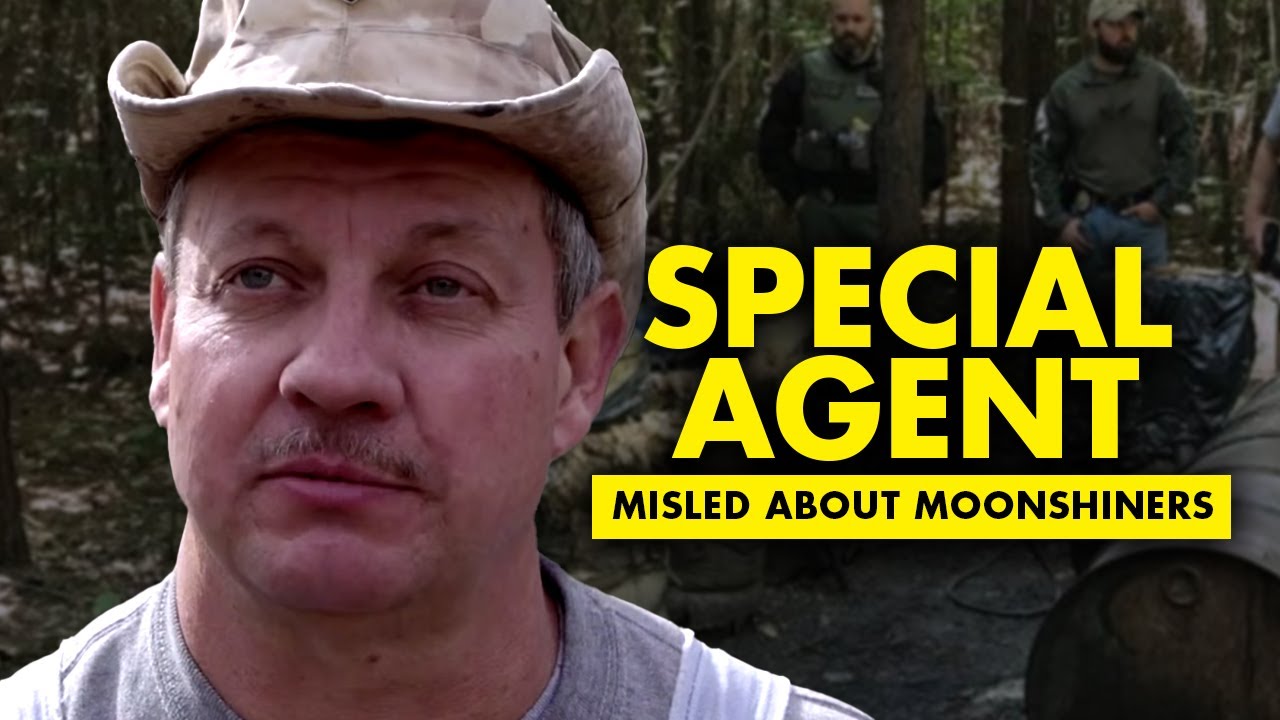
In the quiet corners of Appalachia—Virginia, Kentucky, Tennessee, the Carolinas—a battle brews not just in the backwoods stills, but on millions of television screens worldwide. Since its debut in 2011, Moonshiners, a hit reality series produced by Magilla Entertainment for the Discovery Channel, has captivated audiences with its gritty portrayal of modern-day outlaws distilling liquor deep in the forest. But how much of the show is actually real?
Turns out, not much.
Despite the show’s claims of filming active, illegal moonshine operations, Moonshiners is, in truth, a dramatized series. In 2011, as public concern grew over the legality of broadcasting crimes, Fox News contacted the Virginia Department of Alcoholic Beverage Control (ABC), the agency responsible for enforcing liquor laws in the state.
Their response was clear: Moonshiners is staged.
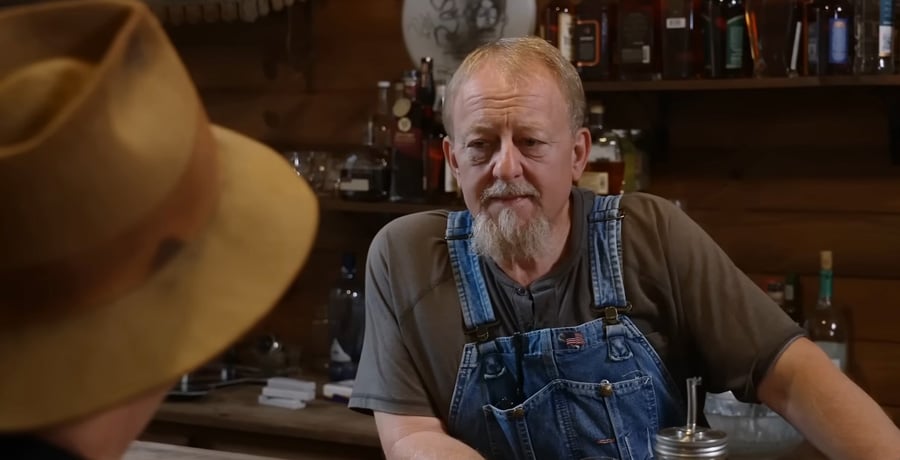
“If illegal activity was actually taking place, the Virginia ABC Bureau of Law Enforcement would have taken action,” said spokesperson Kathleen Shaw. She confirmed the department had even requested a disclaimer be added to clarify the dramatized nature of the show—Magilla Entertainment ignored the request.
At the heart of the controversy is Special Agent Jesse Tate of the Virginia ABC. Featured in Season 1, Tate was portrayed as an undercover agent tracking the show’s “criminals.” However, the ABC has since clarified that Tate was misled. He believed he was participating in a documentary about the history of moonshining—not a reality series faking live criminal activity. After realizing the misrepresentation, ABC pulled him from the show and severed ties with the production.
Despite these revelations, Moonshiners continues to thrive, spawning several spin-offs, including Tickle (2013), Whiskey Business (2019), and Master Distiller (2020).
Critics argue Magilla Entertainment has built a reputation on manufactured reality. In other shows like Lakefront Bargain Hunt and Beachfront Bargain Hunt, participants were found to have purchased their featured homes years before filming, raising serious questions about the authenticity of the narratives. Sets are staged, décor is swapped in and out, and “prizes” are already owned.
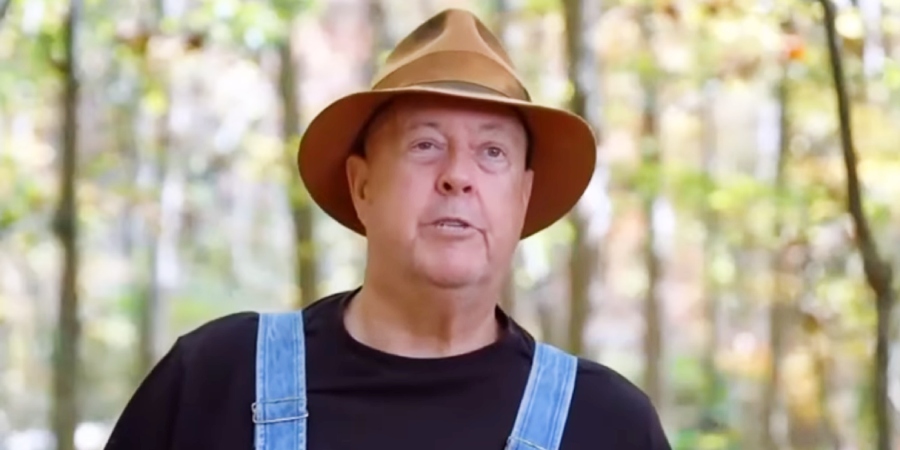
The legal ramifications, if the crimes were real, would be staggering. Both cast and crew would face prosecution—not just for illegal distillation but for profiting from and promoting criminal activity. Yet, no such charges have ever been filed.
Why? Because it’s all for show.
While the moonshine in Moonshiners might be real, the danger, the chases, and the criminal stakes are carefully crafted illusions. The real story lies behind the camera, in how television can blur the line between reality and entertainment—convincing millions they’re watching crime unfold when they’re actually watching a performance.
So next time you hear the clank of copper stills and the crackle of a campfire deep in the woods, ask yourself: are you watching real outlaws—or just actors in a very convincing role?
