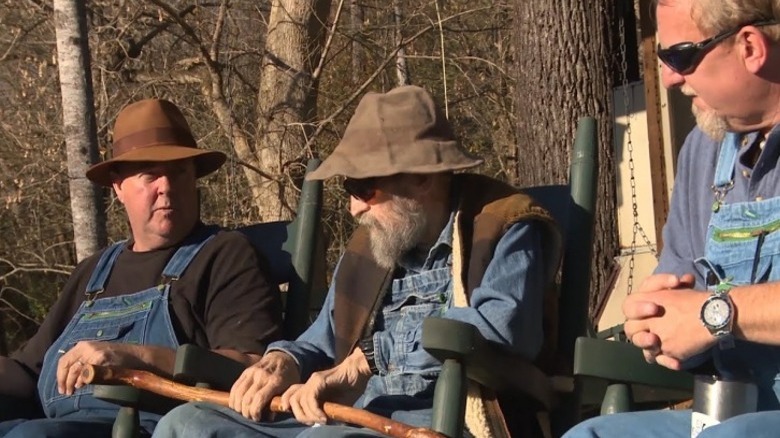
BACKWOODS DRAMA OR CRAFTED DECEPTION?
Since its debut in 2011, Discovery Channel’s Moonshiners has captivated audiences with its gritty portrayal of Appalachian outlaws risking it all to craft illegal spirits deep in the woods of Virginia, Kentucky, Tennessee, and the Carolinas. Each episode is packed with rustic charm, danger, and the thrill of dodging the law—but is it all just smoke and mirrors?
As it turns out, yes.
A SCRIPTED CRIME THAT NEVER WAS
Despite the show’s repeated claims of documenting real moonshine operations, Virginia officials have confirmed what skeptics long suspected: Moonshiners is a dramatization. The Virginia Department of Alcoholic Beverage Control (ABC), the very agency supposedly chasing these rural renegades, stated as early as 2011 that no actual criminal activity was taking place on the show.
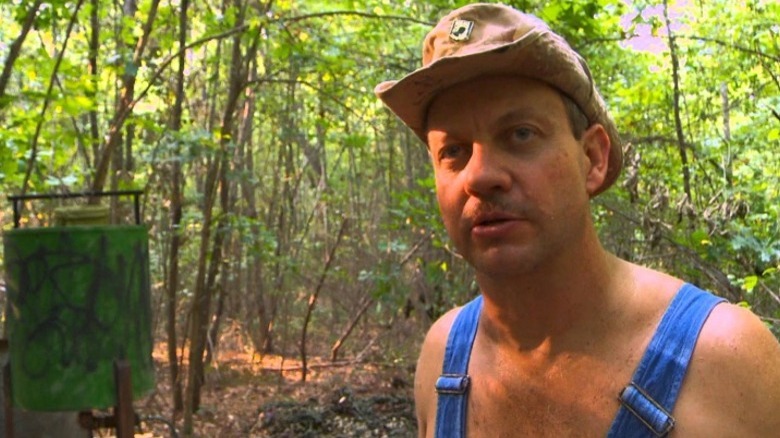
“If illegal activity was actually taking place,” said ABC spokesperson Kathleen Shaw, “Virginia ABC’s Bureau of Law Enforcement would have taken action.” According to Shaw, Moonshiners is “completely dramatized,” and the agency even asked producers at Magilla Entertainment to include a disclaimer—an appeal the production house reportedly ignored.
THE GREAT DECEPTION
In the show’s early episodes, one of ABC’s own agents, Jesse Tate, was shown appearing to investigate the moonshiners. But ABC later revealed they had only agreed to a historical documentary, not a dramatic series. Upon discovering the manipulation, ABC pulled Tate from the project entirely.
Nonetheless, Moonshiners continued to air with no clarification for viewers, banking on the tension between “lawmen” and “outlaws” to drive its popularity. The illusion has worked so well that viewers still believe they’re watching real fugitives on the run—despite overwhelming evidence to the contrary.
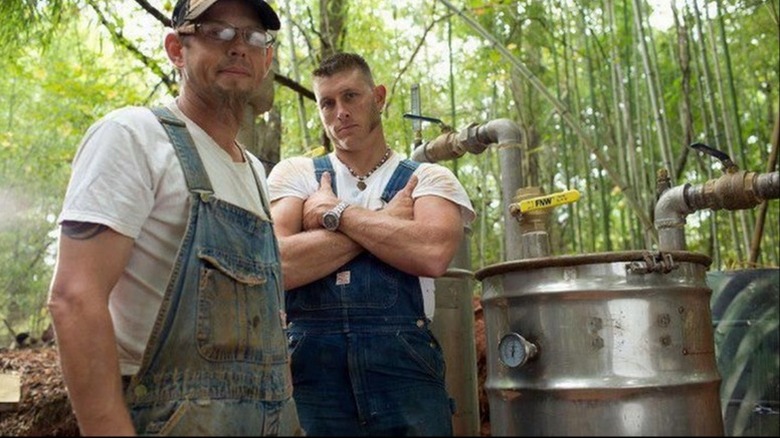
THE PRODUCTION COMPANY BEHIND THE CURTAIN
Magilla Entertainment, the company behind Moonshiners, has developed a reputation for producing “reality” content that plays fast and loose with the truth. Critics have called out their history of staged programming across multiple shows. From Lakefront Bargain Hunt to King of Thrones, their productions have used purchased homes, fake winners, and staged interiors, often under the guise of real competition or unscripted television.
In one notable case, a man named Robin Corbill appeared to “choose” a home as part of a televised bargain hunt—only for it to be revealed that he had purchased the property two years prior. Similarly, another fan named Laura revealed that she and her husband were offered a chance to “win” a house they already owned.
NO LAWS BROKEN—NO LAWS ENFORCED
Legally, the show’s continued existence hinges on one important fact: no crimes are actually being committed in front of the camera. Most of the show’s “moonshiners” are in fact licensed distillers, and any so-called illegal operations are filmed well after the fact, or purely staged for entertainment. This delay between filming and broadcast removes any possibility of real-time law enforcement intervention.
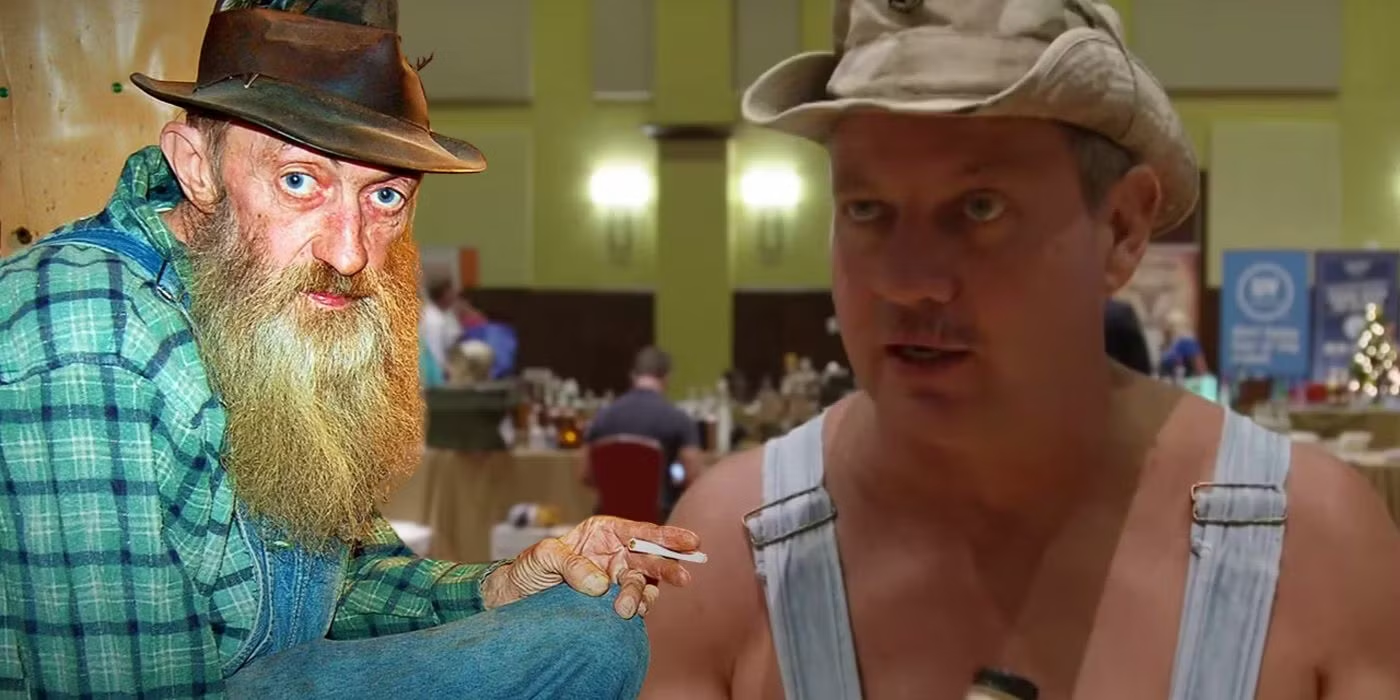
And because no actual illegal liquor reaches consumers via the show, Magilla avoids liability for health or safety issues associated with bootleg alcohol. If any of it were real, the studio and its staff could face criminal charges for facilitating and profiting from felonies—a risk no television network would dare take.
THE BOTTOM LINE: ENTERTAINMENT DISGUISED AS DANGER
Despite the exposés, Moonshiners remains a popular fixture on reality television, complete with spin-offs like Tickle, Moonshiners: Whiskey Business, and Master Distiller. For fans, the combination of Appalachian folklore, DIY alcohol production, and outlaw bravado is simply too intoxicating to resist—even if it’s all make-believe.
In the end, Moonshiners isn’t really about crime—it’s about crafting an atmosphere of rebellion, nostalgia, and rural identity for the masses. The bottles may be filled with stories instead of spirits, but for millions of viewers, that’s more than enough.
