Ancient Roman Coin Unearthed on Oak Island: Latest Discovery Deepens Templar Mystery

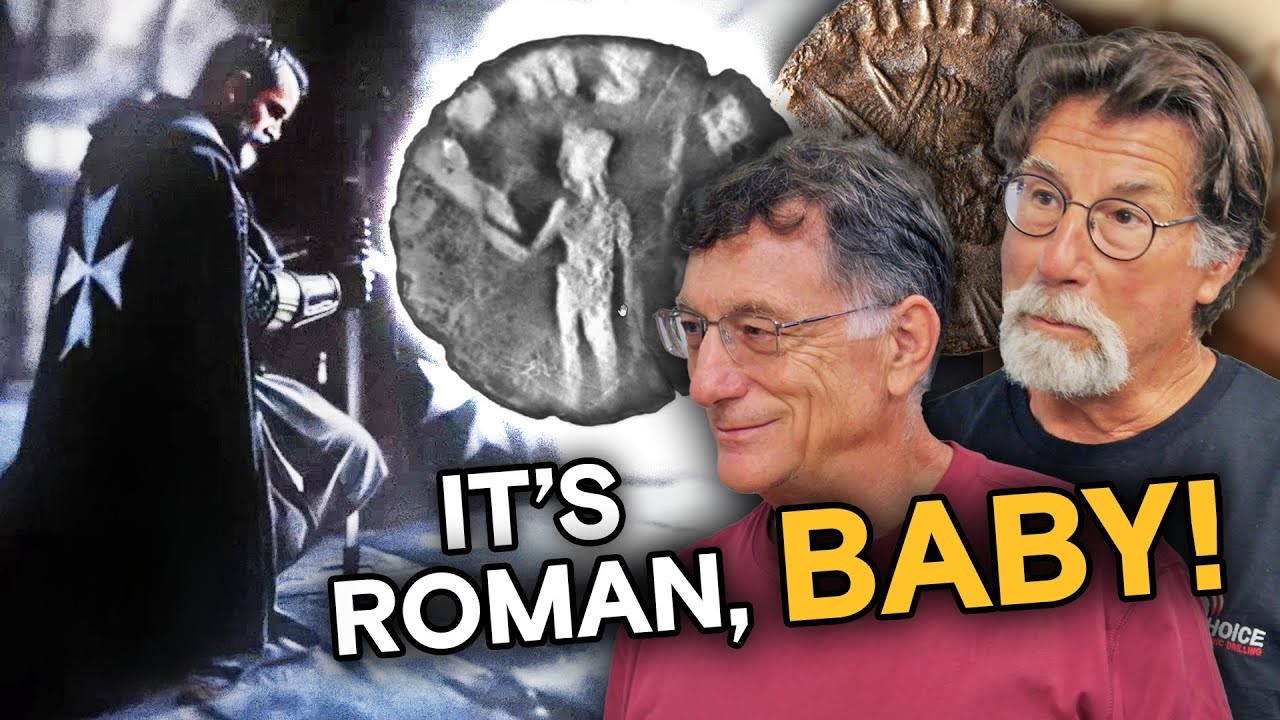
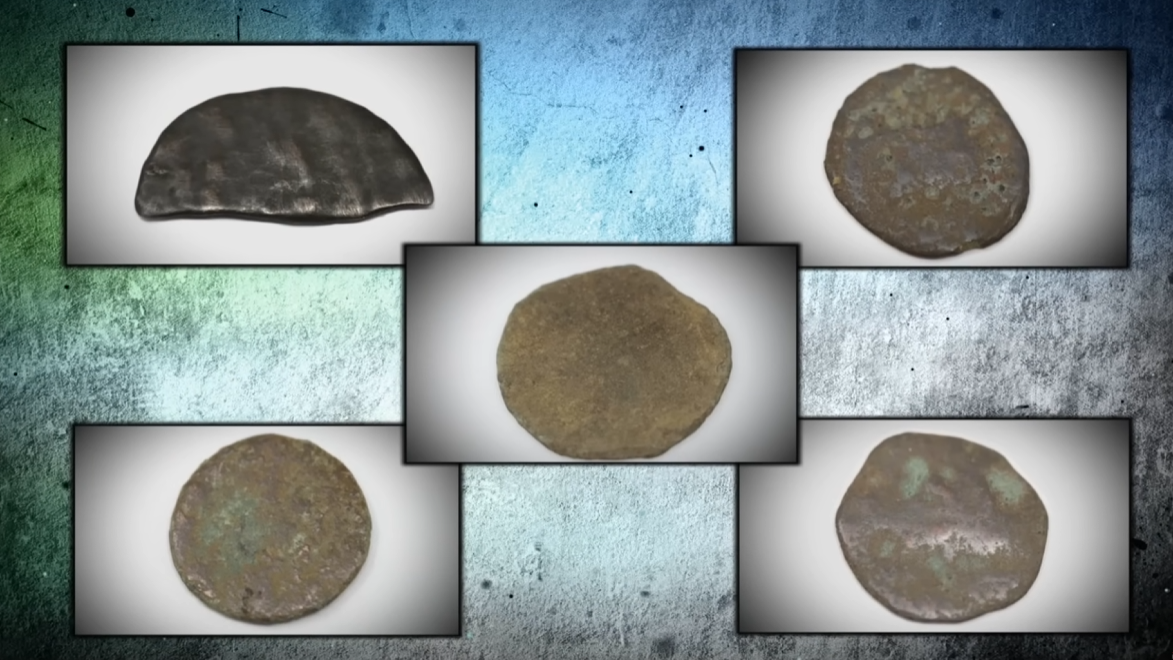
In a thrilling development that’s captivating treasure hunters and historians alike, the team on The Curse of Oak Island has uncovered yet another ancient Roman coin on Lot 5, marking the sixth such find and fueling speculation about the island’s enigmatic past. The discovery, detailed in the latest episode, suggests possible links to the Knights Templar and raises fresh questions about who—or what—brought these artifacts to this remote Canadian isle centuries ago.
The excitement began when Marty Lagina and metal detection expert Katya Drayton stumbled upon the coin just a week prior, in the same area where five previous Roman coins—potentially dating back 2,000 years—had been found. Under the scrutiny of a CT scan and expert analysis by numismatist Emma Nolan, the coin was identified as originating from the reign of Emperor Claudius II, who ruled from 268 to 270 AD. “You have the workshops, the composition, and then you have Claudius II,” Nolan explained, noting distinctive features like a sharp nose and chin on the bust, along with markings indicating it was minted in the ninth workshop. “That puts it more towards 250-270 AD. Without a doubt, this is a Roman coin.”
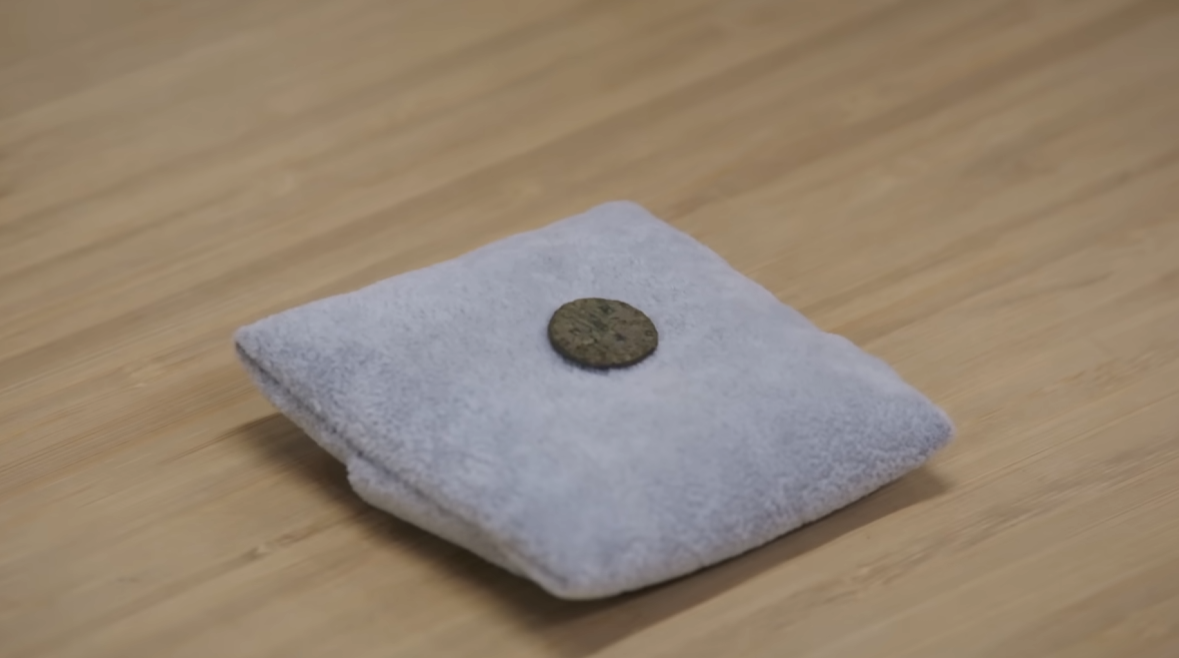
Rick Lagina, ever the optimist, sees the find as potential evidence of ancient activity tied to the island’s legendary treasure. “I have always believed that what happened here on Oak Island happened long ago,” he said. “It’s not out of the bounds to suggest that this might be part of the treasure.” The team has no records of habitation from that era, leaving the coin’s presence a puzzle. How did artifacts from the Roman Empire end up buried on a North American island, far from the Mediterranean?
To delve deeper, the Lagina brothers consulted coin expert Sandy Campbell in the research center. Campbell confirmed the coin’s Roman origins and its remarkable condition despite centuries underground. “This is clearly Roman Empire period,” he stated. Intriguingly, he noted that Roman coins circulated as currency well into the 1500s across Europe, potentially carried by explorers or secret societies. “You know, 1300s, 1400s, this stuff was in use all through Europe,” Campbell added. “If you walked into any merchant anywhere in the world, that had monetary value.”
The discussion quickly turned to the Knights Templar, a medieval order often theorized to have hidden vast treasures on Oak Island after their dissolution in the 14th century. Researcher Doug Crowell pointed out that similar Roman coins have been found at Templar-associated sites in Europe, including Iceland. “One of the interesting things about Roman coins is they’ve often been found in places we’ve investigated the activities of the Templars,” he said. This connection aligns with the team’s “multigenerational theory,” suggesting multiple groups—from ancient visitors to Templar knights and later settlers—used the island for clandestine purposes over centuries.
Adding to the intrigue, archaeologist Fiona Steele and her team unearthed fragments of an ornate earthenware bowl nearby on Lot 5. Estimated to date from the 1600s to 1800s, the pottery—possibly used for food preparation—hints at utilitarian activities with no known settler records. “Those will go together. Look how big that bowl would’ve been,” Steele marveled, noting its shiny glaze and design that could help pinpoint its age. “The things that we’ve been finding on Lot 5 have been giving us more of an indication of multi-occupational use of the lot itself. That’s pretty blatant and evident.”

Previous discoveries on the lot, including buttons and Venetian trade beads linked to the Knights of Malta (successors to the Templars), further support the idea of layered historical occupations. Marty Lagina emphasized the site’s complexity: “Lot 5 is an example of the extraordinary complexity of this island and what happened here. The multigenerational theory fits with a lot of the dates we found.”
As the team redoubles efforts to excavate Lot 5 and the nearby Money Pit—the infamous shaft believed to hold buried riches—questions abound. Were these Roman coins pocket change for Templar knights safeguarding holy relics? Or remnants of even earlier transatlantic voyages? Campbell admitted he’s stumped: “I’m puzzled how so many Roman coins could land on this island. Who brought them is a different story.”
For fans of the long-running series, this episode underscores Oak Island’s enduring allure, blending cutting-edge technology like CT scans with boots-on-the-ground archaeology. As Rick Lagina urged, the hunt continues: “We need to rededicate ourselves to continue to look intensively at Lot 5 and the adjacent lots and the Money Pit, for irrefutable proof.” With each artifact, the curse—and the mystery—grows deeper. Stay tuned as the Lagina team digs for answers that could rewrite history.