Buried Riches and Hidden Agendas: 3 Leading Theories in The Curse of Oak Island

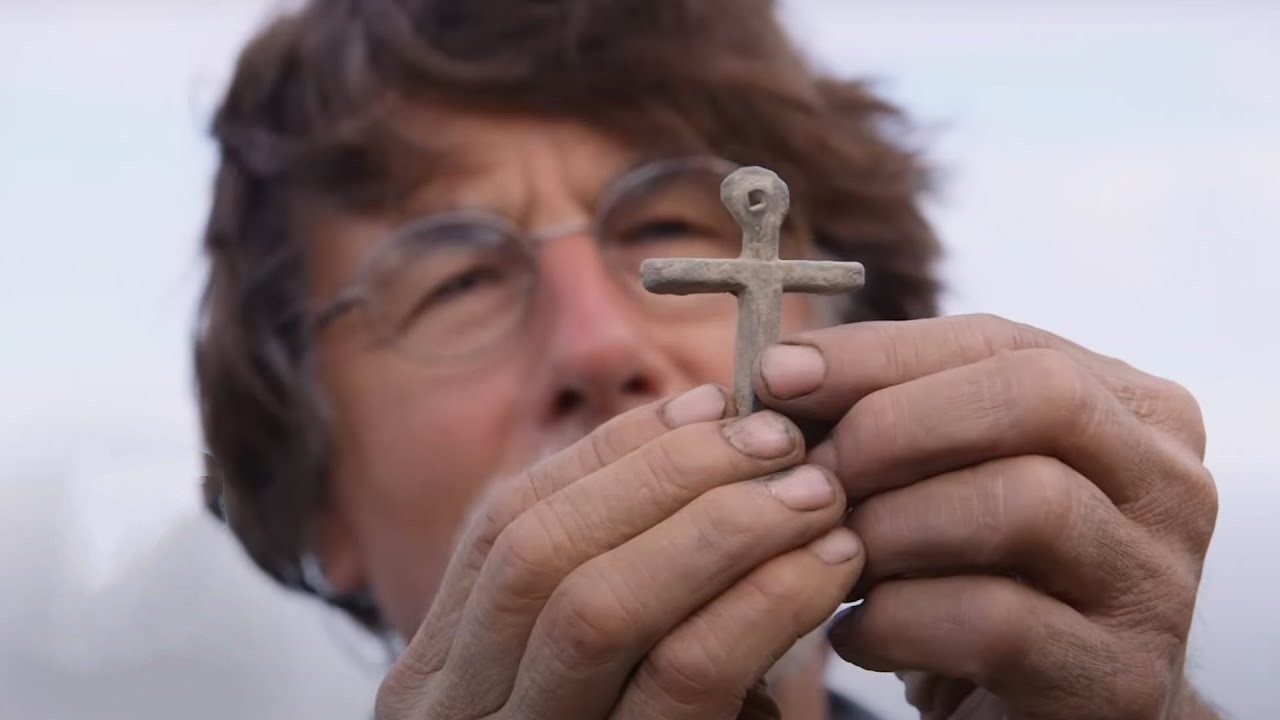
As the new season of The Curse of Oak Island approaches, fresh discoveries and historical leads are reigniting debate over the origins of the world’s most enduring treasure mystery. For over two centuries, legends have swirled around Oak Island’s infamous “Money Pit” – and now, mounting evidence may point to a trio of powerful historical forces: the Portuguese Order of Christ, the Scottish Knights Baronet, and 14th-century Templar Knight Prince Henry Sinclair.
Clues Spanning Centuries
In recent years, the Oak Island team, led by brothers Rick and Marty Lagina, has uncovered artifacts and features that hint at pre-Columbian contact with Nova Scotia. Among the most striking finds: a 500-year-old stone road in the island’s swamp, possibly Portuguese in origin, and a carved wooden tool dated to 1632 – the same year a Scottish settlement was abandoned under French attack.
Metal objects, cobblestones, cannonballs, and even carved symbols match known Templar and Masonic designs found in Europe. Experts believe these features could indicate large-scale engineering on the island centuries before its “discovery” in 1795.
The Sinclair Theory
One of the oldest and most romantic theories centers on Prince Henry Sinclair, a Scottish noble with deep Templar connections. According to both historical speculation and Indigenous Mi’kmaq oral tradition, Sinclair sailed to North America in 1398, forging alliances with local peoples. Symbols in Scotland’s Rosslyn Chapel – including carvings of corn and trillium, plants native to North America – suggest transatlantic contact nearly a century before Columbus.

Researchers propose Sinclair may have hidden priceless Templar relics on Oak Island, either creating the Money Pit himself or depositing treasures in an existing vault.
The Knights Baronet
In the early 1600s, Sir William Alexander founded the Scottish Order of the Knights Baronet with the goal of colonizing Nova Scotia. Many members were Freemasons and Templar descendants. Historian James McQuistan believes the order’s settlers may have learned of a Templar vault on Oak Island and buried their own valuables there after being driven out by the French in 1632.
His theory gained weight when a wooden mason’s T-square, carbon dated to 1632–1668, was unearthed on the island – a near-perfect match to the year the Scots were forced to flee.
The Portuguese Connection
Perhaps the most compelling evidence lies in a cobblestone road found in the swamp in 2020. Experts note its style matches Portuguese maritime construction from the 1500s. The road may have served as a ship’s wharf for unloading heavy cargo – possibly treasure.
Artifacts including stone cannonballs, an ancient cannon fragment, and a stone path have fueled speculation that Portuguese explorers – possibly linked to the reformed Templar Order of Christ – played a role in shaping Oak Island’s hidden structures.

In 2021, the Laginas visited Portugal, finding striking parallels between Oak Island and centuries-old Portuguese sites. A stone carving in a Templar church matched symbols from the Money Pit’s legendary 90-foot stone. An elaborate water channel resembled the island’s suspected flood tunnels, and a stone road mirrored the swamp’s. Most uncanny was a 90-foot-deep Masonic well in Sintra – complete with a surface oak tree above, echoing the earliest accounts of the Money Pit.
Connecting the Dots
While definitive proof remains elusive, the convergence of clues across Scotland, Portugal, and Nova Scotia paints a picture of global intrigue, religious orders, and hidden wealth. Whether the Money Pit was the work of Templars, 17th-century Freemasons, or Portuguese explorers, the possibility that multiple groups added to or protected the cache over centuries remains very much alive.
For Rick and Marty Lagina, each new lead sharpens the hunt’s focus. “It’s about seeking out and finding information,” Rick said. “We’ve found an avenue of continued research – and we’re starting to connect the dots.”
With the season premiere only weeks away, Oak Island’s next chapter promises high-stakes excavation, historical detective work, and, perhaps, the revelation of one of history’s most guarded secrets.