Clues That Change Everything: Oak Island Yields Ancient Coins, Pottery, and Ship Clues in Lot 5 Breakthrough

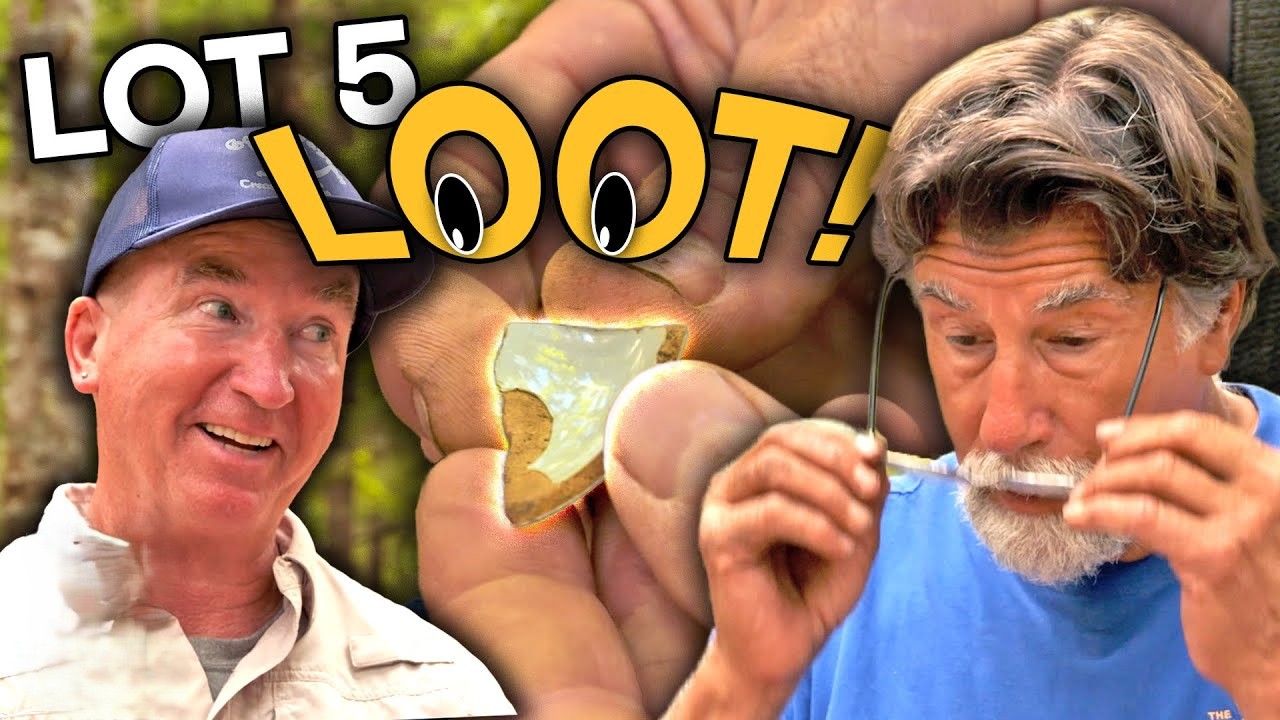
In a thrilling escalation of the centuries-old Oak Island mystery, the team led by Rick Lagina has finally gained access to the long-elusive Lot 5, uncovering a trove of artifacts that could rewrite the island’s enigmatic history. Episode highlights from The Curse of Oak Island reveal metal detection expert Gary Drayton and archaeologist Laird Nunn joining forces with Lagina to probe the western-side property, once meticulously explored by the late Robert Young. With high-tech tools in hand, the team is piecing together clues that point to pre-18th-century activity, potentially linked to the legendary Money Pit.
“This is like getting the keys to the family car at 16,” Lagina enthused, emphasizing the excitement of continuing Young’s legacy. The lot, shrouded in secrecy and previously off-limits, now buzzes with discoveries that blend ancient metallurgy, colonial ceramics, and maritime hints – all predating the 1795 Money Pit find by decades or centuries.
Hammered Coin Fragment: A Window to the 1500s?
The day’s first major hit came during metal detecting sweeps deeper into Lot 5. Drayton pinpointed a signal amid rocky terrain, unearthing a thin, patina-covered fragment that resembled a halved hammered coin. “My hands are shaking, mate,” Drayton admitted as he examined the piece, noting its non-milled edges and potential age.
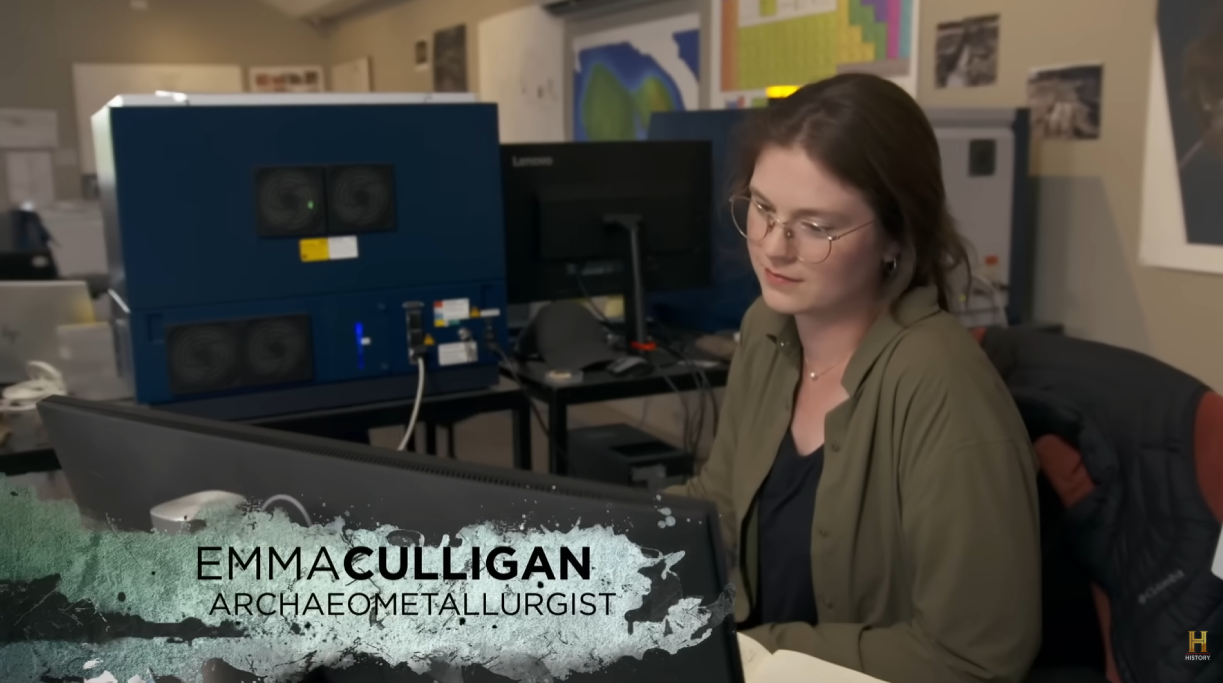
Back at the interpretive center, archaeologist Laird Nunn and archaeometallurgist Emma Culligan ran the artifact through an X-ray fluorescence (XRF) spectrometer. The results: Primarily copper with tin, iron, and a telltale bump of arsenic, classifying it as arsenical bronze. “This is old – 1500s, trickling out by the 1700s,” Culligan confirmed. The composition rules out common English or Spanish origins, echoing a similar Lot 7 find from two months prior – a bronze token also dated to at least 500 years old.
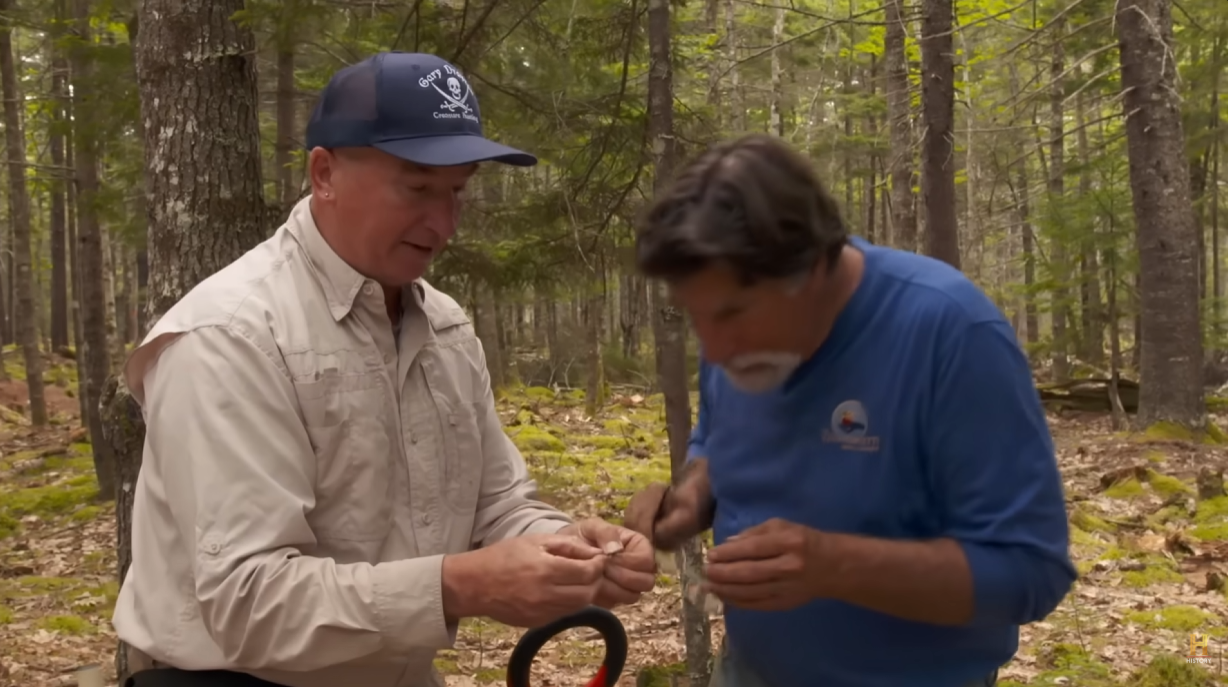
Experts speculate this could tie into early European activity on the island, far predating known colonial settlements. “It’s starting to weave a story,” Lagina reflected. “Fingerprints from the 1500s – that’s an aha moment.”
Deep Tools and Exotic Pottery Unearth Colonial Secrets
Undeterred, the team flagged 42 metal targets and dug into more. A “screamer” signal yielded a thick, heavy blade-like tool, buried unusually deep. “This has all the characteristics of being really old,” Drayton observed, bagging it for further XRF analysis amid questions of why such an item would be so far underground.
The real surprise emerged nearby: Shards of glazed pottery, initially mistaken for rocks. “We’ve never seen this before,” Lagina marveled as pieces piled up. Archaeologists Nunn and Helen Sheldon identified the first as press-molded ceramic, dating to the 1740s with roots in 1720s English designs – common among British military but indicative of some wealth due to its decoration.
Deeper excavation revealed tin-glazed Delft ware, another English type from the mid-1700s. “That’s a first for the island,” Sheldon noted. Both ceramic styles predate the Money Pit by over 50 years, suggesting an 18th-century British presence – possibly military – on Lot 5. “It changes the game completely,” Lagina said. “We’re transported back to the middle of the 1700s.”
Copper Nail Hints at Shipbuilding Amid Rock-Filled Mystery
As digging expanded, a hand-forged copper nail surfaced, its green patina and rose head screaming antiquity. “This suggests boat building – it resists corrosion in salt water,” Nunn explained. The find aligns with prior swamp discoveries, including wood fragments and spikes dating from the 18th century back to the 3rd century AD.
The artifacts clustered around a rock-filled feature, described as a “large excavation” with no modern intrusions. Colleague Miriam Amir joined to assist, confirming the site’s potential. “We’re into something substantial and important,” Nunn stated. The team halted personal digs to allow professional archaeology, hinting at a broader structure or operation.
Lot 5: Key to Unlocking Oak Island’s Puzzle?
These finds on Lot 5 – purchased just weeks ago – build on earlier discoveries like 16th-century tools and musket balls. With esoteric metals like arsenical bronze appearing across nearby lots, the team senses a pattern. “Bot 5 and Lot 7 are turning up really esoteric metals – we need to find out why,” Drayton urged.
Lagina remains optimistic: “There’s more yet to be revealed.” As the investigation deepens, Oak Island’s “curse” may finally yield to science, potentially exposing who buried what – and why – on this fog-shrouded enigma. Treasure hunters worldwide are watching: Could Lot 5 hold the ultimate clue? Stay tuned; the dig is far from over.