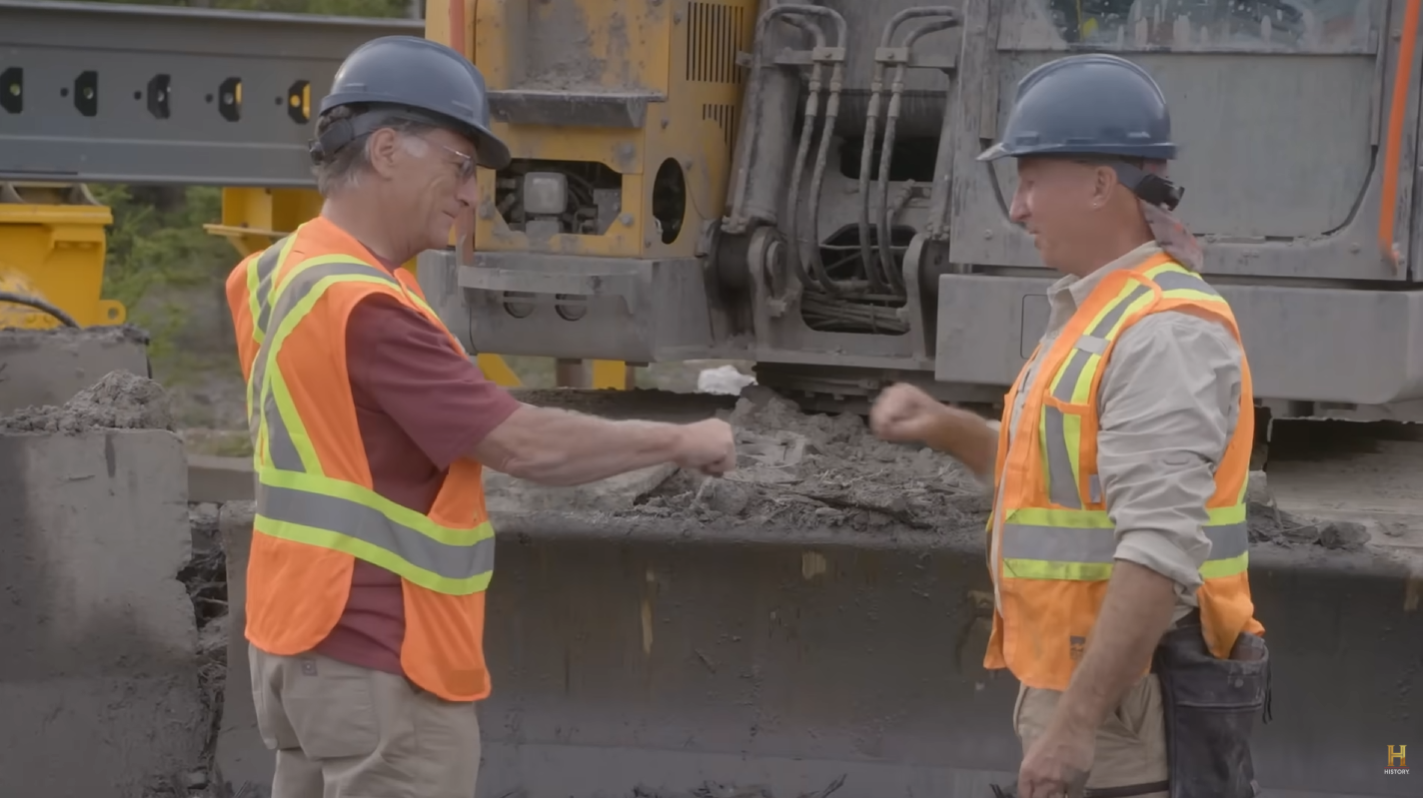
As season 13 of The Curse of Oak Island unfolds, attention has shifted decisively toward one location that has long sat on the edge of the island’s story: the Garden Shaft.
Once regarded as a hazardous but secondary experiment, the shaft has now become the most closely scrutinised site on Oak Island, following new scanning data that suggests the presence of a deliberately constructed underground feature at significant depth.
The renewed focus comes after the team, led by brothers Rick Lagina and Marty Lagina, deployed advanced ground-penetrating radar, density scanning, and three-dimensional mapping technology inside the shaft. The results prompted an uncharacteristically subdued reaction in the war room.
According to the data presented on screen, the material detected beneath the Garden Shaft exhibits a density more than seven times higher than that of surrounding ground. Experts advising the team stated that such readings are inconsistent with natural soil or fractured bedrock, instead pointing toward a man-made structure or concentrated material deliberately placed underground.

The shaft has now reached a depth of more than 92 feet, a level historically associated on Oak Island with increased instability and water pressure. Engineers involved in the operation warned that the deeper the excavation progresses, the greater the likelihood of encountering active flood tunnels—features that have previously halted or destroyed major digs elsewhere on the island.
Metallic signals detected at this depth have added further intrigue. Survey data suggests the presence of a concentrated object with an estimated mass of up to three tonnes. Specialists cautioned that while such readings do not confirm the presence of precious metal, they do indicate a substantial and coherent anomaly rather than scattered debris.
If the mass were to consist partly of gold, estimates based on current market prices place its theoretical value in the tens of millions of dollars. However, historians and engineers alike stress that the significance of the find may extend beyond monetary value. The possibility of a sealed container, structural hardware, or a constructed chamber has been raised, each scenario implying organised underground activity rather than accidental deposition.
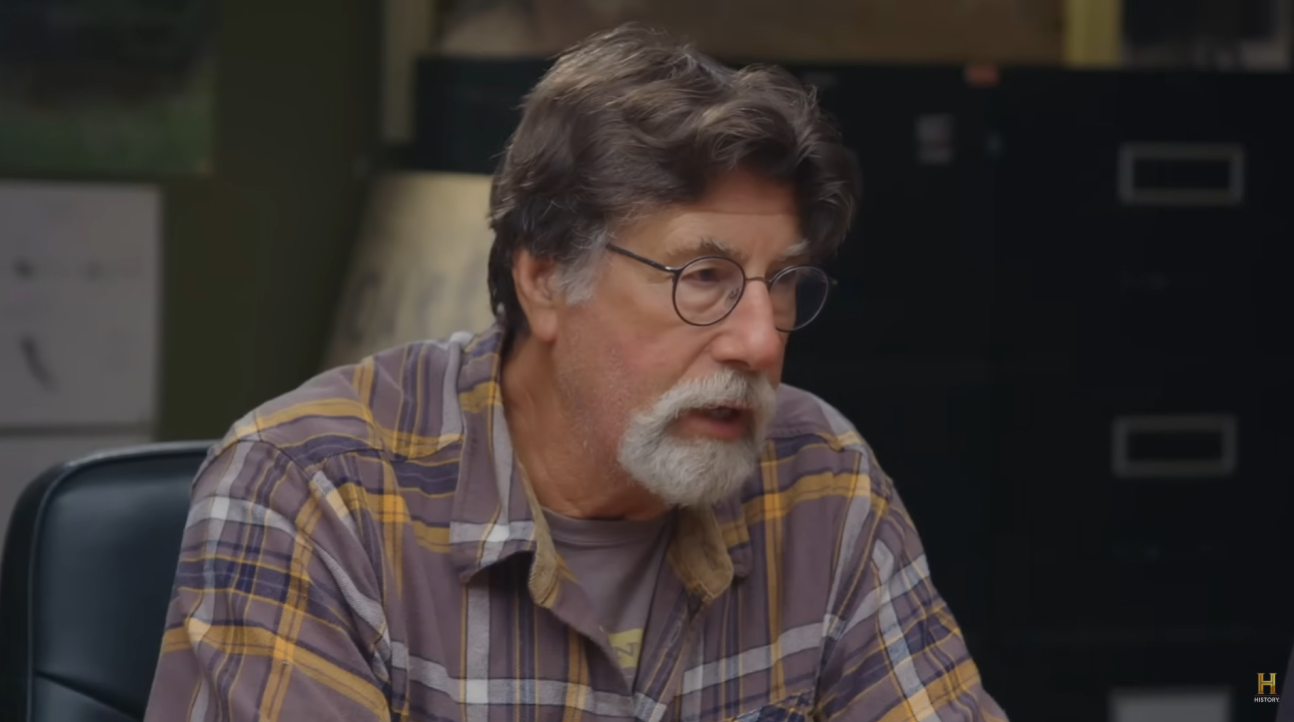
Garden Shaft is not new to the Oak Island narrative. Earlier excavations uncovered timber platforms, hand-cut wooden supports, and fragments of iron tools, some believed to date back to the early modern period or earlier. These discoveries suggested planning, reinforcement, and long-term use—characteristics rarely associated with shallow or opportunistic digging.
Traces resembling flood-control passages were also identified in the area, placing the shaft within the same category of engineered features previously documented at the Money Pit and Smith’s Cove. That overlap has prompted renewed discussion among researchers about whether these locations form parts of a single, island-wide system rather than isolated projects.
The current operation differs from past efforts in one crucial respect: excavation has been deliberately slowed in favour of non-invasive analysis. With oxygen levels declining at depth and underground gas traces being monitored continuously, safety considerations have become central to every decision. Work inside the shaft is paused whenever air quality readings fluctuate, underscoring the narrow margin within which the team is operating.

For Rick Lagina, the moment carries visible emotional weight. His on-screen silences during data reviews have been interpreted as signs of both anticipation and restraint. For Marty Lagina, the focus has remained on balancing technical feasibility, cost, and risk, as extended work at this depth represents a substantial commitment of resources.
Engineers have described the Garden Shaft as the most complex and demanding environment currently under investigation on the island. Uneven ground pressure, the potential activation of water channels, and the fragility of any buried evidence mean that a single misstep could end the operation—or erase key historical clues.
What sets the Garden Shaft apart, researchers say, is not a single reading or object, but the convergence of depth, structure, material density, and historical indicators in one place. Previous seasons produced theories and partial confirmations; the Garden Shaft, by contrast, appears to offer a point where multiple lines of evidence intersect.
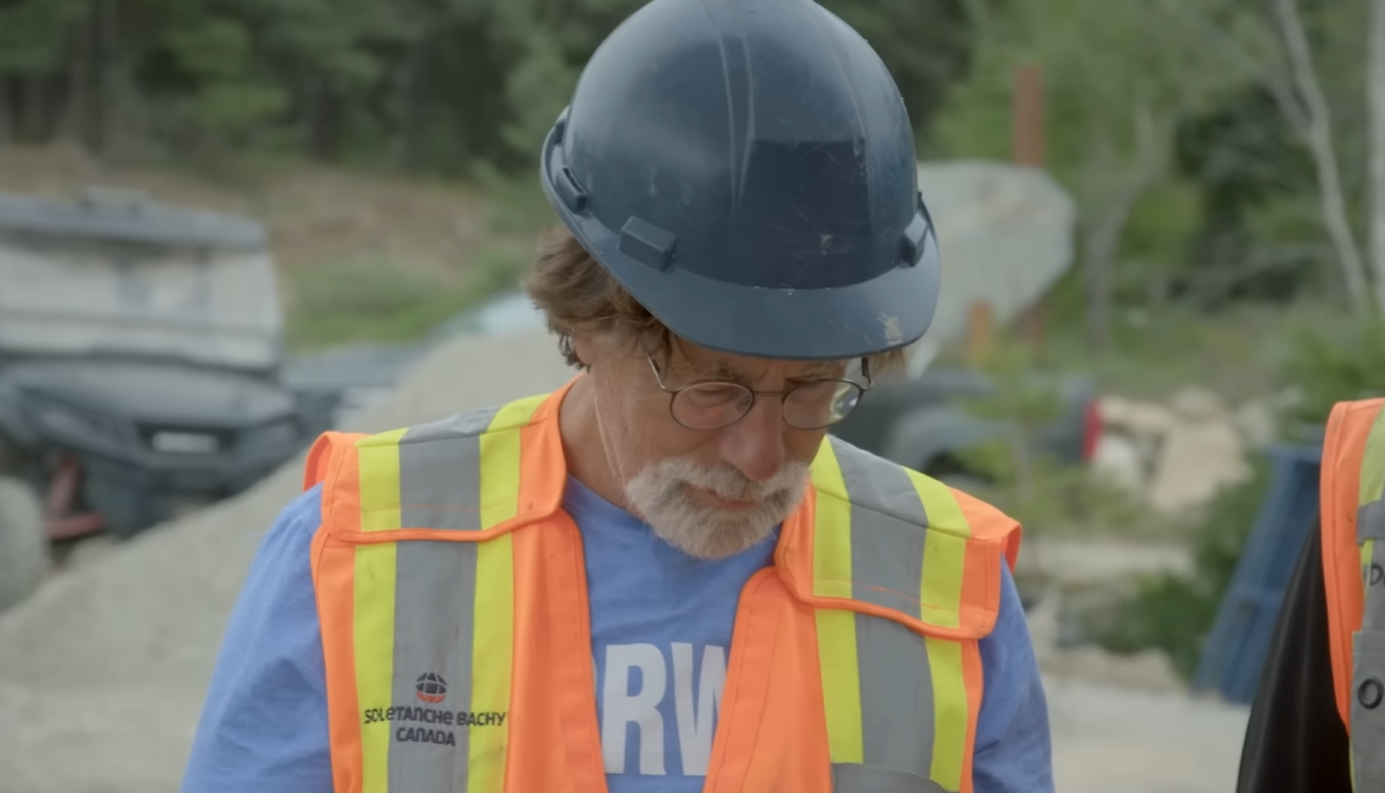
Whether the anomaly proves to be a chamber, a container, or something else entirely remains unknown. The team has stopped short of direct intrusion, opting instead to document and interpret before proceeding further.
For now, the Garden Shaft stands as a focal point where decades of speculation, engineering challenges, and modern technology meet. As season 13 progresses, the question is no longer whether something happened on Oak Island, but whether this shaft marks the place where its long-running mystery can finally be understood—or once again recede beneath the ground.
