
OAK ISLAND, N.S. — For decades, Oak Island has been shrouded in rumors of buried treasure. Now, new discoveries in the Garden Shaft are giving believers their strongest evidence yet that something valuable — and intentional — was left beneath the island centuries ago.
Golden Clues in the Water and Wood
The latest round of drilling revealed more than just dirt. Water samples drawn from the shaft tested positive for microscopic traces of gold. Soon after, core samples pulled from nearly 100 feet underground produced wooden fragments — not naturally scattered debris, but cut and shaped timbers that appear to date back centuries.
When scanned in the lab by archaeometallurgist Emma Culligan, the wood showed measurable traces of gold embedded in its surface. “Gold doesn’t just show up inside old timber unless it was exposed to it directly,” Culligan said. The results, small but consistent, have given new weight to the team’s theory that treasure may lie close by.
The Baby Blob Mystery
Drilling in a concentrated area known as the “Baby Blob” has uncovered multiple underground voids — air-filled spaces aligned east to west in a suspiciously straight line. Core samples from these voids contained more wood, stone, and soil rich with unusual clay deposits.
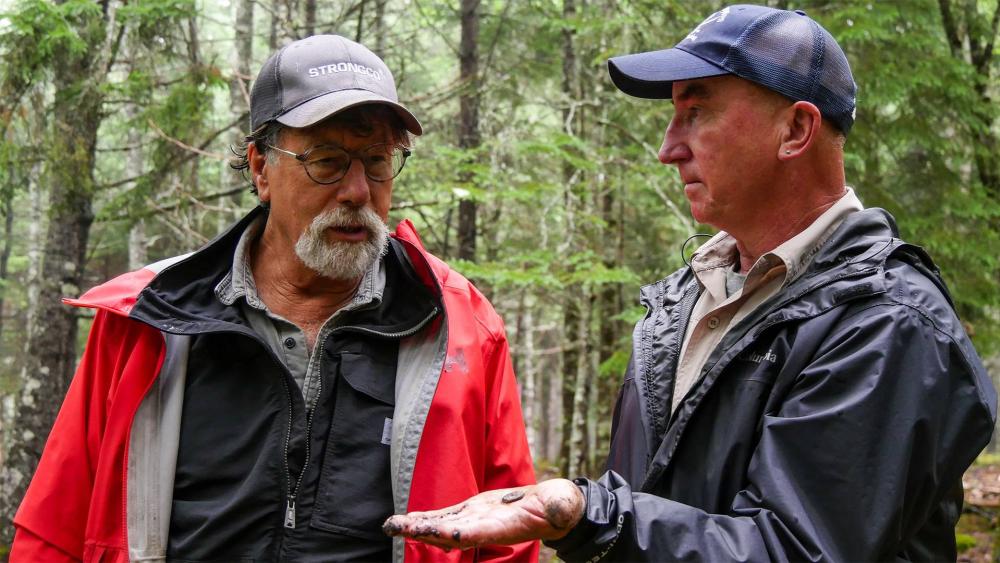
“This isn’t natural,” said geoscientist Terry Matheson. “The alignment suggests design. Someone dug this.”
Walls, Wells, and Old Roads
Meanwhile, survey work on nearby lots revealed hand-built stone walls and a well that experts believe could date as far back as the 11th century. The construction technique — large outer rocks with rubble-filled cores — closely resembles medieval building styles from Portugal and Scotland.
Researcher Peter Romkey, who first identified the structure, described it as “the kind of wall you build when you’re hiding or protecting something.”
Archaeological comparisons to stone roads in Portugal from the 1400s have only fueled speculation that early European explorers — possibly even remnants of the Knights Templar or the Portuguese Order of Christ — left their mark on the island.
A Growing Web of Evidence
Artifacts recovered this season include handmade iron spikes, a centuries-old hook, and additional timbers cut with precision. All are being tested in Culligan’s year-round laboratory, which has become central to the search.
The finds echo older discoveries: the Money Pit, stone roads, cross-shaped boulder formations, and records left by legendary surveyor Fred Nolan.
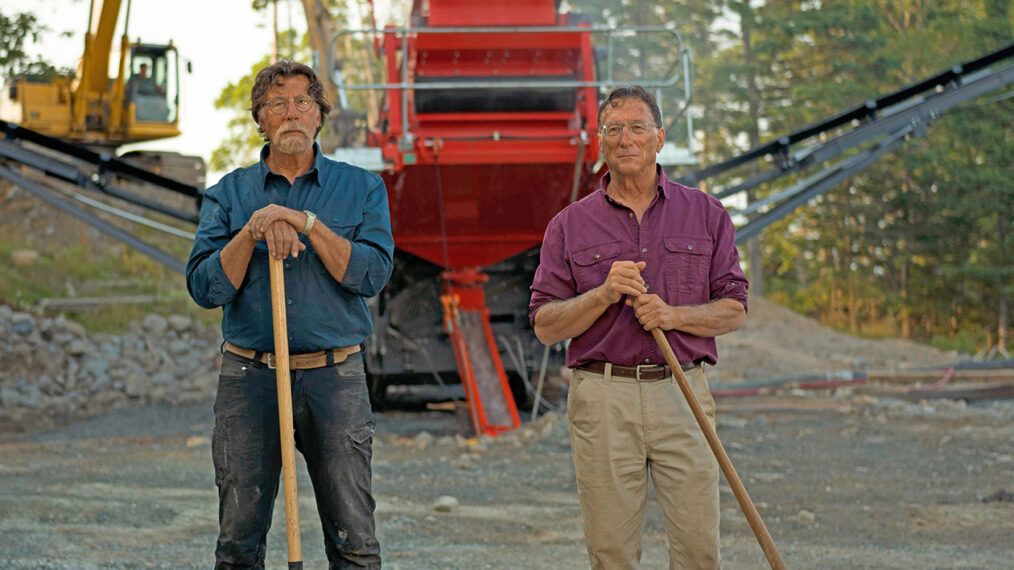
“This isn’t just folklore anymore,” said treasure hunter Rick Lagina, who has led the search for more than a decade. “The island is giving up pieces of a puzzle — and they all point to human design, purpose, and value.”
The Hunt Continues
With gold traces confirmed in multiple samples, silver detected in buried wells, and tunnels aligning beneath the Garden Shaft, the Oak Island team believes they are closer than ever to solving the 228-year-old mystery.
Skeptics remain cautious, but even long-time doubters on the team admit the weight of physical evidence is shifting the conversation.
“It’s not proof of treasure yet,” said co-owner Marty Lagina, “but it’s proof that something extraordinary happened here.”
For now, Oak Island holds onto its final secret. But with every borehole, every scan, and every splinter of gold-bearing wood, the whispers of the past grow louder.
