Stunning Finds on Lot 5
Oak Island, Nova Scotia — For more than 200 years, the small island has guarded one of history’s greatest unsolved mysteries: the legend of a massive buried treasure. Now, new discoveries on a section of land known as Lot 5 are reigniting hopes that the truth may finally be within reach.
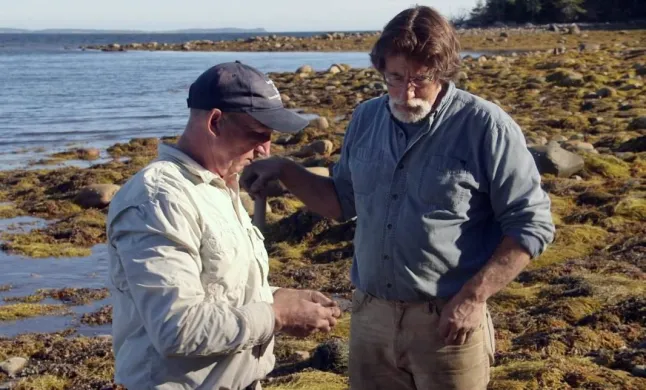
Archaeologists Jamie Kuber and Fiona Steel recently uncovered two remarkable artifacts: a gold-plated naval button and an ornate silver fragment. Both items, found near an old stone foundation close to the shoreline, appear to suggest high-status connections from centuries past.
“We were stunned,” said Kuber. “A gold-plated button with a military-style loop, and silverwork of this craftsmanship — it points to someone of real wealth or rank.”
Expert Analysis Reveals High-Status Origins
The artifacts were later analyzed by Emma Culligan, a specialist in historical metals. Her findings were eye-opening.
The button, she explained, was made of copper with about 3% real gold — a technique known as gilding — and included a rare 5% phosphorus content. This unusual composition led Culligan to believe it likely belonged to a British naval officer or gentleman in the 1700s.
The silver object, meanwhile, tested at 90% purity, officially qualifying as treasure by historical standards. Its carved slits suggested it may have been part of a tassel, sword hilt, or decorative handle. “This was not everyday silverware,” said Culligan. “It belonged to someone important.”

A Link to Sir William Phips and the Concepción Treasure?
The discoveries dovetail with a longstanding theory championed by historian Scott Clark, who believes Oak Island may have ties to Sir William Phips, a 17th-century privateer.
In 1687, Phips recovered over 30 tons of silver and gold from the wreck of the Spanish galleon Concepción. Clark argues that Phips may have conspired with Nova Scotia Freemason Andrew Belcher to secretly stash portions of this loot on Oak Island.
With the recent discovery of the button and silver artifact — both consistent with 17th–18th century elite ownership — the theory is gaining fresh traction.
The Mystery of the “Man-Made Cement”
Further fueling speculation is the discovery of an unusual cement-like material on Lot 5 — a substance also found deep near the Money Pit, the legendary site where treasure hunters first began digging in 1795.
Unlike ordinary mortar, this mysterious compound appears deliberately engineered, possibly to construct hidden chambers or seal off tunnels. Could it be the very material used to safeguard Phips’s treasure vault?
A Two-Century-Long Obsession
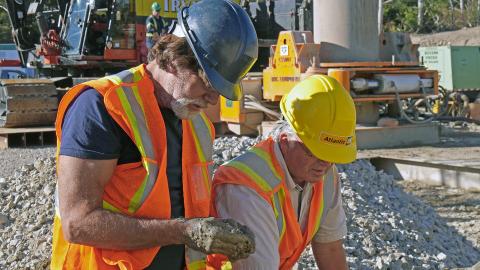
Since the late 18th century, Oak Island has lured generations of treasure hunters. From Franklin D. Roosevelt to modern-day explorers Rick and Marty Lagina, countless fortunes and lives have been poured into solving the riddle of the Money Pit.
Over the years, tantalizing clues have emerged: oak platforms, inscribed stones, non-native coconut fibers, and even ancient artifacts like a Roman sword. But definitive treasure has always remained just out of reach.
Skepticism Persists
Not everyone is convinced. Some geologists suggest the Money Pit may simply be a natural sinkhole, its odd layers formed by tar kilns or early industrial work rather than treasure concealment. Critics argue that the lack of concrete evidence after centuries of digging suggests the treasure might never have existed.
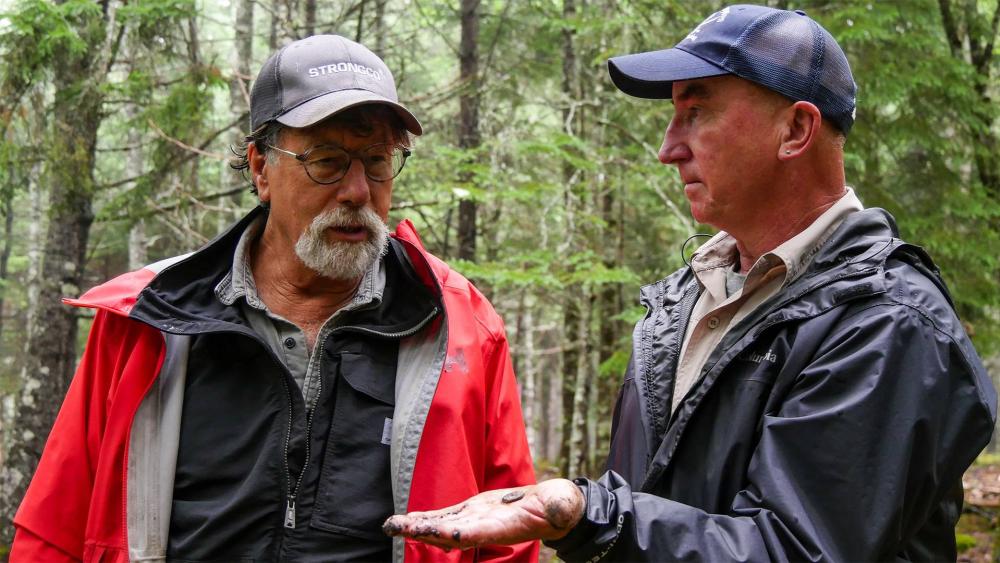
Still, the allure persists. “Skeptics have always been part of the story,” said Rick Lagina. “But every time we find something like this — gold, silver, unique materials — it pushes the mystery forward.”
What Comes Next?
The Lot 5 discoveries, combined with advanced technology and relentless determination, could mark a turning point. Whether the gold button and silver artifact are remnants of a buried fortune, evidence of Freemason rituals, or simply relics lost by wealthy visitors, their presence is undeniable proof of significant human activity centuries ago.
For now, Oak Island keeps its final secrets buried. But for treasure hunters, historians, and dreamers worldwide, the quest continues.
